
U.S. rolls back tariffs on 200 food items as price pressures mount
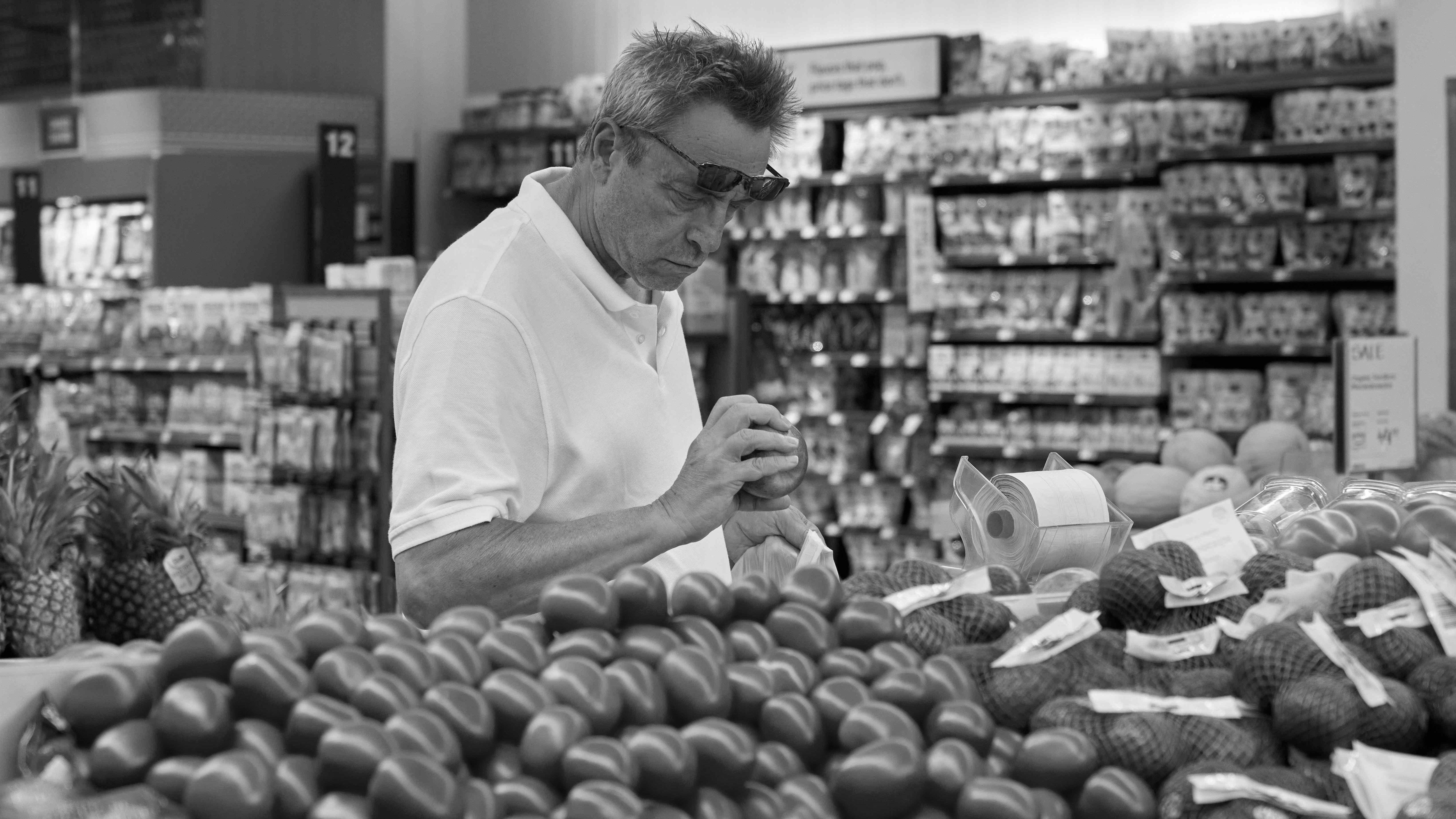
In a major reversal of earlier trade policy, tariffs on over 200 food products including coffee, beef, bananas and orange juice were rolled back by the U.S. administration at midnight on Thursday amid growing public frustration over rising grocery prices. The move was acknowledged by President Donald Trump as partly linked to price pressures, despite his continued claim that overall U.S. inflation remains low.
The rollback was widely viewed as influenced by voter unease over affordability in recent state and local elections across Virginia, New Jersey and New York City. A plan for a $2,000 tariff-funded payment to lower- and middle-income Americans was also announced, with revenues said to be intended both for these payments and debt reduction.
New framework trade agreements with Argentina, Ecuador, Guatemala and El Salvador were announced, under which tariffs on select foods will be removed once finalized. Foods experiencing sharp price increases from oranges and cocoa to spices, chemicals and fertilizers were included in the exemption list. Exemptions were granted for items not grown or processed domestically and in recognition of progress in multiple bilateral negotiations.
Beef, bananas and other staples were reported to have become significantly more expensive, with year-over-year beef prices rising by up to 17% due to cattle shortages. Several industry groups welcomed the rollback, particularly those reliant on imported inputs, although sectors such as European spirits expressed disappointment at continued tariffs.
The 10% base tariff structure imposed by the U.S. has reshaped global trade, and renewed emphasis on affordability has been placed by the administration while attributing price pressures to previous policies. Economists have warned that import duties have been contributing to high grocery costs and may add further pressure next year. Democratic lawmakers criticized the rollback as belated recognition that the tariffs had driven inflation.
The rollback is expected to open new opportunities for Indian exporters, especially in agricultural, spice, processed food and chemical sectors. With tariffs removed on items not produced in the U.S., importers are likely to diversify sourcing, giving India a major producer of spices, fruit products, cocoa derivatives and food-processing inputs a competitive advantage.
Products such as paprika, turmeric derivatives, coffee blends, mango-based goods, ready-to-eat foods and certain fertilizers are expected to gain improved price competitiveness in the U.S. Lower manufacturing costs in America may also boost demand for Indian intermediate goods. Analysts have stated that the move could strengthen Indo-U.S. trade ties and expand India’s share of the U.S. food-import market.