
US Rejects Iran’s Hormuz-First Offer, Keeps Nuclear Issue Central
Iran came to the table with what it thought was a workable offer. The United States picked it up, looked it over, and put it back down. That is the diplomatic story of Day 59, and it is not a promising one.
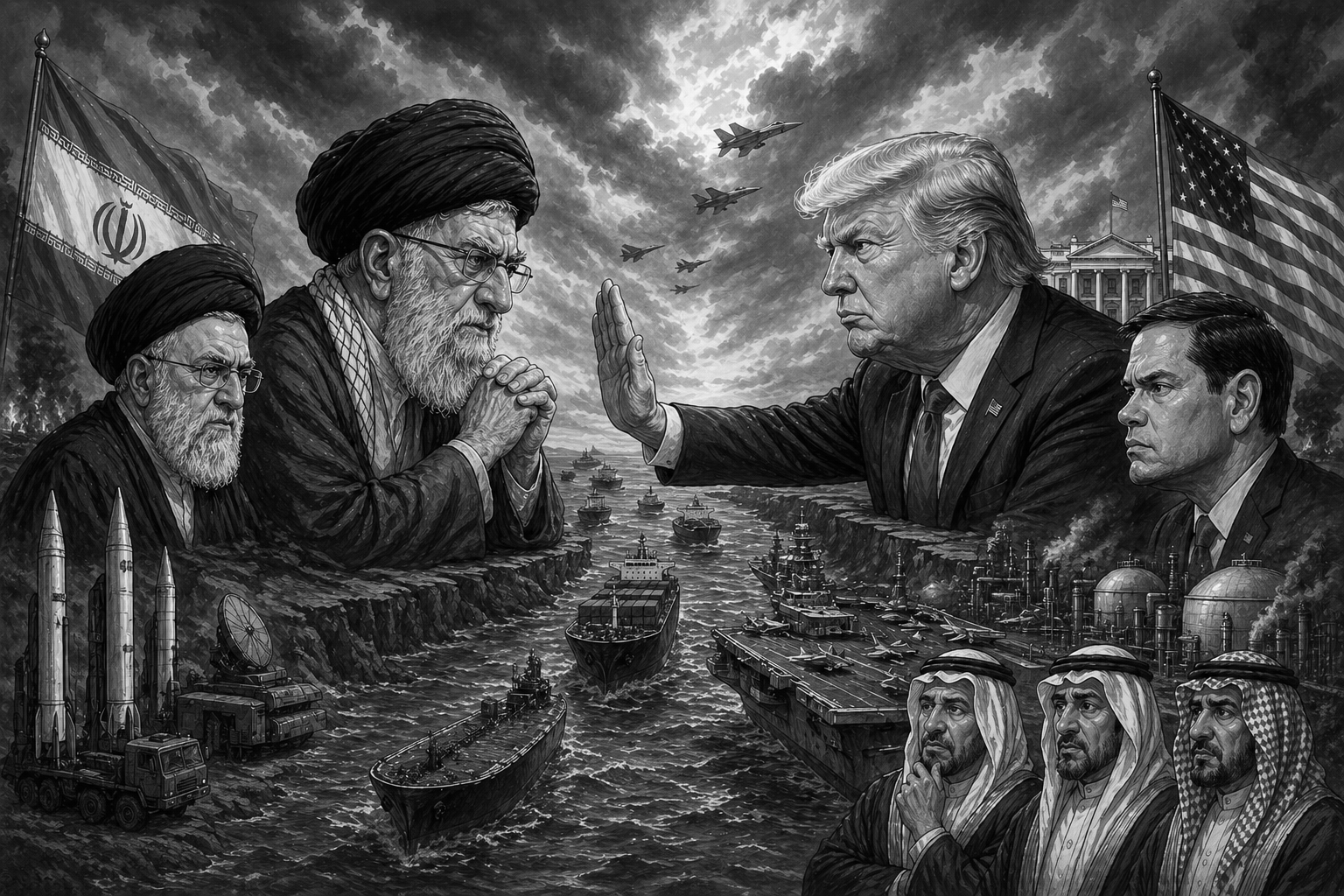
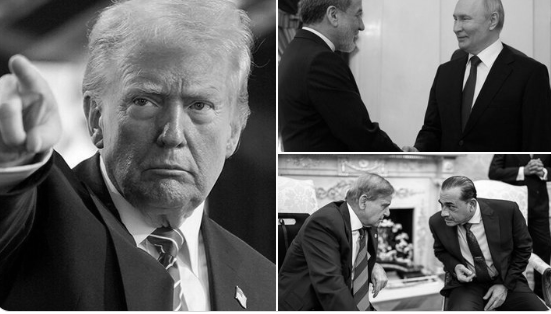
The Trump administration seemed unlikely on Tuesday to accept Iran's offer to end the war and reopen the Strait of Hormuz in exchange for the US lifting its naval blockade. The Iranian proposal, delivered to Washington through Pakistani intermediaries, contained what Tehran clearly believed was a pragmatic sequencing: end the fighting, open the Strait, and only then sit down to discuss the nuclear file. Washington's answer, delivered not through back channels but through a Fox News appearance, was essentially: no.
Secretary of State Marco Rubio did not mince words. "There's no doubt in my mind that at some point in the future if this radical clerical regime remains in charge in Iran, they will decide they want a nuclear weapon. That fundamental issue still has to be confronted. That still remains the core issue here," he said. Asked whether he believed Iran was genuinely seeking a deal, Rubio was even blunter, saying Tehran's negotiators are skilled at buying time and that Washington cannot let them get away with it. It was the kind of assessment that closes doors rather than opens them.
White House Press Secretary Karoline Leavitt confirmed that Trump met his national security team to discuss the proposal, but declined to reveal details or pre-empt the President's position, reiterating only that his red lines on Iran's nuclear programme had been "made very, very clear." Reuters, citing an official briefed on the meeting, said Trump wants the nuclear issue addressed at the very start of any negotiations, not deferred to a later stage. CNN reported that accepting the Iranian offer as structured would effectively surrender Washington's primary source of leverage before any hard conversation had even begun.
The UN, meanwhile, chose today to make the humanitarian cost of this standoff impossible to ignore. Dozens of countries called for the "urgent and unimpeded reopening" of the Strait of Hormuz, while UN Secretary-General António Guterres warned the standoff risks triggering a global food emergency. Diplomats at a Security Council meeting, requested by Bahrain with the support of countries hit by soaring fuel costs, highlighted thousands of stranded cargo vessels and tens of thousands of maritime workers trapped by the closure, with Bahrain calling the situation a violation of international law. A senior US State Department official responded to all of this by calling Iran's conduct in the Strait "illegal behaviour " that should serve as a "wake-up call for global energy security" , which is one way of describing a crisis your own blockade is actively deepening.
Iran's army spokesperson said that the country remains in a "war situation," signalling that Tehran is not yet prepared to treat this ceasefire as anything more permanent than a pause. And from the Gulf, Qatar warned at a meeting of Gulf leaders in Saudi Arabia that the Strait of Hormuz must not be used as a pressure card and cautioned against the possibility of a "frozen conflict", which may be the most accurate description yet of where things are actually heading.
The Iranian proposal, then, has landed with a thud. Tehran wanted to separate the Hormuz question from the nuclear one , solving the immediate economic crisis while buying time on the existential issue. Washington refuses to decouple them , because the nuclear file is the only reason it went to war in the first place. The de facto closure of the Strait has sent prices spiraling, with ripple effects on gasoline and consumer goods across the United States. That domestic pressure is real, and it complicates Trump's calculus. But so far, it has not changed.
Both sides remain exactly where they were, convinced the other will blink first, and unwilling to be the one who does.