
US Pushes New Economic Partnership with Pakistan in Rail and Mining sectors
The United States has stepped up efforts to build a broader economic partnership with Pakistan, with a focus on cooperation in the railway, critical minerals, and digital services sectors. Recent reports indicate that discussions on these issues were held in Washington during Pakistan Finance Minister Muhammad Aurangzeb’s visit for the IMF annual meetings in October. The talks reflect Washington’s renewed interest in expanding commercial engagement with Islamabad beyond traditional aid-based relations.
One of the key areas of discussion was the possible sale of American locomotives to Pakistan Railways. US officials reportedly encouraged Pakistan to support the purchase of locomotives that are already part of an ongoing tender process. Pakistan Railways has previously procured 55 locomotives from the United States , but persistent financial constraints have forced the railway system to rely largely on repairing and refurbishing ageing engines. Analysts note that any fresh procurement is likely to depend on export-credit financing or other structured funding mechanisms rather than direct budgetary support.
Digital connectivity also featured prominently in the talks, with the United States urging Pakistan to consider granting a licence to Starlink, the satellite internet service operated by SpaceX. American officials argued that Starlink could help bridge Pakistan’s connectivity gap, particularly in rural and remote regions where conventional broadband infrastructure remains limited. However, regulatory approvals remain a key hurdle, as Pakistan continues to develop a formal licensing framework for satellite-based internet services.
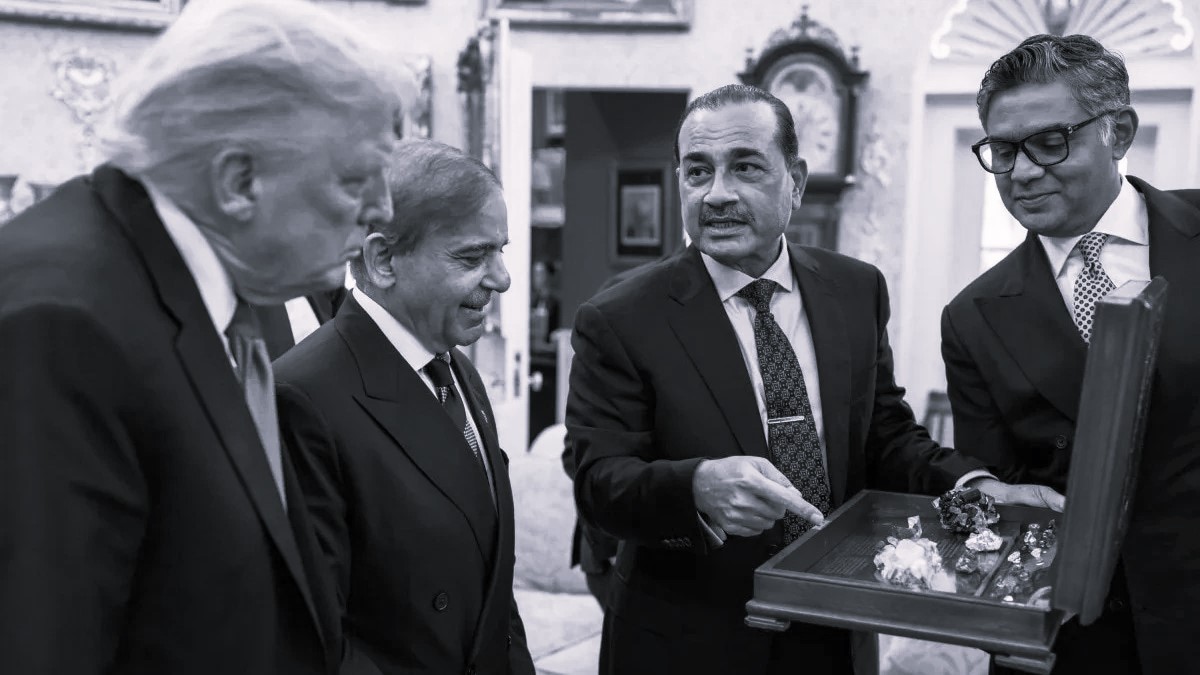
The strongest push from Washington appears to be in the critical minerals sector, which the United States now treats as strategically vital amid global competition over supply chains for energy transition and advanced technologies. Pakistan’s vast mineral resources, particularly in Balochistan, have drawn increasing US attention in this context. The Reko Diq copper-gold project has emerged as the flagship of this cooperation, with the US Export-Import Bank approving $1.25 billion in financing for the project. The mine, one of the world’s largest undeveloped copper and gold deposits, is nearing financial close, with production targeted later this decade.
US interest in Reko Diq aligns with its broader global strategy to secure access to critical minerals. The US Congress has earmarked large funds to support overseas investments linked to American supply chains, and Pakistan is now seen as a potential partner in this effort. Recent agreements and memoranda of understanding between US and Pakistani entities also point to collaboration in mineral exploration, reserve assessment, and faster development of mining projects, with an emphasis on value addition rather than raw material exports.
Trade and digital policy issues have also influenced the evolving partnership. US officials have welcomed Pakistan’s decision to withdraw a proposed 5 per cent tax on digital services, viewing it as a positive signal for foreign investors and American technology companies. This move is seen as supportive of ongoing trade discussions and efforts to create a more investment-friendly environment.
Overall, recent developments suggest a shift in US-Pakistan economic relations toward sector-specific cooperation in transport infrastructure, mining, and digital services. Analysts believe that if these initiatives translate into concrete agreements and financing arrangements, they could significantly reshape bilateral economic ties and play a role in Pakistan’s long-term growth strategy.