
US moves to reopen Venezuela embassy as Rubio warns force may be used if cooperation falters
The Trump administration has taken formal steps to restore a limited US diplomatic presence in Venezuela , notifying Congress of plans to send temporary staff to Caracas to prepare for the possible reopening of the US Embassy, closed since March 2019 . The State Department said the move marks a cautious start to re-engagement, with full normalisation still conditional.
Under the plan, US diplomats and support staff will carry out “select” diplomatic functions and operate from a temporary facility while the main embassy compound is upgraded to meet security and operational standards. Officials stressed that the deployment does not yet amount to a full resumption of diplomatic relations.The outreach comes amid heightened tensions following a US raid earlier this month that led to the capture of former president Nicolás Maduro and his transfer to the United States to face drug trafficking charges. The administration has defended the operation as a law enforcement action rather than an act of war.
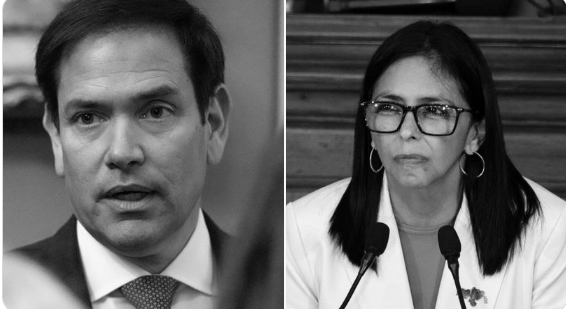
Secretary of State Marco Rubio is expected to underscore that position in testimony before the Senate Foreign Relations Committee. “ There is no war against Venezuela, and we did not occupy a country ,” Rubio says in prepared remarks, adding that “there are no US troops on the ground.” At the same time, he issues a clear warning: “ We are prepared to use force to ensure maximum cooperation if other methods fail. ”
Rubio is set to defend President Donald Trump’s broader Venezuela strategy, including continued strikes on boats suspected of drug smuggling and the seizure of sanctioned tankers carrying Venezuelan oil . He rejects accusations that the administration is violating the Constitution, insisting the president is acting within his authority.Congress has so far declined to rein in the administration. While Democrats have criticised Trump’s actions as executive overreach, a House War Powers Act resolution directing the president to withdraw US forces from Venezuela was narrowly defeated , with the administration maintaining that no American troops are deployed inside the country.
Legal pressure is also emerging. Families of foreign nationals killed in US boat strikes have filed wrongful death lawsuits , as rights groups report that dozens of such strikes since September have killed more than 120 people.
Despite the pressure campaign, Washington is engaging diplomatically with Venezuela’s acting president, Delcy Rodríguez. Rubio’s testimony suggests she has little room to resist US demands. “ Rodríguez is well aware of the fate of Maduro, ” he says, arguing that her self-interest aligns with US objectives.
Those objectives include opening Venezuela’s energy sector to US companies , ending subsidised oil exports to Cuba , and directing oil revenues toward the purchase of American goods . Rodríguez has said her government and the Trump administration have established “respectful and courteous channels of communication” and are working toward a shared agenda.
In a move welcomed by Washington, Rodríguez’s government has overseen the release of hundreds of political prisoners jailed under Maduro and his predecessor Hugo Chávez . A Venezuelan human rights group said 266 detainees have been freed since early January , a step Trump praised as a humanitarian gesture.The planned return of US diplomats to Caracas is seen as a key step toward restoring diplomatic ties , though full normalisation would require Washington to reverse its recognition of the Venezuelan parliament elected in 2015 as the country’s legitimate authority. Rubio is also scheduled to meet opposition leader María Corina Machado , highlighting continued US involvement in Venezuela’s political future.
Together, the developments reflect a dual-track US strategy , combining cautious diplomatic re-engagement with explicit warnings that military and economic pressure remain firmly on the table .