
US may ease Russian oil sanctions for Hungary
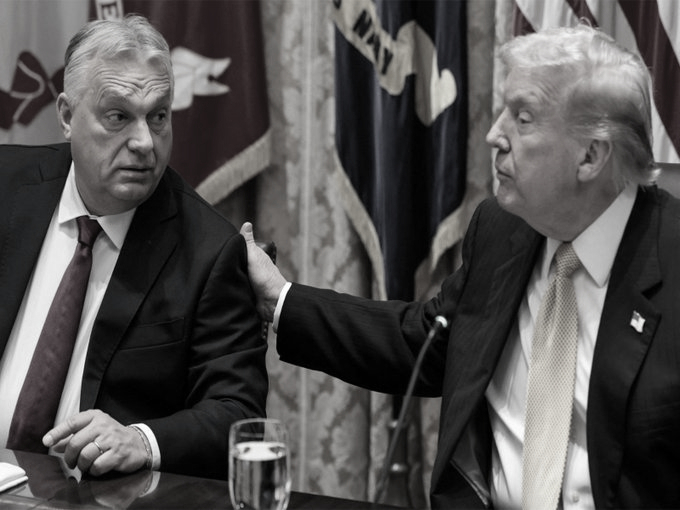
US President Donald Trump said Friday that he is considering granting Hungary an exemption from sanctions on Russian oil, a move that could stabilize the landlocked nation’s energy supply and boost Prime Minister Viktor Orban’s domestic standing. Speaking at a joint meeting, Trump highlighted Hungary’s unique challenges: “They don’t have the advantage of having seas. They don’t have the ports. And so they have a difficult problem.”
The request is politically significant for Orban, whose popularity has been declining in recent years amid rising opposition support, economic pressures, and voter dissatisfaction. Polls show Fidesz’s margins shrinking, particularly among urban and younger voters, making a high-profile success in securing energy supplies a potential boost to his credibility at home.
Beyond energy, Hungary has sought to play a mediating role in the Russia-Ukraine conflict, calling for negotiations and dialogue to reduce human and economic costs. While Orban’s perceived closeness to Russia has limited his credibility with Kyiv and other EU partners, the ongoing discussions with Trump reinforce Hungary’s positioning as a pragmatic intermediary in the conflict.
Hungary exported approximately US $6.92 billion worth of goods to the United States in 2024, accounting for roughly 3.6% of Hungary’s total exports. While relatively small compared to major EU partners like Germany (~25%) and Romania (~5.5%), the US remains a strategically important market for high-value goods such as vehicles, machinery, and electronics. The trade relationship underscores why US-Hungary energy discussions carry not just political, but also economic significance.
The talks in Washington come amid speculation about a possible summit between Trump and Russian President Vladimir Putin in Budapest, initially announced in October but later put on hold. Trump had said the meeting could take place “within two weeks or so,” while the Kremlin stated no official date had been set. This backdrop underscores the high-stakes nature of US-Hungary discussions, as any exemptions or agreements on Russian oil could intersect with broader US-Russia negotiations.
During the Washington meeting, Trump and Orban also discussed the Russia-Ukraine war. Trump suggested the conflict “will end soon,” noting its toll on Russia, while both leaders agreed it would take a “miracle” for Ukraine to achieve victory. Both exchanged praise, with Trump lauding Orban’s strict immigration policies and Orban thanking Trump for “restoring” US-Hungary relations after what he described as setbacks under the Biden administration.
Europe has sanctioned state-owned Rosneft, sparing privately held Lukoil, while Ukraine welcomed US sanctions and urged other nations to join. Russia has responded with nuclear rhetoric and military drills, highlighting the complex balance Hungary must navigate between national energy needs, EU obligations, and relations with Moscow.
The White House has not specified when a final decision on Hungary’s exemption request will be made. For Orban, the outcome represents more than energy security, it is a chance to regain political momentum at home, reinforce Hungary’s diplomatic profile, and demonstrate influence amid a challenging international and domestic environment.