
US-Iran War Escalates as Houthi Strikes on Saudi Tankers Push Oil Prices Above $100
The United States carried out its 13th consecutive night of strikes on Iran early Friday as the region's shipping war escalated further, with Yemen's Houthi rebels claiming their first attack on commercial vessels in months and pushing global oil prices past $100 a barrel for the first time since May.
US Central Command said the latest wave of strikes, concluded shortly before 5 a.m. local time, was aimed at weakening Iran's ability to threaten commercial and civilian ships passing through the Strait of Hormuz, where Washington is trying to restore normal traffic after months of disruption. Iranian state media reported explosions near Qeshm and Bandar Abbas, wounding two people, along with strikes further inland near Andimeshk, Omidiyeh and Firuzabad.
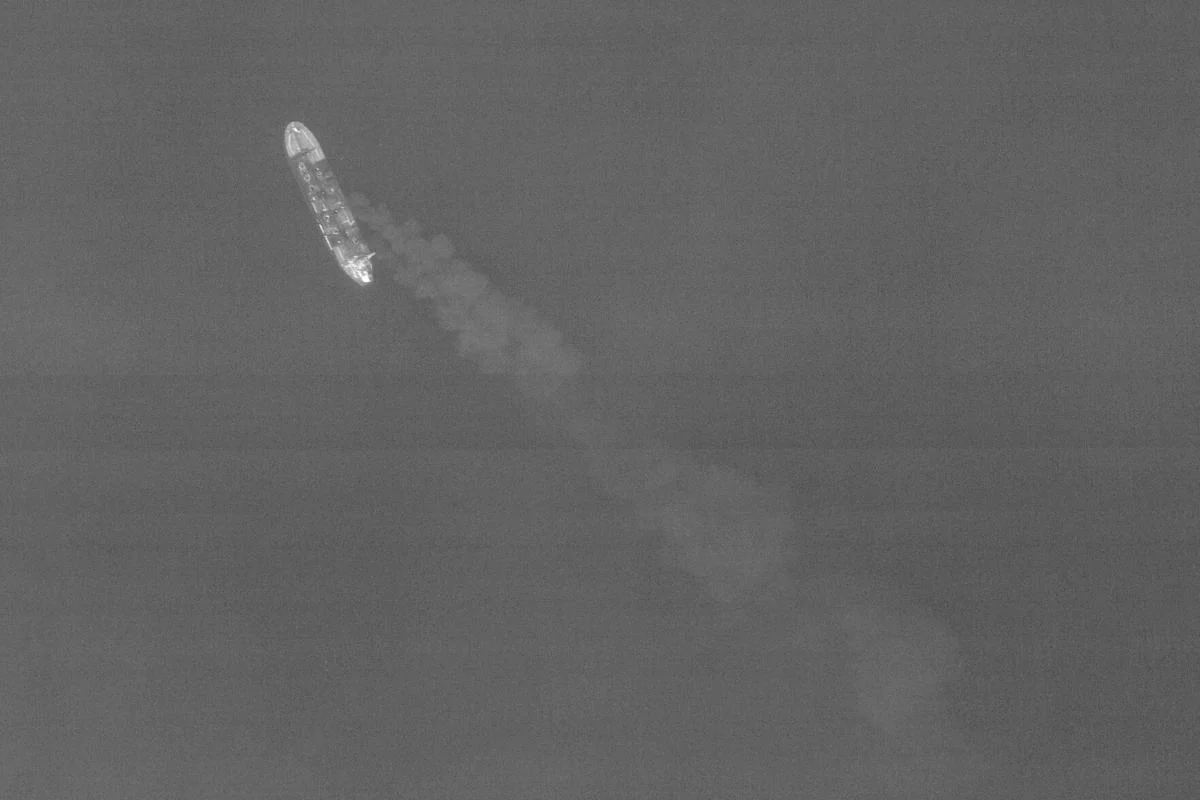
The Houthis said they struck two Saudi oil tankers, the Encelia and Layla, in the Red Sea, setting both ablaze in what they described as enforcement of a blockade declared against Saudi Arabia earlier in the week. The Saudi Press Agency confirmed a fire aboard the Encelia and said the crew was safe. Britain's maritime trade watchdog separately reported a tanker hit by an unidentified projectile off Al Shuqaiq. Analysts at Lloyd's List Intelligence called the twin threats to Hormuz and the Bab el-Mandeb Strait a "double whammy" for oil shipments, particularly the route Saudi Arabia has relied on to reroute crude by pipeline to its Red Sea port at Yanbu.
President Donald Trump warned of "major military punishment" against Iran if Houthi attacks continue, calling the group a proxy of Tehran. Secretary of State Marco Rubio said the price Iran pays "will continue to get higher every single night." Iranian Foreign Minister Abbas Araghchi has vowed an "eye for an eye" response to US strikes on Iranian infrastructure.
Iraq's prime minister traveled to Tehran to urge dialogue, while UN Secretary-General António Guterres warned the region was being pulled into an "ever-widening circle of confrontation," urging stronger mediation efforts by Pakistan.
Iran's health ministry said at least 55 people have died and 629 have been wounded since US strikes resumed on June 27. The broader conflict, which began in late February, has killed several thousand people across Iran, Lebanon, Israel, Iraq and Gulf states, according to independent trackers. A US House resolution calling for an end to the war passed narrowly on Thursday but remains largely symbolic.