
US Iran War: Could Kuwait Become The Next Frontline As Fronts Multiply?
The war between the United States and Iran has entered its most volatile stretch yet, with American forces completing a ninth consecutive night of airstrikes and preparing for a tenth as Tehran widens its retaliation across the Gulf. Washington maintains that the campaign is meant to weaken Iran's military capacity and safeguard the Strait of Hormuz, through which nearly a fifth of global oil supply moves, but the endgame remains undefined as both sides dig in for a longer fight.
American strikes have hit Iranian command centres, air defence systems, coastal surveillance posts and missile launch sites. One attack reportedly struck the under construction Daqvin nuclear power plant in Khuzestan province, which Tehran called an assault on civilian infrastructure. The International Atomic Energy Agency confirmed no nuclear material was present at the site, though further strikes near Bushehr, home to Iran's only operational civilian reactor, have deepened international unease about the conflict's expanding scope.
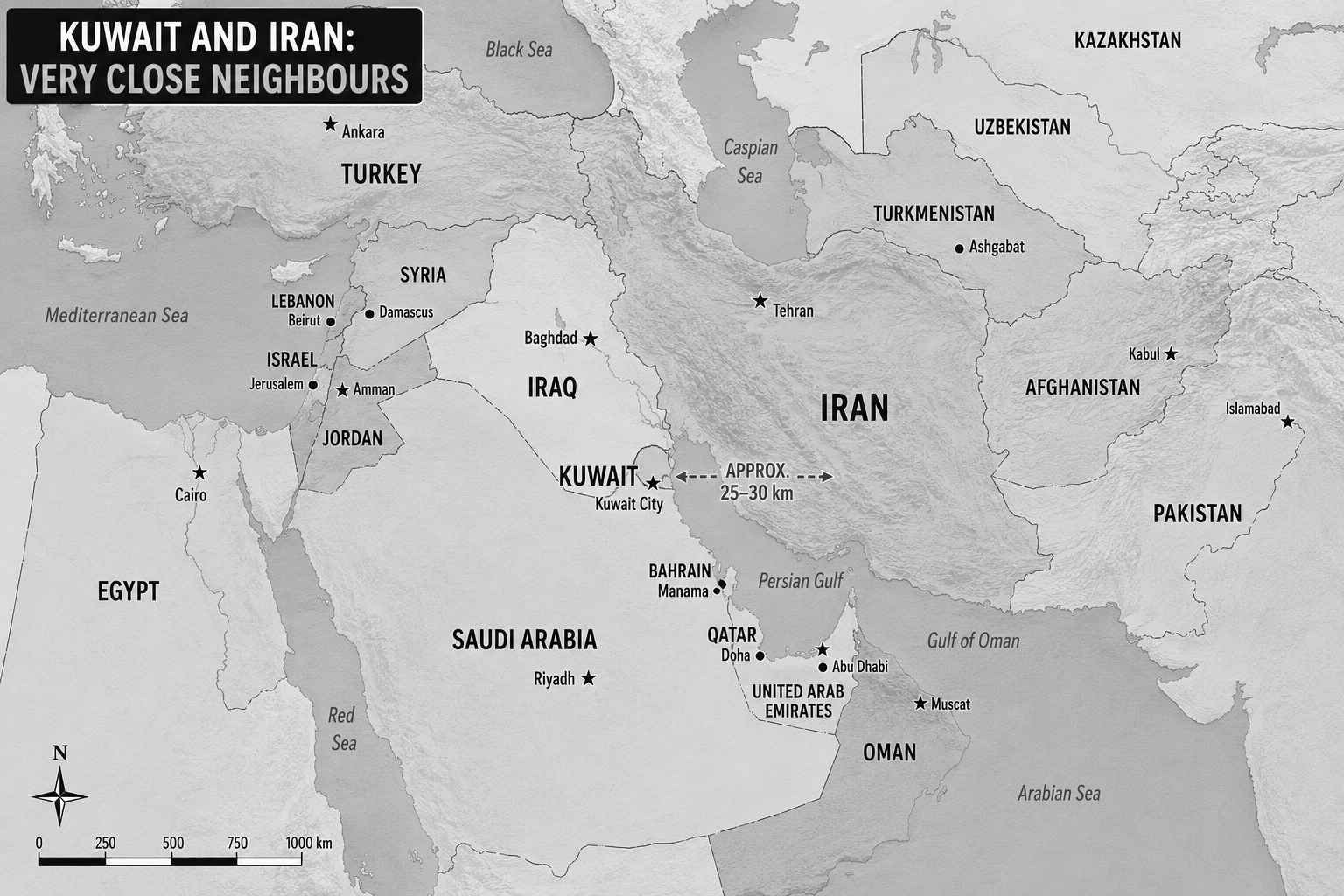
Iran responded with drone and missile attacks on Kuwait, Bahrain and Jordan, prompting the US Embassy in Bahrain to urge American citizens to remain alert. In a fresh development, Yemen's Houthi rebels announced a maritime blockade against Saudi Arabia after an exchange of fire between the two sides, adding another flashpoint to an already crowded battlefield.
The human cost for US forces continues to grow. American officials have confirmed the deaths of three service members, including two soldiers killed in Jordan while defending against Iranian missile fire, with unidentified remains found at the same site raising fears the toll could rise further. A separate fatality was reported in Iraq. The Pentagon has identified the soldiers killed in Jordan as hailing from Texas and Hawaii, underscoring the human dimension behind the mounting casualty figures.
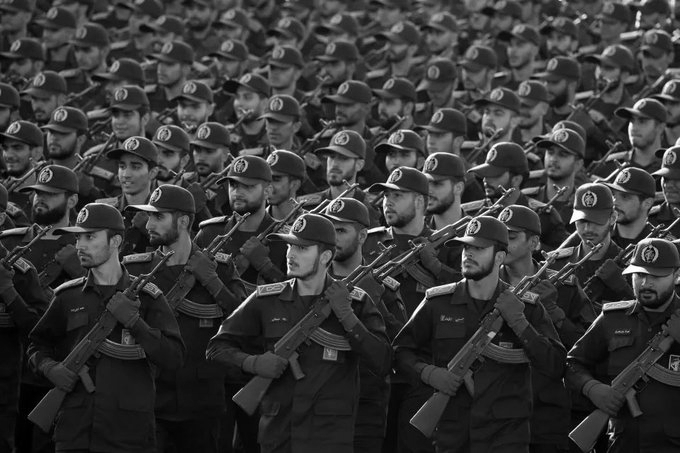
Despite sustained bombing, Tehran insists its capabilities remain intact, crediting a strategy of burying missile stockpiles underground and shifting from mass barrages to fewer but far more advanced weapons. Central to this shift are Maneuverable Reentry Vehicles, warheads capable of altering trajectory during the terminal phase of flight to evade interception. The Revolutionary Guard has reportedly built this technology into the Fattah-1, often described as Iran's hypersonic missile, and the Kheibar Shekan, which uses aerodynamic controls to manoeuvre during descent. Pentagon officials say these missiles are increasingly paired with drone swarms designed to overwhelm American air defence networks, a tactic that has already caused casualties and damage at facilities including Al Asad Air Base.
American intelligence agencies have alleged, without independent public confirmation, that Russia and China are providing Iran with satellite imagery and troop movement data, improving the precision of Tehran's strikes. Washington has also reimposed its naval blockade of Iranian ports this week, pushing some shipping toward unapproved routes along the Omani coastline as traffic through the Strait of Hormuz continues to decline.
Concerns are also mounting over the conflict's potential to widen further. An Iranian academic has publicly floated the idea of a ground incursion into Kuwait should the United States pursue a land invasion, including the seizure of American installations such as Camp Arifjan and the possible taking of US hostages, a scenario analysts have compared to the 1979 embassy hostage crisis. There is no confirmation Iran has adopted such a plan, but the mere suggestion illustrates how easily the war could spread beyond its current boundaries.
Even so, Iranian officials insist diplomatic channels remain open, with mediators reportedly presenting fresh proposals in recent days despite continued fighting. Pakistan and Qatar, which helped broker earlier talks in Switzerland, have kept a low profile since the latest escalation. As the war stretches past twenty one weeks, Washington faces a mounting question with no easy answer: whether air power alone can force Tehran to yield, or whether the region is instead sliding toward a far broader and more unpredictable confrontation.