
US-Iran Talks Stall As Red Sea Attacks Raise Fresh Shipping Fears
Efforts to revive the US Iran interim deal have stalled, with Tehran saying there are no talks on extending the current ceasefire. A senior Iranian source told Reuters that Washington must first return to the June agreement and set a clear timeline to meet its commitments. The source said there had been “absolutely no progress” in discussions. Iran also rejected reports that both sides were discussing a ceasefire extension, saying there was “nothing to extend.”
The June deal was meant to end military operations and create a path for wider talks, including negotiations over Iran’s nuclear programme. Tehran says the US violated the agreement within 48 hours and later withdrew from it.
The dispute is closely linked to the Strait of Hormuz. Iran has kept the waterway closed and says it will not reopen it until Washington meets its conditions. US President Donald Trump, however, says the opposite. Trump said the US has “total control” of Hormuz and added, “I think we will keep it.” He has also described the US naval blockade as a “wall of steel” and said Iran has “no money.”
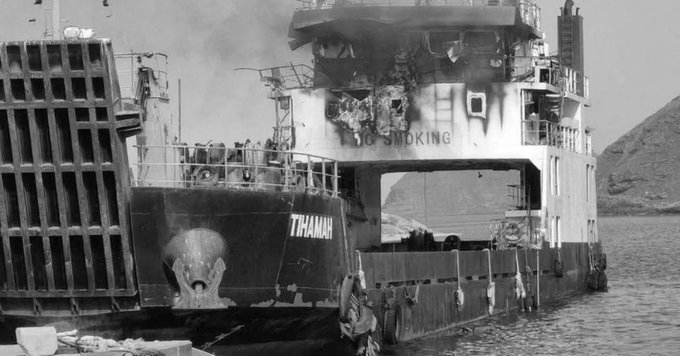
The impact on shipping is already severe. Only eight vessels were tracked through Hormuz on Tuesday. While the Hormuz crisis continues, another major shipping route is facing fresh danger. On August 11, Iran aligned Houthi forces attacked the Tihamah, a commercial cargo vessel near Yemen’s Bab el Mandeb Strait. The vessel was struck and caught fire. Four crew members were killed in the first attack, including three Pakistanis and one Indonesian. Two Yemeni rescuers were later killed in another strike, while 10 people were injured.
The Houthis said the vessel was carrying Saudi military equipment and targeted it as part of their campaign against Saudi Arabia. The claim has not been independently verified. The attack came after the group announced a maritime blockade targeting Saudi Arabia.
The Bab el Mandeb connects the Red Sea with the Gulf of Aden and is a key route for ships travelling between Asia, Africa and Europe. Avoiding the waterway can mean longer journeys around Africa, higher fuel costs, increased insurance premiums and delays to cargo.
The crisis escalated further in the Gulf of Oman, where US forces fired two Hellfire missiles at the Panama flagged container ship Vela Nova. US Central Command said the vessel ignored warnings and was attempting to reach an Iranian port in violation of the US blockade. The missiles struck the engine room and disabled the ship. Its 17 crew members survived.