
US, Iran No Closer to Ending War as Tehran’s Response Is Awaited
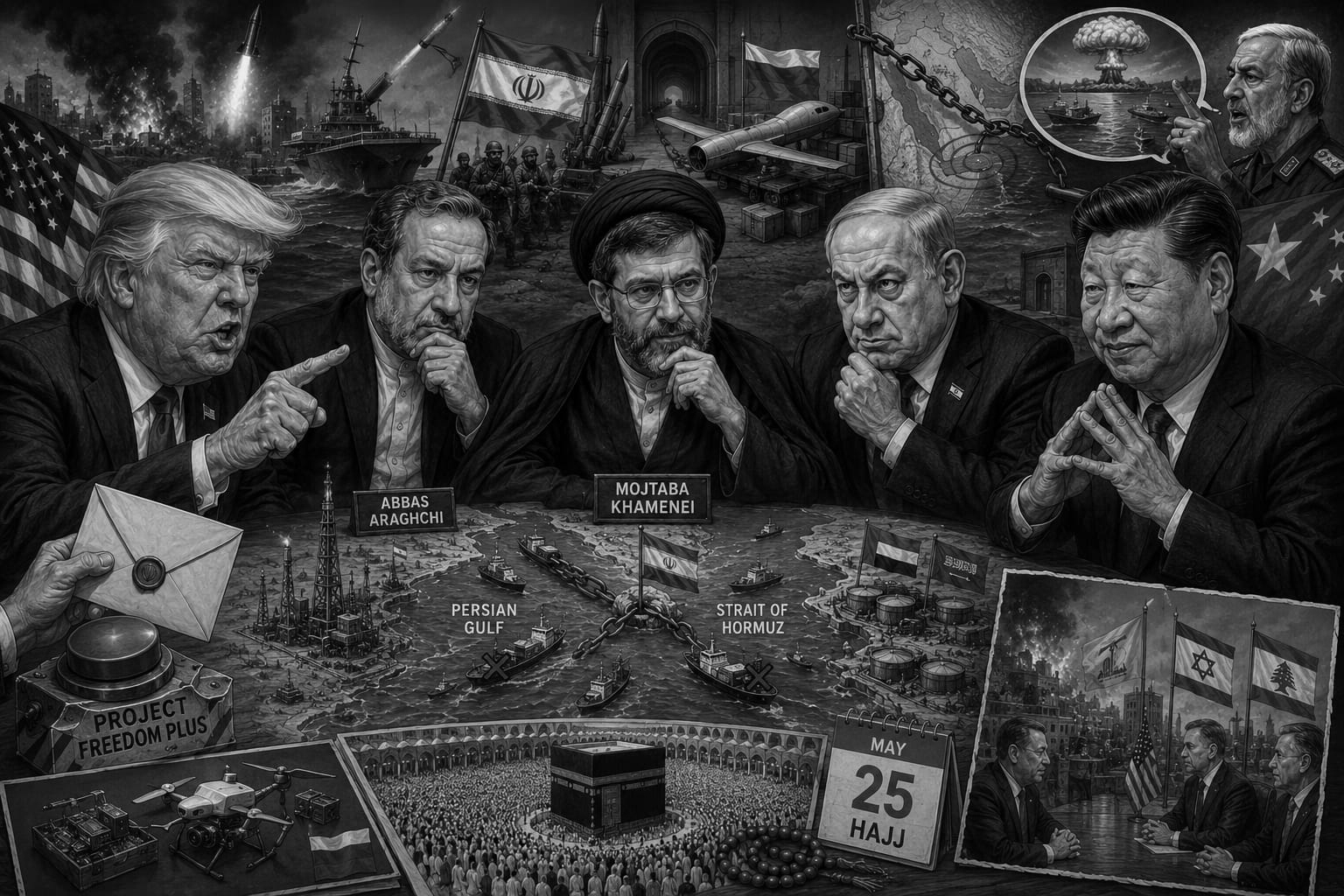
Trump warned of "Project Freedom Plus." Speaking to reporters before departing the White House on Friday evening, Trump made clear that if Iran does not finalise the proposed peace framework, the US would revive and significantly expand Project Freedom. "We may go back to Project Freedom if things don't happen, but it'll be Project Freedom Plus , meaning Project Freedom plus other things," he said, declining to elaborate on what the additional measures would entail.
What is driving Trump's impatience is Tehran's continued silence on the proposed one-page Memorandum of Understanding meant to end the war. "I'm getting a letter supposedly tonight, so we'll see how that goes," Trump told reporters, underlining that Washington was still waiting for Iran's formal response. Iran has confirmed only that the proposal remains "under review." A senior Iranian official confirmed Tehran envisions ending the war and resolving the shipping standoff first, with nuclear talks pushed to a later phase, a sequencing that sits directly at odds with Washington's core demand for nuclear commitments upfront.
Iran is now pushing for an entirely new mechanism to govern the Strait of Hormuz after the conflict, seeking formal control over the waterway rather than a simple return to the pre-war status quo, a demand the UAE and Saudi Arabia have flatly rejected.
On the water, the blockade is tightening. CENTCOM confirmed it has now turned around 58 commercial vessels attempting to transit to or from Iranian ports. An adviser to Iran's supreme leader chose pointed words to describe Tehran's leverage, comparing control over the Strait to possessing "an atomic bomb" and vowing Iran would not relinquish it. Behind the scenes, a New York Times report revealed that Russia is shipping drone components to Iran via the Caspian Sea , helping Tehran rapidly rebuild its UAV arsenal after losing an estimated 60 percent of its drones during recent fighting, a backdoor arms pipeline the US naval blockade cannot reach.
On the diplomatic front, all eyes are now turning to Beijing . Trump's summit with Xi Jinping on May 14-15 is expected to place Iran front and centre. China pressed Iran during Araghchi's recent Beijing visit to pursue a diplomatic resolution and refrain from resuming hostilities, though that call to reopen Hormuz was notably absent from Iran's own readout of the meeting, revealing how carefully Beijing is managing its messaging to both sides. Adding quiet urgency to all of this, the Hajj pilgrimage begins around May 25, with 1.8 million Muslims including Iranian pilgrims expected in Mecca, meaning any escalation in the coming days would carry severe political costs for every party at the table.
In Lebanon, the situation has deteriorated sharply. The IDF struck over 85 Hezbollah sites in 24 hours , including an underground weapons production facility in the Beqaa Valley, in response to rockets fired at Israeli forces in southern Lebanon. Lebanon condemned the strikes as "barbaric," and Hezbollah politician Hassan Fadlallah warned of "a new phase in which the resistance will not accept a return to pre-March 2." Hezbollah fired rockets toward northern Israel in retaliation; the Israeli military said one was intercepted while the rest fell in open areas. Israeli and Lebanese representatives are nonetheless expected to meet in Washington next week for a third round of direct talks. Iran has insisted no deal with Washington moves forward unless a ceasefire also holds in Lebanon.
The letter Trump was expecting tonight may be the last diplomatic off-ramp before something far worse is put in motion.