
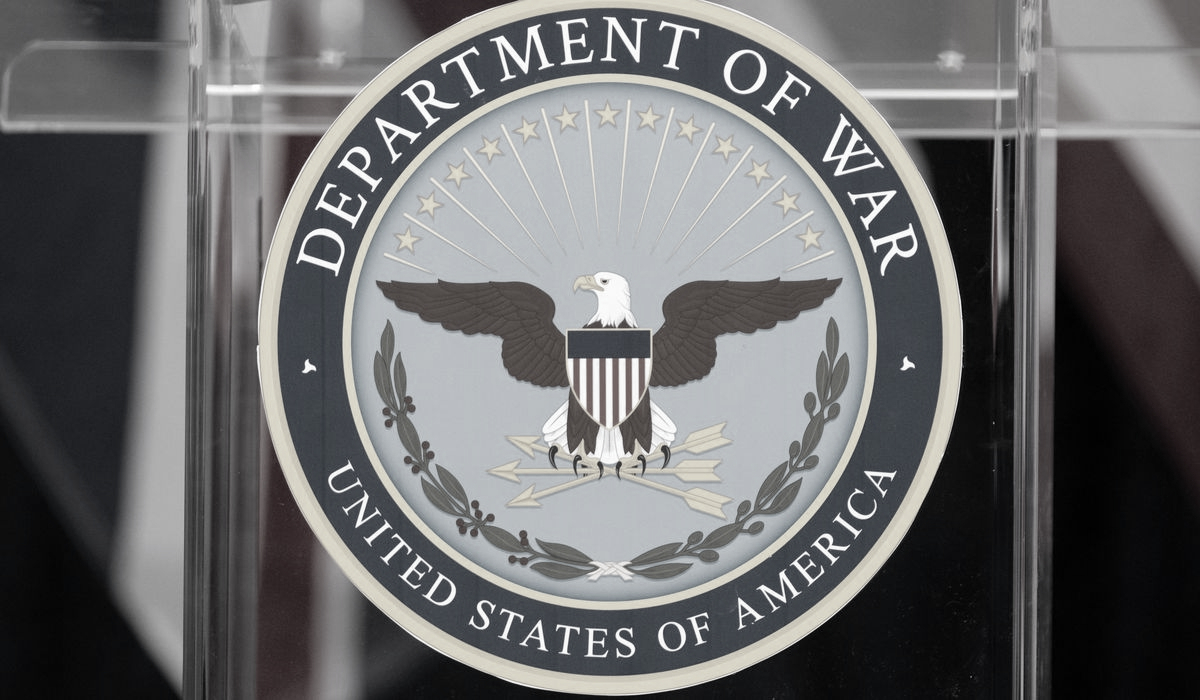
US House passes defence bill to raise troop pay, overhaul weapons purchases
The U.S. House of Representatives on Wednesday approved a sweeping USD 900-billion defence policy bill , authorising major military programmes, a pay hike for troops and significant reforms in how the Pentagon buys weapons, even as tensions persist between Congress and President Donald Trump’s administration over defence management.
The annual National Defense Authorization Act, which usually passes with bipartisan support, received backing from both parties and has already drawn “strong support” from the White House for aligning with Trump’s national security priorities. Yet the 3,000-page legislation includes several provisions that increase congressional oversight of the Pentagon, such as a demand for unedited videos of U.S. boat strikes near Venezuela and reviews of the orders behind them.
The bill authorises a 3.8% pay raise for service members, upgrades to military housing and facilities, and what lawmakers describe as the most ambitious overhaul of weapons procurement in years. Defence Secretary Pete Hegseth has made faster acquisition a central goal, and senior Democrat Adam Smith called the reforms “the most ambitious swing at acquisition reform that we’ve taken.”
Lawmakers also moved to strengthen U.S. commitments overseas amid concerns about Trump’s future foreign-policy direction. The bill requires the Pentagon to maintain at least 76,000 troops in Europe unless NATO is consulted before any reductions, and authorises USD 400 million annually for the next two years to produce weapons for Ukraine. It also keeps the long-standing requirement to station 28,500 U.S. troops in South Korea.
In line with Trump-aligned priorities, the measure cuts USD 1.6 billion in climate-related defence spending and eliminates numerous diversity, equity and inclusion programmes, including the Pentagon’s chief diversity officer role.
A major symbolic step in the bill is the repeal of the 2002 Iraq War authorisation, formally ending the authority for the U.S. invasion and aiming to prevent future misuse of war powers. The bill also permanently lifts U.S. sanctions on Syria imposed in 2019, with supporters arguing that reconstruction cannot begin while companies fear the penalties could return.
Democrats, however, sharply criticised the removal of a provision that would have expanded in vitro fertilisation (IVF) coverage for active-duty personnel, calling it a setback for military families facing infertility.
The legislation now moves to the Senate, where lawmakers are racing to approve it before the holiday recess, despite bipartisan complaints that it does too little to restrict military flights over Washington.