
US Envoys Meet Putin In Moscow, European Leaders Unite Over Ukraine’s Security
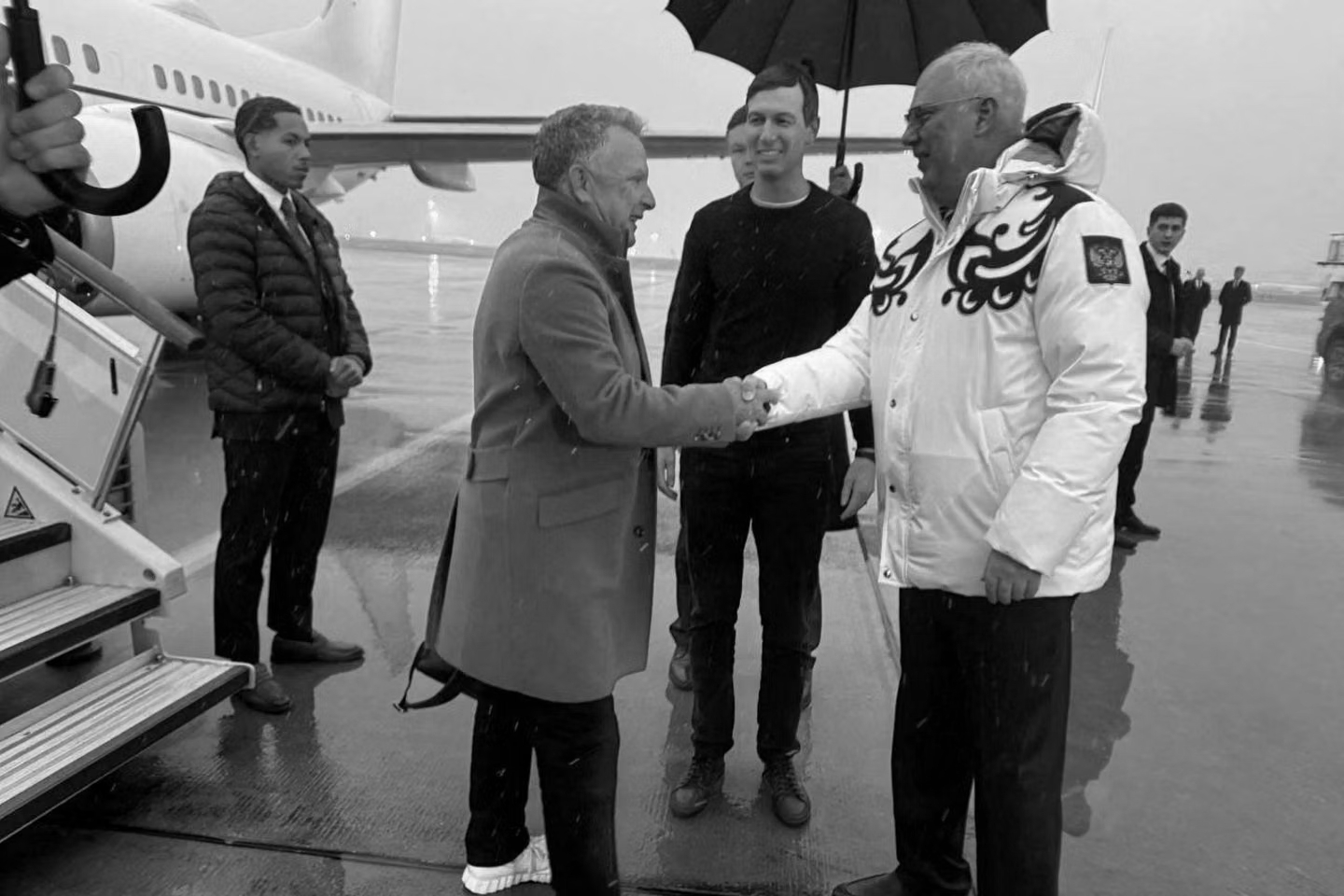
European leaders are gathering in Dublin, Ireland, on Thursday to discuss Ukraine's security and Europe's future as US President Donald Trump moves ahead with efforts to negotiate with Russian President Vladimir Putin. The meeting comes as US envoys Steve Witkoff and Jared Kushner hold talks with Putin in Moscow, without European or Ukrainian representatives at the table.
The gathering under the European Political Community (EPC) framework gives Ukrainian President Volodymyr Zelenskyy and his European partners an opportunity to discuss the outcome of the US-Russia-Ukraine talks in Abu Dhabi, which continued over the past two days. European officials held separate meetings with American and European representatives there, but Russia opposed their participation in the trilateral discussions.
European leaders are seeking to present a united front as Trump attempts to discuss Europe's future security arrangements directly with Putin. Kushner has indicated that the European security architecture is among the issues being considered in the negotiations.
Russia has described these discussions as an effort to reshape Europe's security system and limit NATO's presence in Eastern Europe. Russian lead negotiator Vladimir Medinsky told state media in Abu Dhabi that the aim was to create a security arrangement similar to the Yalta and Potsdam conferences of 1945. Those meetings helped establish Soviet and Western spheres of influence and shaped Europe's post-war division, including the separation of Germany.
The Trump administration reportedly believes Russia's demands for changes to Europe's security arrangements must be addressed to persuade Putin to allow European countries to join the Ukraine negotiations. However, European Commission President Ursula von der Leyen has insisted that a ceasefire must come before broader discussions about relations between Europe and Russia.
Trump has repeatedly backed arguments put forward by Putin to justify the invasion and pressured Zelenskyy and European allies to accept Russian demands. In recent weeks, he has intensified that pressure by calling for a change in Ukraine's leadership and reducing support, including weapons and internet services that had already been paid for.
For Putin, the latest diplomatic effort presents an opportunity to discuss what Moscow calls the 'root causes' of the war. Tatiana Stanovaya of the Carnegie Russia Eurasia Center said the Kremlin sees the opportunity as worth pursuing, despite having limited expectations for the current round of talks. She added that Russia was prepared to continue fighting if negotiations failed.