
US Envoy Kushner Says Russia Is ‘Comfortable’ With NATO-Like Security Guarantees for Ukraine
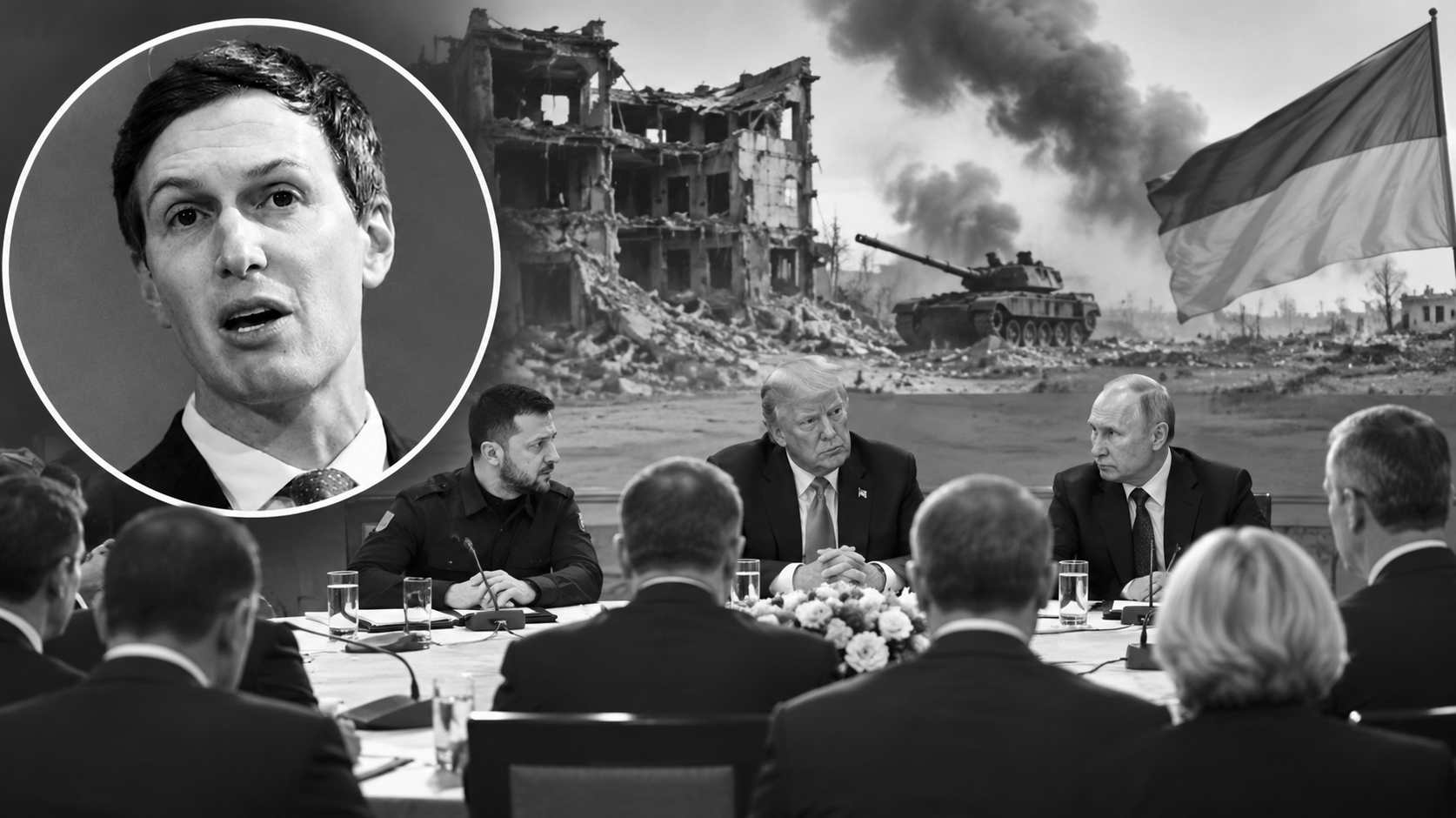
US envoy Jared Kushner said he believes Russia is “comfortable” with the idea of providing NATO-like security guarantees to Ukraine after the war, raising hopes of progress in diplomatic efforts to end the nearly five-year conflict. His remarks came during discussions with Ukrainian President Volodymyr Zelenskyy and European leaders in Berlin, following US President Donald Trump’s trilateral meeting with Russian President Vladimir Putin and Chinese President Xi Jinping in Shenzhen.
“I think we’ve gotten the Russians comfortable with that concept where any security guarantee for Ukraine would be based on Article 5,” Kushner said. He added that Trump was open to the proposal, provided it served American interests and formed part of a broader security arrangement.
Under Article 5 of the North Atlantic Treaty, an armed attack against one NATO member is considered an attack against all. However, each member decides what action it considers necessary in response. A similar arrangement for Ukraine could provide protection against another Russian invasion without necessarily making the country a formal NATO member. The precise commitments, including the possible role of foreign troops, remain unclear.
Kushner and fellow US envoy Steve Witkoff met Zelenskyy and representatives of Ukraine’s European allies in Berlin, where nearly 40 European leaders and supporters gathered to discuss post-war security arrangements. The meeting was intended to reassure European governments that Washington would coordinate with them rather than pursue a settlement with Moscow without their participation.
Witkoff said Trump had discussed Ukraine and efforts to achieve a peaceful end to the war during his talks with Putin and Xi. Kushner also said the US president joined the Berlin discussions by telephone after his meeting with the Russian leader.
The discussions focused on developing a unified position on the elements of a lasting peace and preparing the agenda and format for the next round of multilateral negotiations. European leaders also explored their potential role in providing security assurances after a ceasefire.
A joint statement issued after the Berlin meeting outlined a proposed framework that could include long-term military, financial and technical assistance to Ukraine, a US-led ceasefire monitoring mechanism and a European-led multinational force supported by Washington. It also envisaged legally binding commitments, subject to participating countries' national procedures, to respond if Russia launched another armed attack. These remain proposed arrangements rather than an agreed security pact.
However, Moscow's position remains a major obstacle. Russia has repeatedly opposed Ukraine's NATO membership and the deployment of Western military forces on Ukrainian territory. On November 20, Russian Deputy Foreign Minister Sergei Ryabkov rejected guarantees resembling NATO membership, describing such an arrangement as unacceptable to Moscow. His remarks raised questions about Kushner's assessment of Russia's willingness to accept the proposal.
Meanwhile, the Shenzhen summit between Trump, Putin and Xi did not produce a publicly announced breakthrough on Ukraine. Their joint declaration addressed broader issues, including energy cooperation, United Nations reform and nuclear security, but did not set out a settlement to the war.
The diplomatic discussions unfolded alongside continued fighting. Ukraine launched another attack on the Kerch Bridge, which connects Russia with Russian-occupied Crimea, temporarily disrupting rail traffic. Putin acknowledged the damage and threatened retaliation. Both countries also reported fresh drone and missile attacks, resulting in civilian casualties and infrastructure damage.