
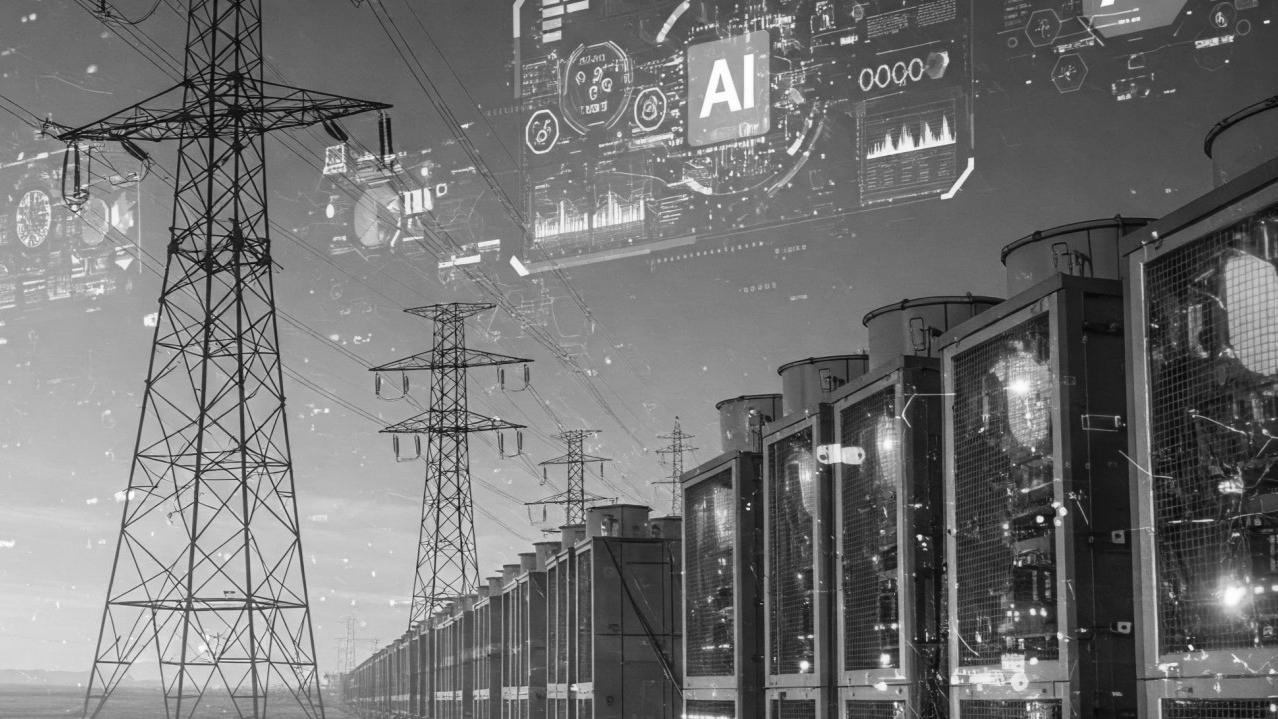
US electric grids under pressure as data centers surge
The United States’ electrical grids are teetering on the edge, and Big Tech’s sprawling data centers powering everything from AI chatbots to cloud computing are pushing them to the brink. With electricity demand skyrocketing, policymakers are rolling out a bold, tough-love fix: kick these energy-guzzling giants off the grid during power emergencies to prevent catastrophic blackouts.
Texas, scarred by the deadly 2021 winter storm that left dozens dead and millions in the dark, fired the first shot. In June, state lawmakers passed a bill forcing data centers' economic darlings but notorious power hogs to unplug during peak demand to save electricity for homes and hospitals. Now, this radical idea is spreading like wildfire, with the nation’s largest grid operator, PJM Interconnection, and others in the Great Plains eyeing similar plans.
AI Boom’s hidden cost
The spark? The 2022 debut of OpenAI’s ChatGPT, which unleashed a global frenzy for generative AI. These systems, along with the data centers that train and run them, are electricity vampires. From Virginia to Ohio to Texas, new data centers are popping up faster than power plants can be built. Grid operators warn of jaw-dropping demand spikes—some projecting a doubling of electricity needs in just a few years.
“It’s a race against time,” says Michael Weber, an energy expert at the University of Texas. “Data centers are multiplying so fast, grids can’t keep up. Flexibility will be mandated, whether Big Tech likes it or not.” And Big Tech isn’t thrilled. Data centers rely on uninterrupted power to keep servers humming. Yet, with electricity bills rising twice as fast as inflation and regular Americans footing the bill for Big Tech’s energy binge, the pressure is on to rein them in.
Texas leads, others follow
Texas, a data center hotspot, is ground zero. Its new law sets standards for utilities to disconnect major power users during emergencies like scorching summer days or freezing winter nights when grids are stretched thin. The goal? Save enough juice to avoid another statewide blackout.
PJM Interconnection, which powers 65 million people across the mid-Atlantic, is floating a similar plan. Their proposal would deny data centers guaranteed electricity during crises, sparking a firestorm of debate. Tech giants and data center developers, like those in the Data Center Coalition, are pushing back, demanding flexibility and financial incentives to offset the pain of going offline. Bitcoin miners and digital infrastructure groups warn that such moves could scare off investment, while consumer advocates argue it’s not enough to lower skyrocketing electric bills.
“Data centers could overwhelm the grid,” warns Joe Bowring, an independent market monitor for PJM. “It’s already happening.”
Big Tech’s backup plan
Tech companies aren’t sitting idle. Many are boosting energy efficiency and installing diesel-powered backup generators to keep the lights on during outages. But these were meant for rare disruptions, not routine grid relief. The Data Center Coalition is urging regulators to balance penalties with rewards for data centers that voluntarily power down during emergencies.
Meanwhile, in Indiana, Google struck a secretive deal with Indiana & Michigan Power for a $2 billion data center in Fort Wayne. The tech giant promised to scale back non-urgent tasks during grid stress, but the contract’s details are under wraps, leaving consumer advocates like Ben Inskeep skeptical. “Without transparency, we don’t know if this actually helps or just sounds good,” he says.
New power play
This “bump the big guys” approach marks a seismic shift in how we think about electricity. By forcing data centers to power down during peak hours just a few critical hours a year, grids could avoid billions in costs for new power plants. “Why build 10 new plants just to serve data centers for five hours a year?” asks Abe Silverman, an energy researcher at Johns Hopkins University. “There’s a smarter way.”
For regular ratepayers, this could mean lower bills, as peak power is the priciest. But the fight is far from over. Tech companies, power plant owners, and state governors are clashing over how to balance economic growth with grid reliability. Some propose data centers build their own power sources, while others demand more incentives to cooperate. As the U.S. races to outpace China in AI dominance, one thing is clear: the days of data centers slurping unlimited electricity are numbered. The grid’s future and your electric bill hang in the balance.