
US draws red line on Haiti, warns of action against political destabilisation
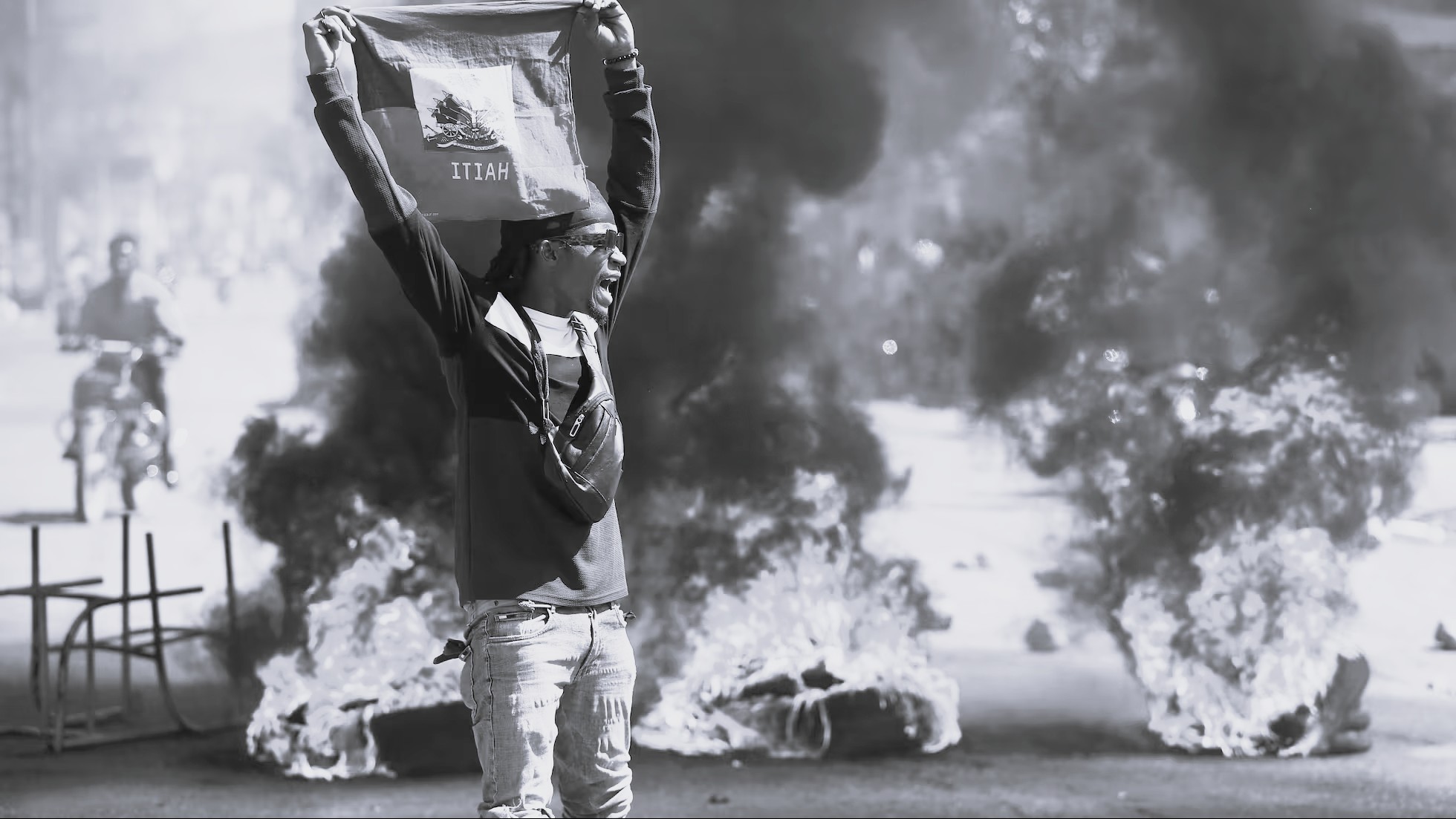
Haiti , a nation trapped in a cycle of political collapse and gang-driven violence, is once again at a critical crossroads, and this time, the United States has made it clear it will not stay silent.
In a rare and strongly worded warning, the US government cautioned Haiti’s transitional presidential council against any attempt to alter the country’s fragile power structure, saying it would take action against individuals who support moves that destabilise the state and strengthen criminal gangs. Washington warned that such actions would run against the interests of the Haitian people, the region and the United States itself.
Haiti has been governed by an unelected transitional council since April 2024, following the assassination of Jovenel Moïse in 2021 and the subsequent collapse of elected institutions. The council was installed with regional backing after armed gangs paralysed the country by attacking key infrastructure, forcing the resignation of former prime minister Ariel Henry and leaving the capital largely ungovernable.
While the council was meant to act as a temporary bridge to elections, internal rifts have now emerged, particularly involving Prime Minister Alix Didier Fils-Aimé , the third leader appointed by the body. With the council scheduled to step down on February 7 , fears are growing that some members may attempt to extend their grip on power, a move critics warn could ignite fresh protests and violence.
The US has linked Haiti’s chronic instability to corrupt political actors who, it says, deliberately use gangs to sow chaos and then seek political leverage from the disorder they help create. American officials argue that true stability can only come through elections, not negotiated power-sharing with armed groups.
For Washington, Haiti’s instability is not just a domestic crisis. The collapse of governance in the Caribbean nation fuels regional insecurity, illegal migration and transnational crime, placing direct pressure on US borders and security interests.
At the United Nations Security Council , concern is mounting. The body has warned that Haiti is entering a decisive phase, with gangs now controlling nearly 90 per cent of Port-au-Prince and violence claiming more than 8,100 lives last year alone. UN officials stressed that political infighting risks derailing the already delayed path to democratic elections.
As Haiti stands on the edge of yet another political rupture, the message from Washington and the international community is unmistakable: prolonging chaos for power will carry consequences, and Haiti can no longer afford leaders who profit from instability rather than end it.