
US Department of Justice faces backlash over Epstein file redactions, victims’ privacy at risk
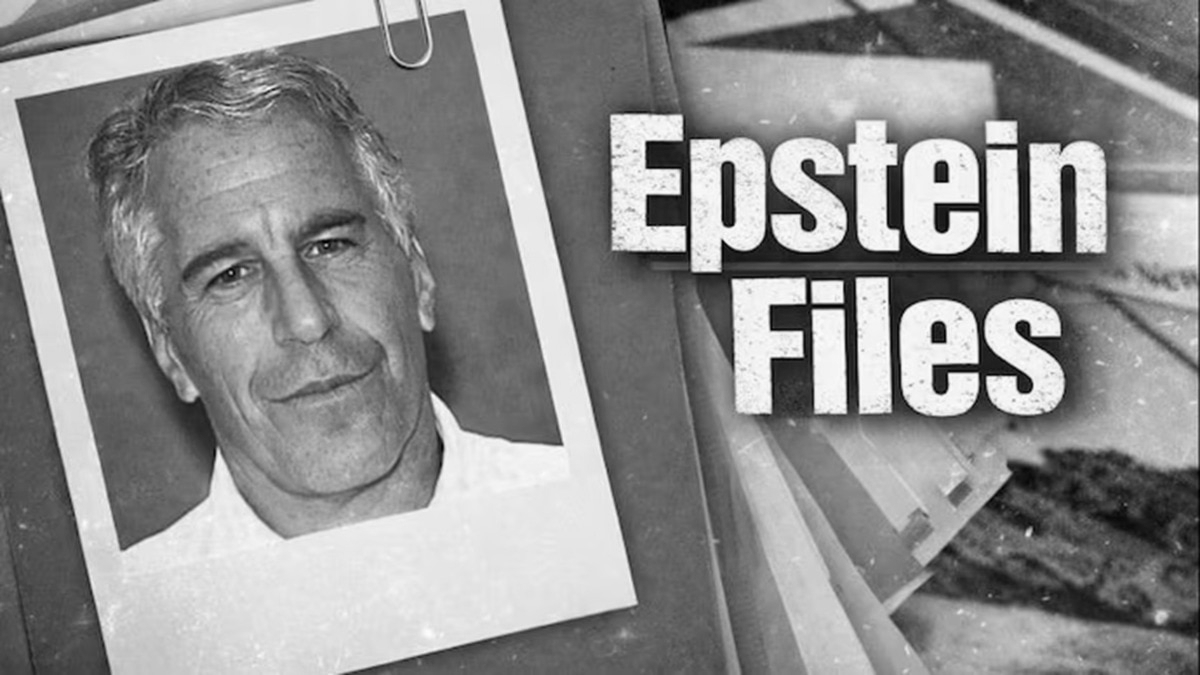
The U.S. Department of Justice (DoJ) is facing mounting criticism after its public release of Jeffrey Epstein’s investigative files revealed serious redaction failures that exposed sensitive personal information of sexual abuse survivors. Intended to balance transparency with privacy protections, the rollout instead triggered alarm among victims’ advocates, forcing the department to withdraw thousands of documents from public access after errors surfaced and acknowledge significant mistakes.
The disclosures were mandated under the Epstein Files Transparency Act , meant to make investigative records public while strictly protecting survivors’ identities. Yet reviews by The Associated Press and other media outlets found numerous instances where names, contact details and other identifying information were left visible, including for individuals who have never publicly identified themselves. Lawyers representing survivors described the damage as “permanent and irreparable,” warning that once such information is exposed online, it cannot be fully undone. Officials have pledged to republish corrected versions, but experts point to troubling inconsistencies, noting that while some harmless details were heavily blacked out, critical victim information was sometimes left exposed.
For many survivors, the episode has reopened old wounds. Annie Farmer, who has spoken publicly about being assaulted as a teenager, said even details she expected to remain private were mistakenly revealed. The episode, she said, reflected a careless process that left victims feeling endangered rather than protected.
The Justice Department attributed the lapses to human and technical limitations , pointing to the enormous task of reviewing millions of pages . Officials noted that the law initially gave them 30 days to begin releasing files after it was signed in November 2025. However, that deadline applied only to the first tranche of disclosures. The review and publication process has continued for months, with additional batches still being uploaded as recently as this week. Critics argue that despite having far more time since December, redaction problems have persisted, suggesting deeper flaws in oversight and quality control rather than simple time pressure. Hundreds of lawyers were reassigned from their regular duties to handle the review, delaying other court matters, yet inconsistencies continued to surface.
The latest batch has intensified scrutiny, as some documents were reportedly easy to reverse digitally , allowing hidden text to be recovered. Victims’ lawyers say such lapses undermine trust in the system and raise serious questions about whether adequate safeguards were ever in place.
Beyond technical errors, advocates say the episode reflects misplaced priorities . While details related to alleged perpetrators and peripheral figures were often thoroughly obscured, survivors’ information sometimes remained exposed, fueling concerns that the system was more cautious about shielding the powerful than protecting the vulnerable.
A scheduled court hearing in New York to consider survivors’ requests for independent oversight of the redaction process and the possible temporary removal of the online files was postponed after the department began corrective steps. Even so, victims’ attorneys said they are still exploring legal options to ensure survivors’ privacy is fully protected. Advocates stress that until every document is thoroughly reviewed and properly safeguarded, survivors remain at risk from errors in a process meant to protect them.