
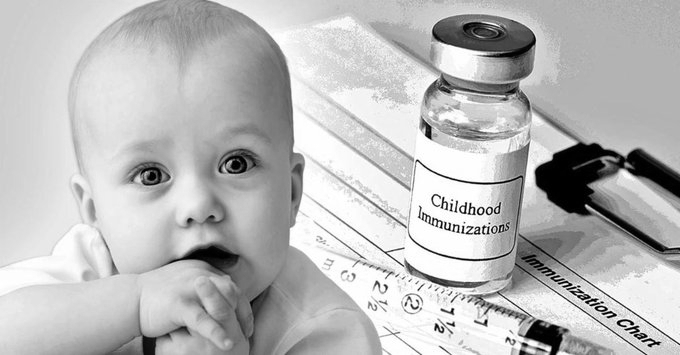
U.S. cuts childhood vaccine recommendations from 17 to 11, sparking controversy
The United States has sharply reduced the number of vaccines it recommends for all children, cutting the routine childhood immunization schedule from 17 to 11 vaccines. Shots such as Influenza, Rotavirus, Hepatitis A and B, RSV, Meningococcal disease, and COVID‑19 are no longer universally recommended and are now advised only for high-risk children or through shared decision-making between families and doctors.
Officials said the move will not reduce access or insurance coverage and aims to align the U.S. schedule with peer nations. Acting CDC Director Jim O’Neill said, “The data support a more focused schedule that protects children from the most serious infectious diseases while improving clarity, adherence, and public confidence.” Health Secretary Robert F. Kennedy Jr. said, “This decision protects children, respects families, and rebuilds trust in public health.” President Donald Trump called the revised schedule “far more reasonable.”
Vaccines against Measles, mumps and rubella, polio, diphtheria, tetanus, pertussis, Haemophilus influenzae type b, pneumococcal disease, varicella, and HPV remain recommended, though HPV now generally requires only one dose. Previously universal vaccines such as RSV, hepatitis A and B, and COVID‑19, influenza, and rotavirus are now in a shared decision-making category.
The change bypassed the usual Advisory Committee on Immunization Practices review, drawing criticism for lack of transparency. Experts warn the overhaul could reduce vaccine uptake, weaken herd immunity, and lead to more preventable illnesses. Dr. Michael Osterholm said, “ Abandoning recommendations…will lead to more hospitalizations and preventable deaths among American children .” The American Academy of Pediatrics called the move “ dangerous and unnecessary ,” and some pediatricians described it as “tone deaf” during a severe flu season.
Some public health specialists warn the policy could be seen as a win for anti-vaxxers , signaling vaccines are optional and validating skepticism. Federal officials suggested the change could save $1-1.5 billion annually by reducing routine doses, but experts caution that lower vaccination rates could drive up healthcare costs due to preventable disease outbreaks.
Vaccine manufacturers are also affected. Pfizer, Moderna, Merck, Sanofi, and GSK produce many of the vaccines now optional. Reduced federal recommendations could lower orders under government contracts and private insurance, potentially cutting hundreds of millions in revenue. The U.S. government buys vaccines through programs like the Vaccines for Children program, with contracts guaranteeing volume for companies, so demand shifts can have real commercial impact.
Officials reiterated that vaccines still on the federal schedule remain covered by insurance, and families who want additional shots can still receive them. Critics, however, worry that weaker guidance could influence state policies, clinical practice, and parental decisions, increasing the risk of preventable disease outbreaks.