
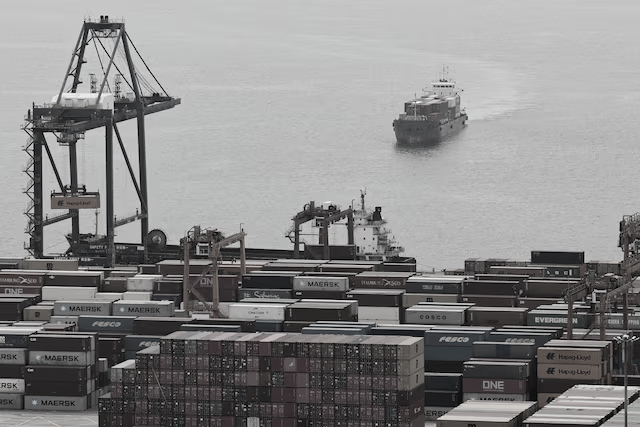
US, China roll out tit-for-tat port fees, threatening more turmoil at sea
United States and China implemented reciprocal port fees, marking a significant escalation in their ongoing trade conflict on Oct 14. These levies target ocean shipping firms transporting goods such as crude oil, consumer products, soybeans, rare earth metals, electric vehicles, and high-tech components.
China began collecting special port fees from U.S.-owned, operated, built, or flagged vessels. However, ships built in China, empty vessels entering Chinese shipyards for repairs, and certain other vessels specified by authorities are exempted. Fees are applied at the first port of entry or limited to the first five voyages annually, with an annual billing cycle starting on April 17. Chinese state media warned that unpaid dues would halt a ship's import/export processing.
In response, the U.S. initiated its own fees to reduce China’s dominance in maritime sectors, citing unfair practices revealed in prior investigations. China’s countermeasures include sanctions against five U.S.-linked subsidiaries of South Korea's Hanwha Ocean. These tit-for-tat actions risk disrupting global shipping and increasing costs. Major global shipping companies, including COSCO, are expected to bear a significant financial burden.
Persistent trade mismatch between the two countries:
The U.S. actively demands certain goods while restricting others, creating a one-sided trade influence like,China must sell rare earth metals because the U.S. relies on them for technology and defense industries.China must buy products like soybeans that the U.S. produces in abundance.The U.S. refuses to sell high-tech items, such as Nvidia chips, to China due to security and strategic concerns.The U.S. refuses to buy products China wants to sell, like electric vehicles, citing tariffs, market protection, and political considerations.
This mismatch creates a scenario where both countries are signaling strength but are fundamentally limited by what the other wants, or is willing to trade. President Trump attempted similar tit-for-tat trade measures in the past. While they caused temporary disruptions, they did not fundamentally change trade balances, raising questions about the effectiveness of the current measures.
Both countries have expressed a willingness to negotiate. China’s commerce ministry emphasized openness to dialogue while warning against confrontation. At the same time, China’s efforts to support international environmental shipping standards may collide with potential U.S. threats of broader sanctions, adding complexity to the maritime dispute.
This development highlights the growing tension in U.S.-China trade relations, placing the maritime industry at the forefront of the conflict and underscoring the persistent economic mismatches between the two global powers.
These reciprocal fees could disrupt global supply chains, increase operational costs, and affect major shipping and logistics companies worldwide.