
US, Australia and Japan Condemn China's Nuclear Capable Submarine Missile Test
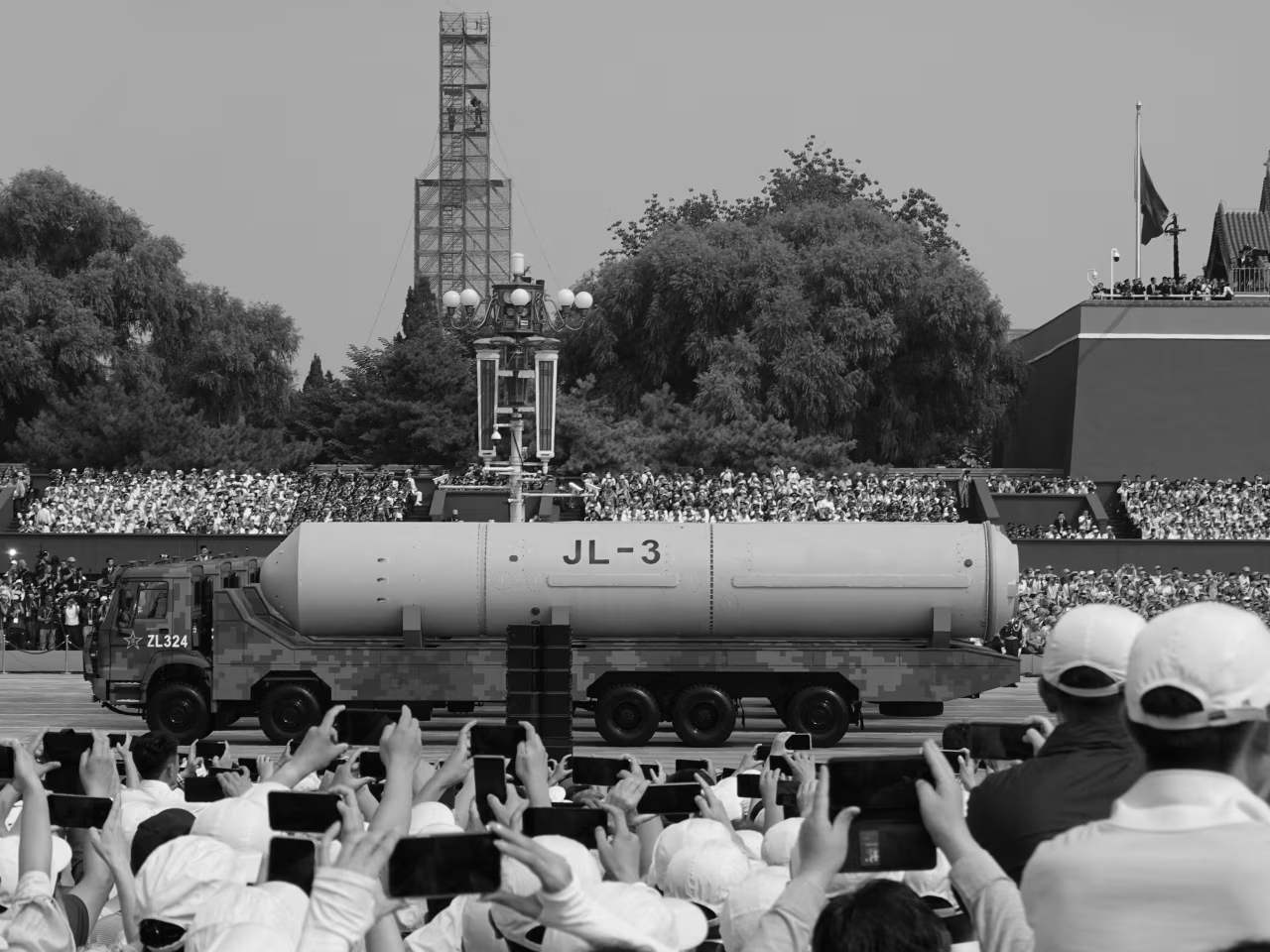
China's unprecedented launch of a nuclear capable submarine launched ballistic missile into the South Pacific has drawn strong condemnation from the United States , Australia , Japan , New Zealand , and several Pacific Island leaders, raising fresh concerns over regional security and Beijing's rapidly expanding nuclear capabilities. The missile, carrying a simulated warhead, was fired from a Chinese nuclear powered submarine into international waters, marking the first publicly acknowledged submarine launched intercontinental ballistic missile test by China in the Pacific.
China's Ministry of National Defense said the launch was part of the People's Liberation Army Navy's annual training programme, complied with international law, and was not directed at any specific country. Beijing said relevant countries had been informed in advance and urged them not to "over interpret" the exercise. However, regional governments said they received only limited notice, far shorter than the customary notification period for such strategic launches.
Although China did not identify the weapon, defence analysts believe a JL 3 submarine launched ballistic missile was fired from a Type 094 Jin class ballistic missile submarine. The missile is believed to have a range exceeding 9,000 kilometres and can carry multiple independently targetable nuclear warheads, making it a key component of China's expanding sea based nuclear deterrent. Experts say a successful submarine launch demonstrates a far more survivable second strike capability because nuclear submarines can remain hidden underwater for months, making retaliation far more difficult to prevent.
The U.S. State Department said it monitored the launch and described China's "rapid and opaque nuclear weapons buildup" as a matter of serious concern. Washington urged Beijing to begin meaningful arms control discussions and establish a regular notification system for intercontinental missile launches, while reaffirming its security commitments to allies and partners in the Indo Pacific. There has been no public statement from President Donald Trump on the launch so far.
Australian Prime Minister Anthony Albanese called the test "provocative", warning that such launches could cause "considerable damage" if armed with live warheads. Japan lodged a formal protest and pledged heightened surveillance, while New Zealand criticised the short notice provided by Beijing. Solomon Islands Prime Minister Matthew Wale also condemned the launch, saying Pacific nations do not want intercontinental missile testing in their region and that it contradicts the spirit of the South Pacific Nuclear Free Zone.
The launch came just hours after Australia signed a new defence agreement with Fiji and coincided with the start of annual China Russia joint naval exercises in the Pacific, leading analysts to view the timing as a deliberate strategic signal to the United States and its Indo Pacific allies. While Beijing insists the launch was routine, the test has reinforced concerns that China's growing military reach is reshaping the strategic balance across the Pacific.