
US and China Trade Journalist Expulsions Days After Trump Visits Xi in Beijing
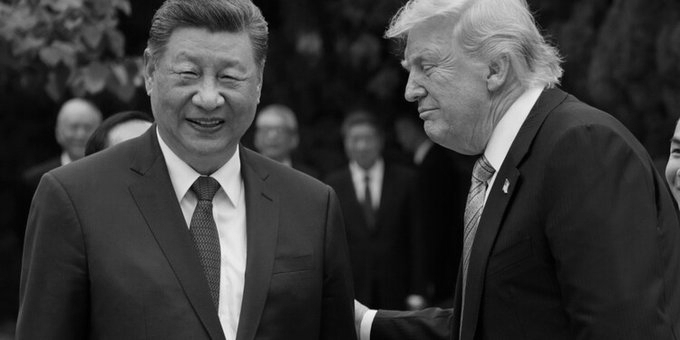
The United States and China have escalated a simmering media dispute with reciprocal expulsions of journalists, coming just days after President Donald Trump’s recent visit to Beijing, where he held talks with Chinese President Xi Jinping.
The Trump administration has revoked the visa of a Chinese national working for the state-run Xinhua News Agency , in what officials described as a response to Beijing’s earlier action against a U.S. journalist. A State Department acknowledgment of planned visa revocation confirmed the decision, which is being viewed as a rare direct retaliation in the ongoing press conflict between the two countries.
The move follows China’s expulsion of New York Times correspondent Vivian Wang , who had been based in Beijing since 2020. Reports suggest the decision was linked to Chinese objections over a DealBook Summit 2025 interview involving Taiwanese President Lai Ching-te , during which Taiwan was referred to as a country by the event host, not the journalist herself. Beijing, under President Xi Jinping, continues to assert sovereignty over Taiwan and has repeatedly reacted strongly to international coverage involving the island.
The latest exchange is being interpreted as part of a growing visa-for-visa retaliation pattern in media diplomacy , with both governments increasingly using journalist access as leverage in broader geopolitical tensions. The timing, coming shortly after the Trump–Xi meeting in Beijing, has further highlighted the fragile state of bilateral relations despite recent high-level engagement.
Press freedom groups and media organisations have expressed concern over the shrinking space for foreign correspondents in both countries. American outlets already operate with reduced staffing in China following earlier rounds of expulsions and tighter visa controls, while Chinese state media representatives in the United States have also faced increasing scrutiny.
China has not indicated any reversal of its decision on Vivian Wang, despite calls from The New York Times and advocacy groups urging her reinstatement. The newspaper has warned that continued expulsions will further limit independent reporting on China at a critical time for global scrutiny of its policies.