
UPSC Prelims 2026 Concludes: Face Scans, Tougher Paper, Historic Answer Key Reform
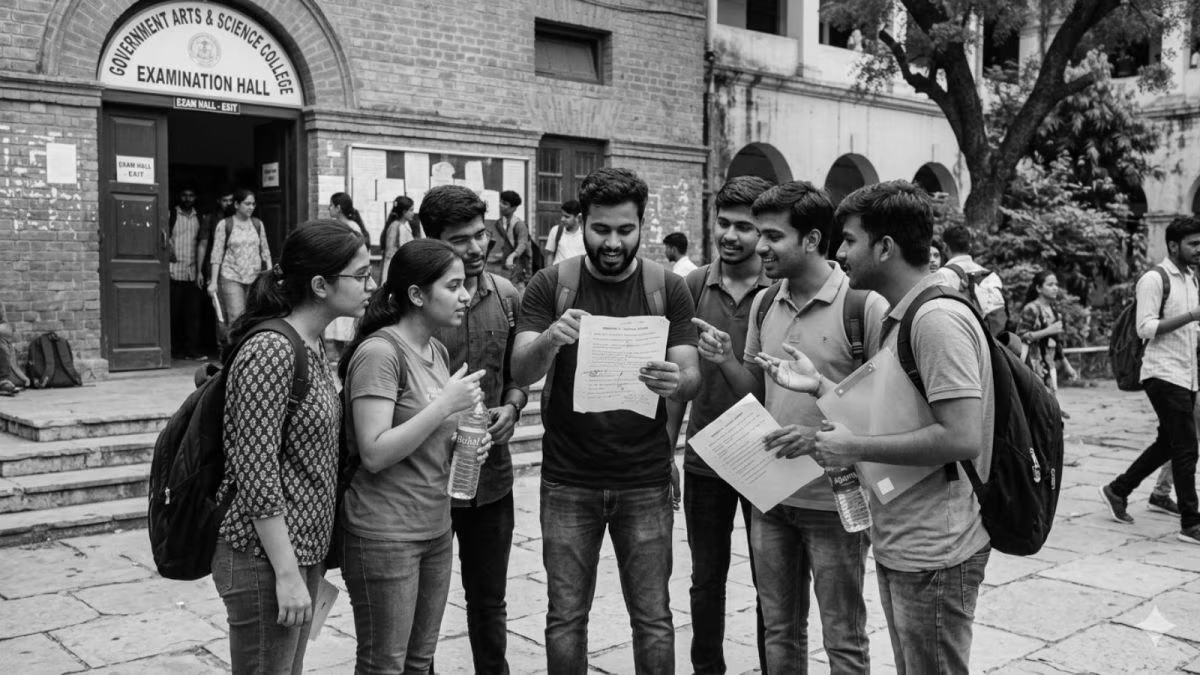
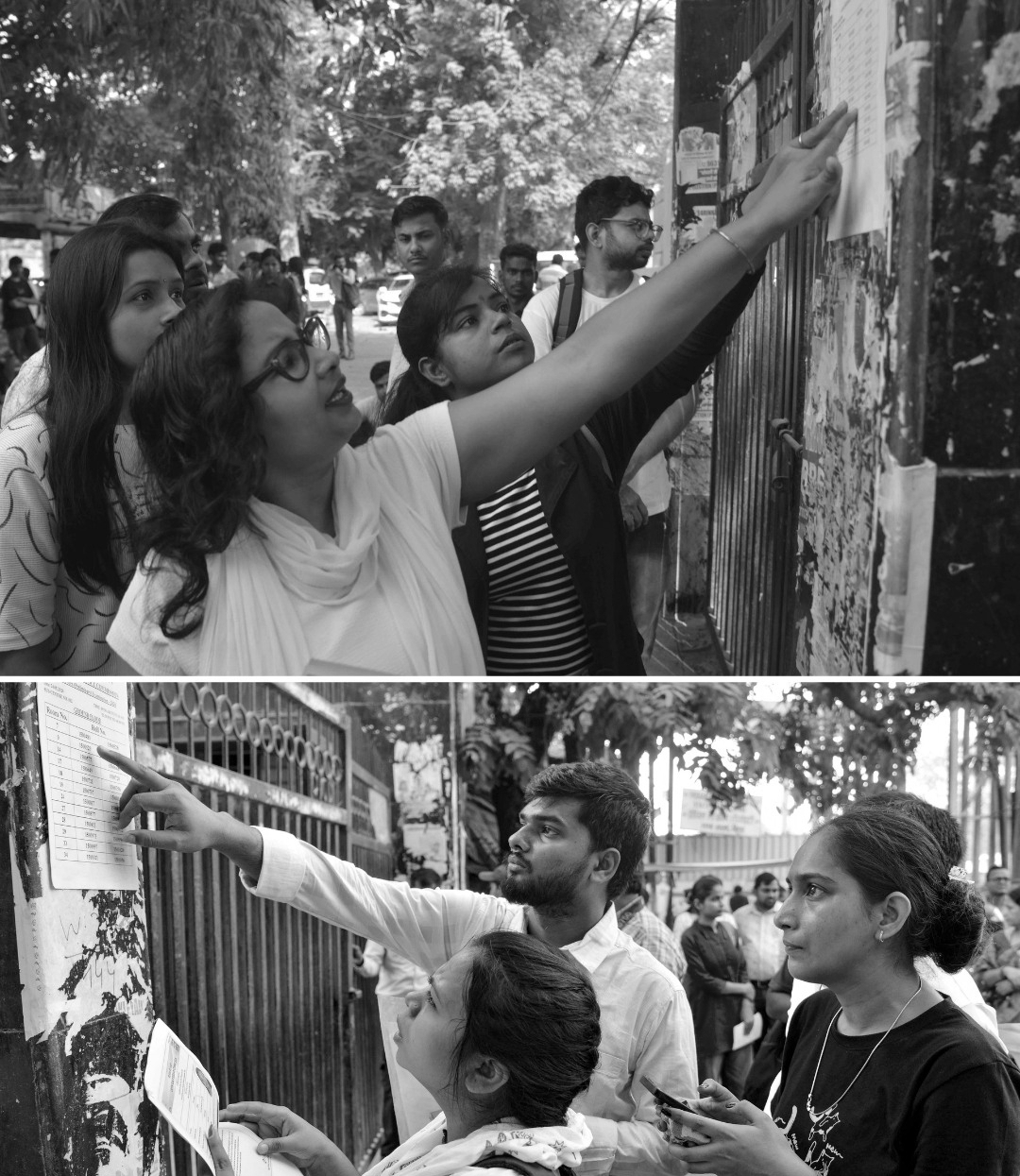
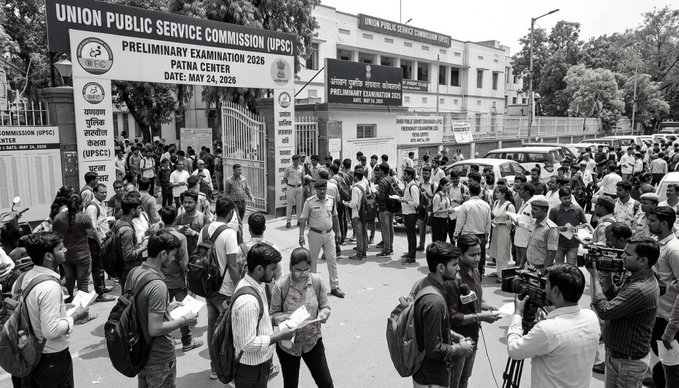
The Union Public Service Commission successfully concluded the Civil Services (Preliminary) Examination 2026 on Sunday, with nearly 5.49 lakh candidates, about 67 per cent of the 8.19 lakh registered aspirants, appearing across 2,072 venues in 83 cities nationwide. The exam, held for 933 vacancies in the Indian Administrative and allied services, was widely described by candidates and experts as one of the most demanding papers in recent memory.
Experts and aspirants described the General Studies Paper I as lengthier and tougher than the 2025 edition, with a stronger focus on analytical thinking, Economics, and History rather than direct factual questions. Strikingly, the paper grew from 48 pages last year to 56 pages , significantly raising the reading burden on candidates. The paper drew questions from an unusually wide range, spanning ancient texts, Buddhist and Jain traditions, classical music, temple architecture, fintech, blockchain, central bank digital currencies, rare earth elements, large language models, space technology, and international organisations, leaving many aspirants rattled. According to Manjunath Thamminidi , Founder of PMF IAS, the paper was unusually difficult , lengthy, and unpredictable , with heavy focus on random current affairs themes, making the outcome highly uncertain. The expected cut-off for the General category is pegged between 95 and 100 marks, though some analysts suggest it could dip further given the paper's difficulty.
The examination was also historic for the technology deployed to guard its integrity. The UPSC, for the first time, rolled out real-time face authentication of candidates at all 2,072 venues through a system developed by NeGD under the Ministry of Electronics and Information Technology. UPSC Chairman Dr. Ajay Kumar called it one of the most complex operational exercises undertaken by the Commission, noting its successful execution without any failure. Mobile signal jammers were also deployed at every venue, and three new centres, Bhubaneswar, Kanpur, and Meerut, were added this year to ease congestion.
In a major procedural reform, the UPSC introduced publishing the provisional answer key immediately after Prelims instead of waiting 12 to 15 months . Candidates can raise objections through the QPRep portal at upsconline.nic.in until May 31 at 6 PM . The reform brings UPSC in line with JEE and NEET, which already follow post-exam answer key systems.
Special compensatory time and accessibility support were ensured for candidates with disabilities, reinforcing UPSC’s commitment to an inclusive and credible examination process.