
Updating Your iPhone To iOS 18? Wait, This Update Has Put Apple Under The CCPA Scanner
The Central Consumer Protection Authority (CCPA) has stepped up its scrutiny of Apple after complaints from iPhone users over technical problems following the rollout of iOS 18 remained unresolved for months.
The regulator had issued a notice to Apple last year seeking details about the reported problems, when they began and what steps the company had taken to address them. With complaints continuing, the CCPA has now initiated a detailed investigation.
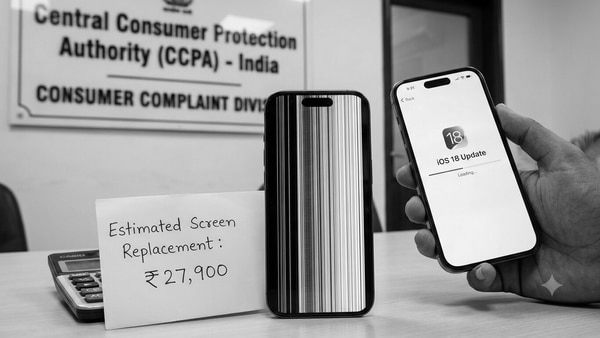
The complaints include reports of green, pink or white lines appearing on screens, microphone malfunctions, call failures, frozen or unresponsive screens, battery drain, touchscreen problems, camera issues and slower performance. However, the CCPA has not concluded that all these problems were caused by iOS 18.
The regulator's case involves 75 complaints, while a separate LocalCircles survey points to a much wider pool of affected users. Its January 2025 survey gathered more than 31,000 responses from iPhone users across 303 districts. Among 14,775 respondents who answered questions about problems after upgrading to iOS 18 or later, 62 per cent reported at least one issue, including failed or dropped calls, dark screens and apps hanging.
Apple has disputed the suggestion of a widespread software defect. In its response to the CCPA, the company said it had found no systemic issue or safety concern with iOS 18 in India. Apple has also pointed to its software licence terms, which state that the software is provided without warranty.
The investigation therefore goes beyond whether a major software update contained bugs. It also raises questions about what information consumers received, how complaints were handled and whether users were fairly treated when they sought repairs.
If the CCPA ultimately finds a violation of consumer law or an unfair trade practice, it can direct the company to stop the practice and, where legal conditions are met, order recall or withdrawal of affected goods or services and reimbursement. Penalties can also apply in cases involving misleading advertising.
For now, however, the CCPA is investigating, not accusing Apple of a proven violation. The outcome could have wider implications for how technology companies handle software-related problems after devices have already been sold.