
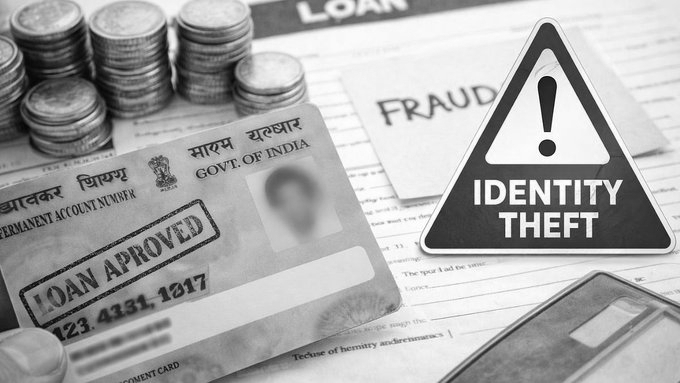
UP farmer hit with bogus ₹14.66 crore tax notices after identity misused by fake firm
A middle‑aged farmer in Budaun district was left in disbelief after receiving tax notices demanding ₹14.66 crore in dues, allegedly arising from a fraudulent firm registered using his personal identity documents.
On March 29, the farmer, Bhola Singh , was served with an income tax notice directing him to pay ₹1.02 crore , and soon afterward received a Goods and Services Tax (GST) demand for ₹13.63 crore , both linked to a firm named “Ram Store” purportedly operating in Delhi’s Naraina Industrial Area. Singh, who owns 12 bighas of agricultural land and lives in Khurrampur Bhamori in the Wazirganj area, insists he has never been to Delhi, nor has he established any firm or business.
Preliminary inquiries by officials revealed that the firm associated with the tax liabilities had used Singh’s Aadhaar and PAN cards without his consent , indicating identity theft and forgery to set up the business and conduct financial transactions. Singh lodged a formal complaint with the District Magistrate of Budaun, Avneesh Rai , prompting the administration to form a two‑member investigation team comprising the Additional District Magistrate (Finance) and the Deputy Commissioner (GST) to probe the matter thoroughly and recommend legal action.
Despite being advised to file a complaint at the Cyber Crime Police Station or his local police station , Singh said his attempts were unsuccessful, with neither the Wazirganj Police Station nor the Cyber Police Station registering his report, compounding his distress. He has appealed to the authorities to ensure an impartial inquiry and stern action against the culprits .
This case reflects a growing challenge faced by tax authorities nationwide , where fake firms and fraudulent use of identities are enabling large‑scale tax evasion and bogus claims. In the recent fiscal year, tax officials uncovered tens of thousands of fake firms involved in illicit activities, collectively generating massive bogus input tax credit claims, pointing to widespread misuse of registration and identity data across the country.