
Unseasonal Rains Stall Rabi Procurement, Govt Launches Emergency Push
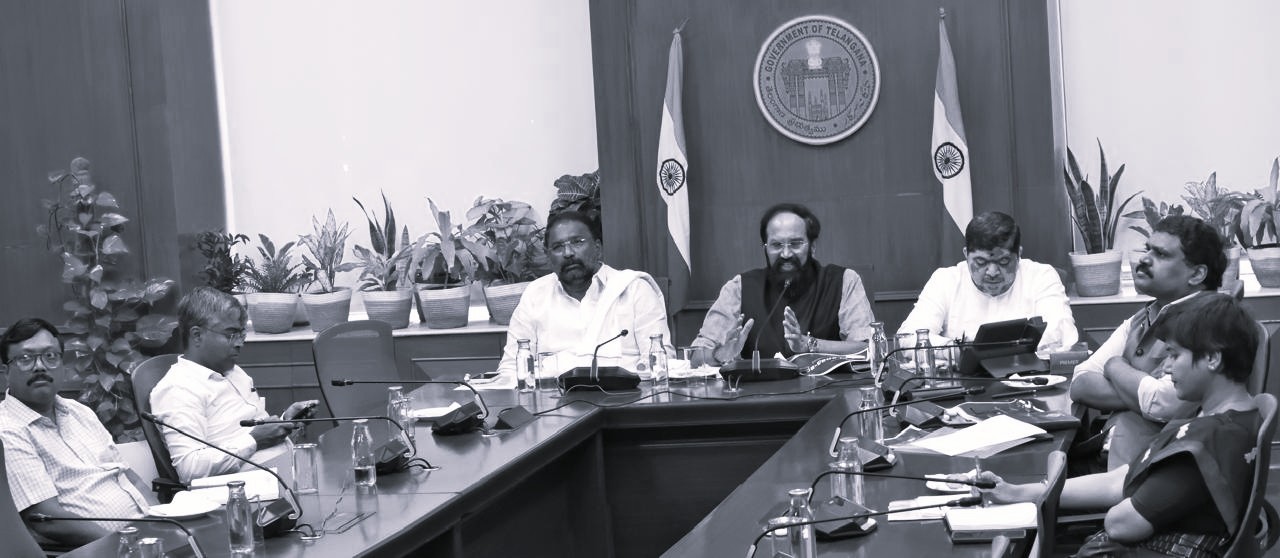
A spell of unseasonal rains has disrupted Telangana’s crucial Rabi marketing season , forcing the government into a war-footing response to protect harvested paddy and farmer incomes. N. Uttam Kumar Reddy , the state’s Irrigation and Civil Supplies Minister, held an urgent review with district officials, directing them to accelerate procurement and prevent damage at storage points. With weather forecasts warning of continued rainfall, officials have been asked to take immediate protective measures to safeguard grain lying in procurement centres and market yards.
The state is witnessing a bumper harvest , with production expected to touch 1.48 crore metric tonnes , and procurement targets nearing 90 lakh metric tonnes under the Minimum Support Price (MSP) system. Currently, over 8,575 procurement centres are operational, and around 14.80 lakh metric tonnes of paddy have already been procured from nearly 1.84 lakh farmers , with payments exceeding ₹2,000 crore credited directly into bank accounts. However, sudden rain and strong winds have exposed storage vulnerabilities , with tarpaulin sheets failing to protect stocks in several districts.
The impact on the ground has been immediate and severe. In districts such as Nalgonda, Mahabubnagar, and Khammam, even brief spells of rain have led to significant quantities of paddy getting soaked. In one case, nearly 299 metric tonnes were damaged within minutes. Wet grain not only affects quality but also reduces price realisation , putting farmers at risk despite MSP assurances. Delays in procurement in some areas have worsened the situation, forcing farmers to wait at centres while guarding their produce against unpredictable weather.
The crisis has also triggered a political backlash , with opposition parties alleging mismanagement and delays in procurement operations. There are growing demands for faster procurement, compensation for losses, and strict implementation of MSP. The government, meanwhile, has responded by ramping up logistics expanding storage capacity to around 16 lakh metric tonnes , mobilising gunny bags , and ensuring that rain-affected paddy is quickly moved to parboiled rice mills for processing.
With May being the peak procurement window , the coming days are critical. The administration’s ability to maintain speed, minimise losses, and stabilise operations will determine whether this record harvest translates into real gains for farmers. At stake is not just the success of procurement, but the broader question of how effectively the system can respond to climate-driven disruptions and uphold farmer confidence.