
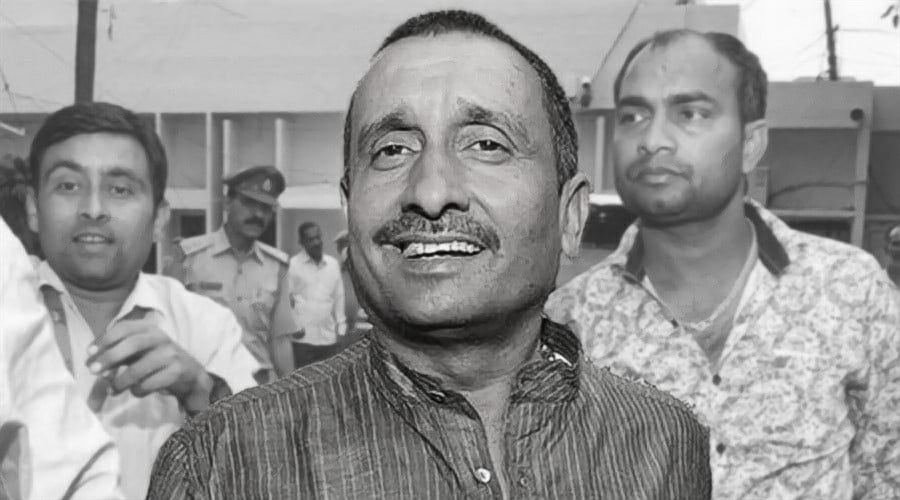
Unnao rape case: Delhi HC suspends jail term of Kuldeep Sengar, grants bail during appeal
The Delhi High Court on Tuesday suspended the life imprisonment sentence of expelled BJP leader Kuldeep Singh Sengar in the Unnao rape case and granted him bail pending disposal of his appeal against conviction. A bench of Justices Subramonium Prasad and Harish Vaidyanathan Shankar directed his release on furnishing a personal bond of ₹15 lakh along with three sureties of the same amount.
The court imposed strict conditions, directing Sengar not to enter within a five-kilometre radius of the survivor’s residence and not to threaten or contact the survivor or her mother. It warned that violation of any of the conditions would result in cancellation of bail. The sentence has been suspended till the final hearing of Sengar’s appeal challenging the December 2019 trial court verdict that convicted him of rape.
Sengar was found guilty of kidnapping and raping a minor girl in Unnao district of Uttar Pradesh in 2017, a case that later snowballed into a major national controversy due to allegations of political interference, intimidation of the victim’s family and delay in police action. The survivor had alleged that despite repeatedly approaching the police, her complaint was not registered for several months due to Sengar’s influence as a sitting MLA.
The case drew nationwide attention in April 2018 after the survivor attempted self-immolation outside the Uttar Pradesh Chief Minister’s residence, alleging denial of justice. Soon after, her father was arrested in a separate case and died in police custody following alleged assault, leading to further outrage and demands for an independent probe.
Taking note of the circumstances, the Supreme Court transferred the rape case and all connected matters from Uttar Pradesh to Delhi on August 1, 2019, and handed over the investigation to the CBI, citing concerns over the safety of the survivor and the fairness of the trial. A Delhi court later convicted Sengar and sentenced him to life imprisonment for rape.
Apart from the rape conviction, Sengar was also sentenced to 10 years’ imprisonment in the custodial death case of the survivor’s father. His appeal in that case is also pending before the High Court, where he has sought suspension of sentence on the ground that he has already spent a substantial period in jail.
Legal experts note that suspension of sentence during the pendency of an appeal does not amount to acquittal. Under criminal law, a convicted person has the right to appeal, and higher courts may temporarily suspend the sentence and grant bail after considering factors such as time spent in custody, delay in disposal of appeals, health, and the need to ensure that the survivor and witnesses are not threatened.
The High Court will now hear Sengar’s appeal on merits and deliver a final judgment, which may uphold the conviction and sentence, modify the punishment, or, in rare cases, set aside the conviction if serious legal infirmities are found. Until then, Sengar remains a convicted offender whose release is subject to strict judicial conditions.
The Unnao rape case has come to symbolise concerns over crimes against women, misuse of political power and the challenges faced by survivors in seeking justice, even as the legal process continues through multiple stages of appeal.