
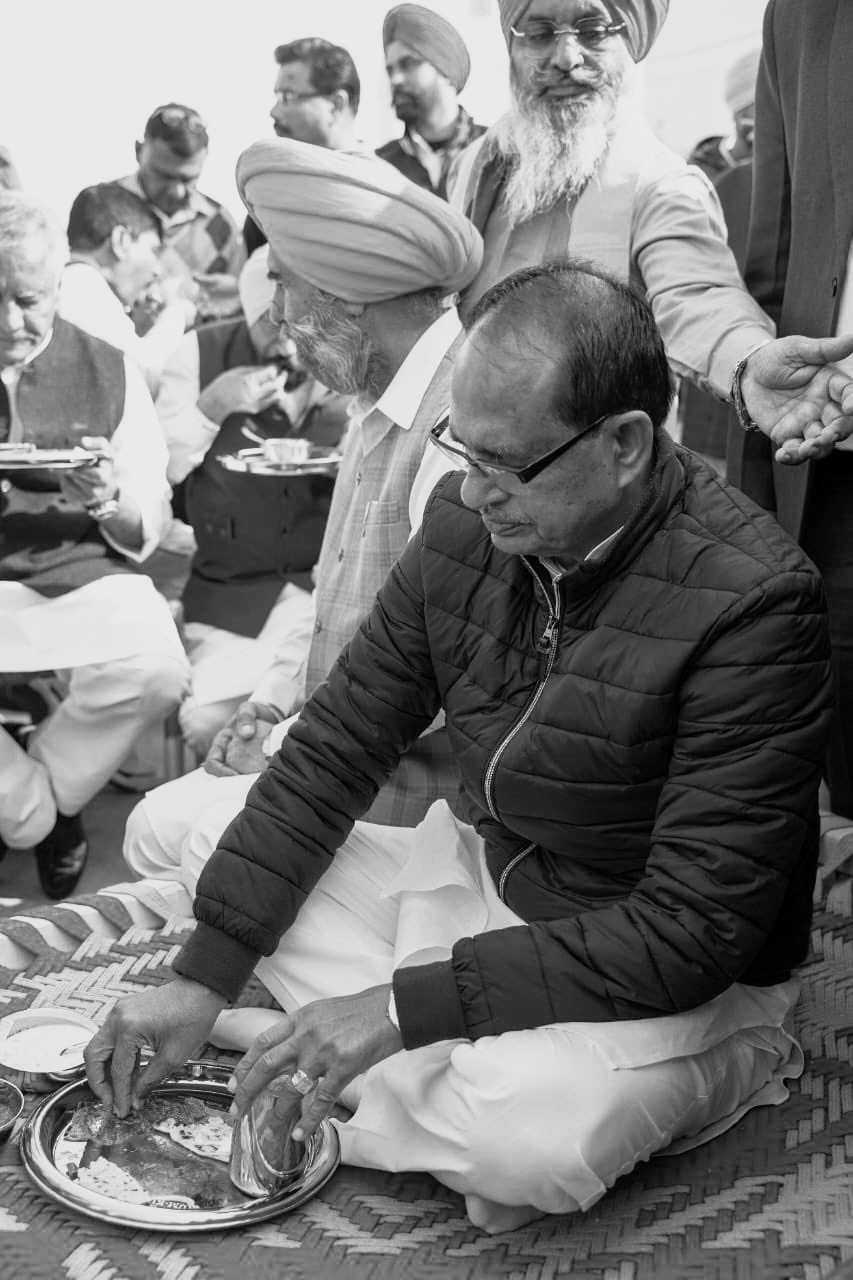
Union Minister Shivraj Singh Chouhan praises Punjab farmers
Union Agriculture Minister Shivraj Singh Chouhan on Thursday visited Ransih Kalan in Moga district, praising the village for emerging as a model of sustainable agriculture at a time when Punjab has long grappled with the environmental fallout of stubble burning. For over two decades, Punjab’s paddy–wheat cycle, narrow sowing window and heavy use of harvesters had made stubble burning a widespread practice, contributing significantly to North India’s recurring air pollution crisis. The smoke from farm fires has historically worsened winter smog, damaged soil health and released harmful pollutants across the region.
Against this backdrop, Chouhan highlighted Ransih Kalan as an example of how community-driven initiatives can reverse decades of harmful practices. He began his one-day visit with prayers at a local gurdwara before interacting with farmers and inspecting fields to understand the village’s methods of residue management, direct seeding and balanced fertilizer use.
Farmers explained how the shift to in-situ stubble management, use of the Happy Seeder and mixing residue back into the soil had improved soil organic carbon, moisture retention and microbial activity. These changes allowed them to cut fertiliser inputs without compromising yields. “We earlier used one-and-a-half sacks of DAP per acre; now we use only one sack and the productivity remains the same,” said farmer Gopal Singh. Urea consumption, too, has dropped from three sacks per acre to two. The mulch layer created by stubble also suppresses weeds and reduces irrigation needs.
Chouhan praised the village for maintaining six consecutive years of zero stubble burning, crediting farmers and the panchayat for their coordinated efforts. He noted that Punjab has recorded an 83% fall in stubble-burning incidents this year, calling it an encouraging trend. Sharing a traditional Punjabi meal with villagers, he said the warmth of the community and the innovations in their fields demonstrated “the true strength of rural India.”
The minister also indicated that the government may explore broader policy measures to support villages adopting similar eco-friendly methods. These could include expanded subsidies for residue-management machinery, incentives for zero-stubble villages, soil-health-linked input support, more custom hiring centres, and greater promotion of biofertilisers and composting units. He said such steps would help farmers nationwide reduce fertilizer use, protect soil health and adopt climate-resilient agriculture.
“Ransih Kalan is not just a village; it is a message,” Chouhan said. “Through community participation and scientific practices, farmers can protect the environment without sacrificing productivity.”