
UNESCO puts India's untouched wonders on world map
India’s cultural and natural treasures continue to earn global recognition. With the addition of seven new natural heritage sites to UNESCO’s Tentative List, India has elevated its total to 69 properties, reaffirming its position as one of the world’s richest custodians of history, culture, and ecology. Globally, UNESCO has inscribed over 1,200 World Heritage Sites, while India proudly contributes 44 inscribed sites 29 cultural, 7 natural, and 1 mixed alongside its growing Tentative List.
India’s global standing
India’s journey with UNESCO began in 1983, when the Taj Mahal, Ajanta, and Ellora Caves were among the first sites inscribed. Today, India stands among the top nations in heritage count, balancing architectural marvels, sacred landscapes, and natural ecosystems. With 49 cultural, 17 natural, and 3 mixed sites on its Tentative List, India is charting new ground in heritage preservation.
The seven new entrants
The Ministry of Culture has confirmed the following natural wonders as the latest additions to the Tentative List:
• Deccan Traps (Maharashtra): Basalt lava flows in Panchgani and Mahabaleshwar, offering rare geological insights.
• St. Mary’s Island Cluster (Karnataka): Famous for its 85-million-year-old basaltic rock columns.
• Meghalayan Age Caves (Meghalaya): Geological formations marking the Meghalayan Age of Earth’s Holocene Epoch.
• Naga Hill Ophiolite (Nagaland): Exposed remnants of ancient oceanic crust.
• Erra Matti Dibbalu (Andhra Pradesh): “Red Sand Hills” near Visakhapatnam, key to understanding coastal evolution.
• Tirumala Hills (Andhra Pradesh): Home to the Silathoranam natural rock arch and the famed Eparchaean Unconformity.
• Varkala Cliffs (Kerala): Dramatic coastal cliffs showcasing Mio-Pliocene sediment formations.
These sites not only deepen India’s geological narrative but also add new dimensions to its cultural and environmental heritage.
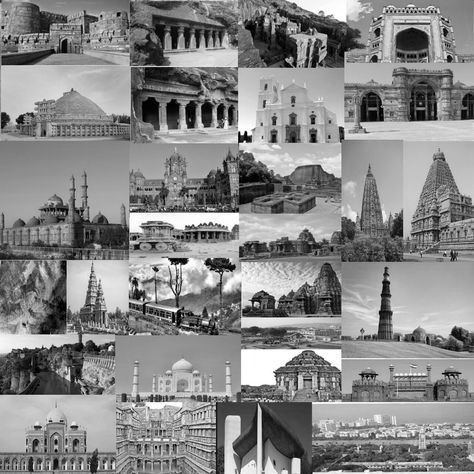
India’s top 10 UNESCO heritage icons
India’s heritage glory shines through sites that are globally recognized as icons:
• Taj Mahal, Agra (Uttar Pradesh)
• Ajanta & Ellora Caves (Maharashtra)
• Khajuraho Temples (Madhya Pradesh)
• Hampi Monuments (Karnataka)
• Elephanta Caves (Maharashtra)
• Mountain Railways of India
• Kaziranga National Park (Assam)
• Konark Sun Temple (Odisha)
• Jantar Mantar (Jaipur, Rajasthan)
• Nanda Devi & Valley of Flowers (Uttarakhand)
Together, these treasures represent India’s spiritual devotion, artistic brilliance, and ecological wealth.
Andhra Pradesh & Telangana in focus
In Andhra Pradesh, two newly added sites Erra Matti Dibbalu and Tirumala Hills underscore the state’s geological and spiritual legacy. Telangana too holds its place on the UNESCO list with the Ramappa Temple in Warangal, inscribed in 2021 as a shining example of Kakatiya architecture. These inclusions ensure that the Deccan’s cultural and natural identity is preserved on the world stage.
Why heritage matters
Heritage sites are more than monuments and landscapes; they are living repositories of human history, scientific knowledge, and cultural memory. UNESCO’s mandate emphasizes protecting these treasures “for future generations.” Preserving them safeguards biodiversity, conserves ancient knowledge, and nurtures local identities.
Passing the torch forward
To ensure the legacy of these sites endures, India must invest in:
• Education: Heritage awareness in schools to instill pride in young minds.
• Conservation: Scientific preservation and strict regulation to protect fragile ecosystems and monuments.
• Digital Documentation: Modern archiving using 3D scanning and AI tools to secure heritage virtually.
• Sustainable Tourism: Balancing access and protection to ensure communities thrive without degrading sites.
As India steps into a new era of heritage recognition with seven natural wonders on UNESCO’s Tentative List, the message is clear: our heritage is not just a window into the past, but a bridge to the future. By protecting these treasures, India offers the world a legacy of resilience, artistry, and natural wonder ensuring generations to come inherit a story worth telling.