
Unconstrained Energy Markets Key to Global Growth: Jaishankar Flags Hormuz Risks
Amid rising tensions in West Asia and growing disruptions to global energy flows, External Affairs Minister S. Jaishankar on Wednesday voiced strong concern over attacks on merchant vessels, calling them completely unacceptable and stressing the need to ensure uninterrupted maritime transit.
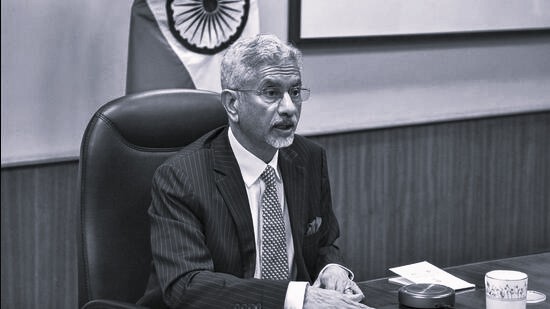
Jaishankar made these remarks while participating virtually in the Asia Zero-Emission Community (AZEC) Plus meeting hosted by Japan and chaired by Prime Minister Sanae Takaichi. The meeting focused on the impact of the ongoing crisis on energy supply chains , particularly in Asia.
At the forum, Jaishankar underlined India’s firm commitment to ensuring safe and unimpeded passage of commercial shipping through critical sea lanes, including the Strait of Hormuz. He emphasized that the security of maritime trade routes is essential for maintaining global stability , especially at a time when geopolitical tensions are threatening key supply corridors.
Highlighting the economic implications, he noted that global growth depends on stable and unconstrained energy markets. Any disruption in vital transit routes such as the Strait of Hormuz, which handles a significant share of global oil and liquefied natural gas shipments, could have serious consequences for economies worldwide.
The minister also stressed that India, as one of the world’s largest energy consumers, is actively working with like-minded countries to strengthen supply chain resilience . His remarks signaled New Delhi’s intent to play a proactive role in stabilizing energy flows and mitigating risks arising from geopolitical uncertainties.
The meeting assumes significance as the situation in the Strait of Hormuz continues to deteriorate, with heightened military tensions and restrictions on shipping raising concerns across global markets. The crisis has already led to price volatility in oil and gas markets, underscoring the vulnerability of energy supply systems.
In response to these challenges, Japan announced a new initiative aimed at supporting countries affected by energy disruptions. The proposed framework seeks to provide financial assistance , strengthen supply systems, and promote diversification of energy sources across Asia.
India, which relies heavily on energy imports from West Asia, is closely monitoring the situation. Officials indicated that New Delhi is in touch with multiple countries to ensure the safety of its vessels and secure continued access to critical supplies .
The issue has also figured in high-level diplomatic engagements, with Prime Minister Narendra Modi discussing the importance of keeping key maritime routes open , secure , and operational during a recent conversation with US President Donald Trump.
As tensions persist, India’s call for secure transit and collective action reflects broader global concerns over the stability of energy markets and the need for coordinated international efforts to safeguard critical trade routes.