
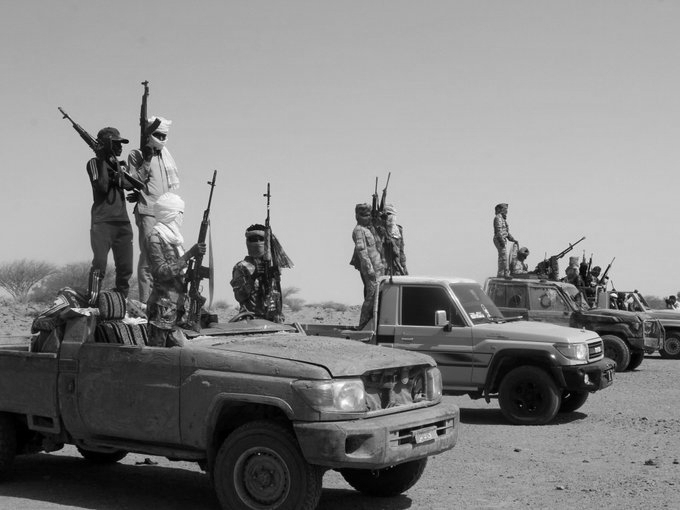
UN Extends Darfur Arms Embargo For One Month As US Pushes For Sudan Wide Ban
The UN Security Council on Friday unanimously extended the Darfur arms embargo for one month as the United States pushed for a wider ban covering all of Sudan, where a war between the army and paramilitary Rapid Support Forces has killed at least 59,000 people and displaced around 13 million since April 2023. The extension under Resolution 2828 keeps the sanctions regime and the mandate of its Panel of Experts in place until October 9.
The US has argued that the existing Darfur only embargo is outdated and insufficient to address the realities of the current war. Washington wants the Security Council to stop weapons reaching both the Sudanese Armed Forces and the RSF and has also called for sanctions against people accused of sexual violence, kidnappings for ransom and attacks on humanitarian workers.
Russia, however, has firmly rejected any expansion. Russian deputy UN ambassador Anna Evstigneeva said Moscow had made its "red lines" clear during negotiations and would not allow "even a hint" of broader restrictions on Sudan. Russia, which has veto power, supports the Sudanese government in its fight against the RSF. China has also opposed expansion, warning that a wider embargo could worsen the humanitarian crisis and risk Sudan's fragmentation.
Sudan's UN ambassador Al Harith Mohamed also rejected a nationwide embargo, saying it would conflict with the UN Charter's guarantee of a country's right to self defence and its ability to acquire weapons to protect its sovereignty.
The existing embargo was imposed after the Darfur conflict erupted in 2003 and was expanded in 2005 to cover government forces and other belligerents operating in the region. The current regime includes an arms embargo as well as targeted asset freezes and travel bans.
The US push comes as fighting continues across Darfur, Kordofan and Blue Nile. The conflict has caused widespread destruction of civilian infrastructure, while humanitarian access remains severely restricted. A recent UK government assessment said 28.9 million people, or 56 per cent of Sudan's population, require food assistance, while 21 million need healthcare assistance. Fourteen areas across North Darfur, South Darfur and South Kordofan were at risk of famine as of May.
The humanitarian crisis has also worsened because of attacks on aid and funding shortages. On August 30, an aerial attack outside Dilling in South Kordofan destroyed more than 50 metric tonnes of WFP food, enough to provide assistance to about 5,800 people for a month. WFP said the trucks were clearly marked with its banners and flags.
WFP acting director Carl Skau has warned that funding shortages have already forced the agency to reduce the number of people it assists from about 5 million at the start of the year to 3.5 million, with further cuts possible. Meanwhile, the healthcare system is also under severe pressure. Aid groups said this week that 36 health clinics have closed because of funding cuts, affecting access to care for more than 473,000 people. Up to 80 per cent of health facilities in conflict zones are reportedly non operational or barely functioning.