
UN Climate Fund Sets Aside $20 Million for Nepal in Historic First, Covering Just 0.7% of Losses
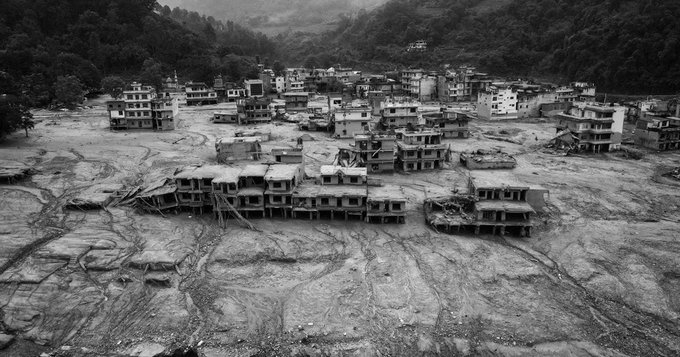
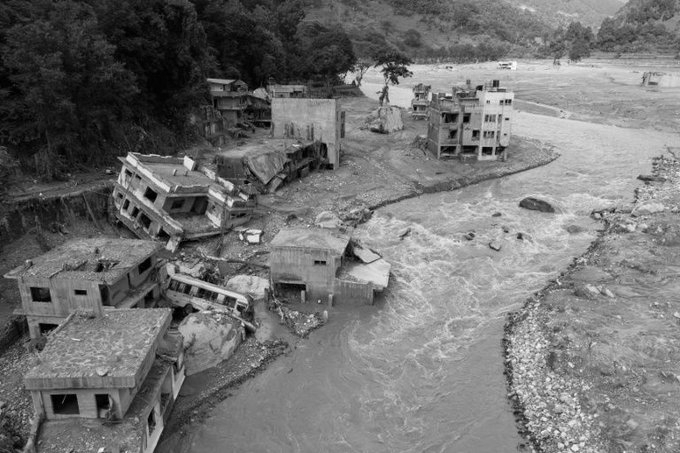
The United Nations’ climate loss and damage fund has provisionally set aside $20 million for flood-hit Nepal, marking a historic first for the fund in responding to a sudden-onset climate disaster. However, the proposed assistance is a fraction of the devastation, with preliminary estimates putting the damage and economic losses at around $2.56 billion.
The Board of the Fund for Responding to Loss and Damage (FRLD) approved the provisional allocation on October 22, following the devastating floods that struck Nepal in August. The proposed funding would cover only about 0.7 per cent of the estimated losses, highlighting the widening gap between the cost of climate-related disasters and the resources available to vulnerable countries.
Nepal’s financial requirements extend beyond immediate flood damage. The country faces substantial recovery and reconstruction costs, estimated at more than $4.7 billion, as it works to restore damaged infrastructure, rebuild communities and help affected families recover their livelihoods. The $20 million allocation, while significant as a milestone for the fund, will provide only limited support against these needs.
The money will not be released immediately. Nepal must submit a formal funding proposal outlining its requirements and intended use of the assistance. The fund’s board is expected to consider the request at its next meeting in December 2026. The provisional allocation therefore represents an initial commitment rather than a completed payment.
Established following an agreement at the 2022 UN climate conference in Egypt, the FRLD was created to help vulnerable developing countries address the irreversible consequences of climate change, including losses that cannot be prevented through adaptation measures alone. Its first allocation for a sudden-onset disaster will test whether the mechanism can deliver timely support when countries face emergencies.
The decision has also renewed questions about the adequacy of international climate finance. While the agreement demonstrates that countries can reach consensus on assistance, the difference between Nepal’s estimated losses and the amount provisionally set aside remains stark.