
Ukraine targets Russia’s shadow fleet in record sanctions to cripple war financing
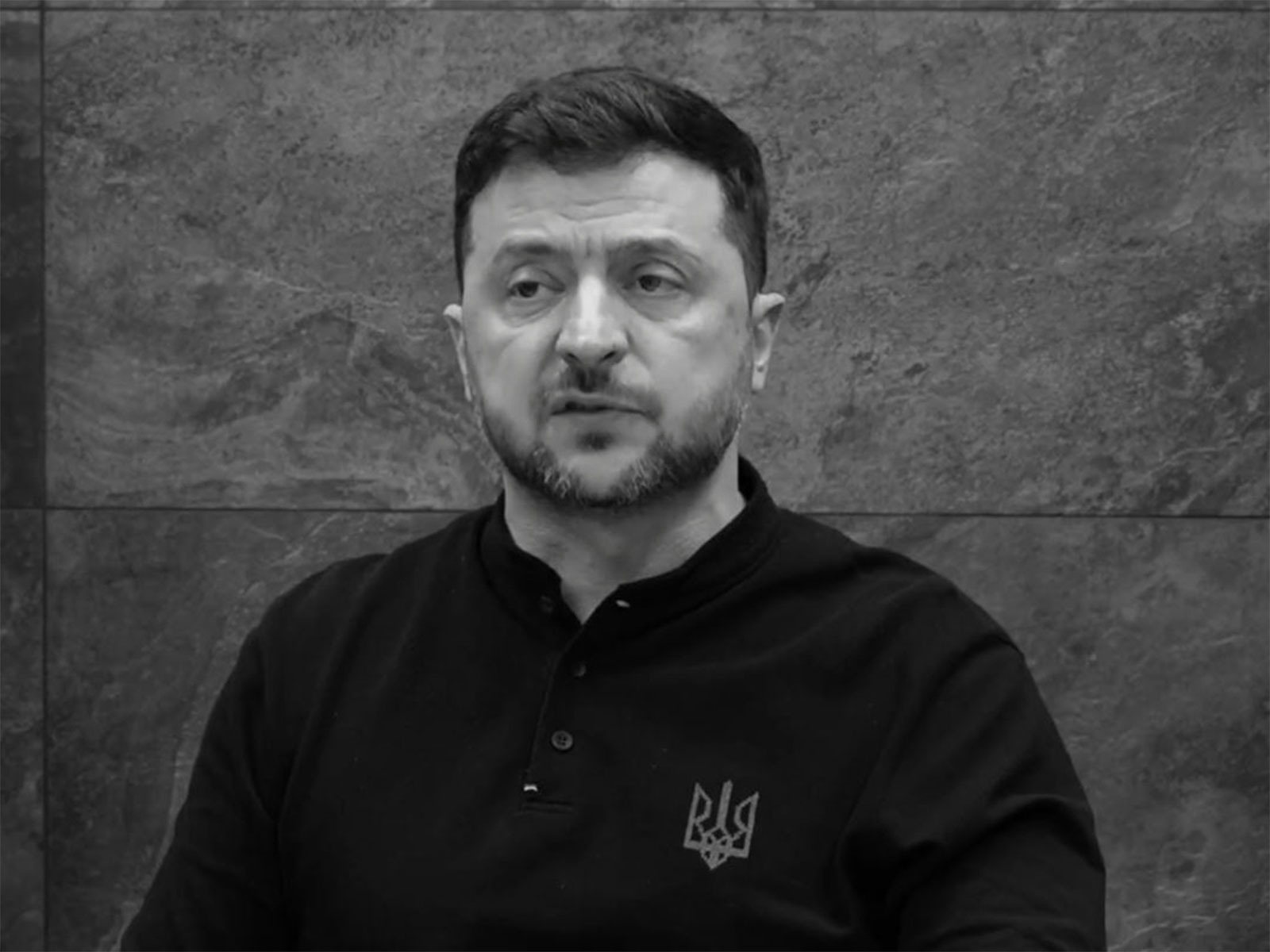
Ukraine has imposed sanctions on nearly 700 maritime vessels used by Russia to export oil and fuel, in what President Volodymyr Zelenskyy described as the largest sanctions package against the so-called “shadow fleet.” The move aims to cut off a major source of revenue for Russia’s military operations and tighten economic pressure on Moscow.
The sanctioned fleet, often referred to as Russia’s shadow fleet, consists of tankers and cargo ships that operate under flags of convenience from over 50 countries, including Panama, Liberia, and Sierra Leone. These vessels are known to turn off tracking systems, use shell companies, and sail covertly, helping Russia bypass Western sanctions to sell oil on international markets. “Ukraine is striking at the heart of the Russian war machine by targeting its financial arteries,” Zelenskyy said on social media/X. “This package is unprecedented in scale and aims to make sanction evasion more difficult than ever.”
Russia relies heavily on oil and energy exports to fund its military operations in Ukraine. By sanctioning these nearly 700 vessels, Kyiv is directly disrupting the flow of billions of dollars that sustain its military logistics, pay troops, and procure weapons. The sanctions freeze any money or property of the ships or their owners in Ukraine, restrict trade with Ukrainian companies, and prevent the vessels from entering Ukrainian ports or waters, forcing costly reroutes. With the measures set to last for 10 years, Russia will find it increasingly difficult to circumvent them.
Experts say these measures hit the shadow fleet’s economic backbone, making it harder for Russia to sell oil secretly and evade international sanctions. “This is like freezing a major portion of Russia’s war chest,” noted energy analyst Olga Petrov. “It will force Moscow to find riskier, costlier routes to move its oil, reducing profits and increasing exposure to global enforcement.”
Ukraine is also encouraging international partners to adopt similar measures. Coordinated sanctions with the European Union, the United States, and G7 countries could further isolate Russia’s shipping network, impacting revenue as well as insurance and financing for these vessels. While Western nations have already targeted parts of the shadow fleet in previous sanctions packages, Ukraine’s latest move is the most comprehensive effort yet, aiming to systematically block nearly all known vessels that aid Russia’s war economy.
By sanctioning 656 vessels, Ukraine is not just responding to Russia’s war in Ukraine—it is attempting to strategically undermine the economic mechanisms that fund it. Analysts say the shadow fleet’s disruption could shrink Moscow’s war budget, increase operational costs for covert oil shipments, and strengthen Kyiv’s bargaining power in international diplomacy. As the largest sanctions package against Russia’s shadow fleet to date, Kyiv’s move represents a new front in the economic war against Moscow, emphasizing that the fight extends beyond the battlefield into the global maritime and energy sectors.