
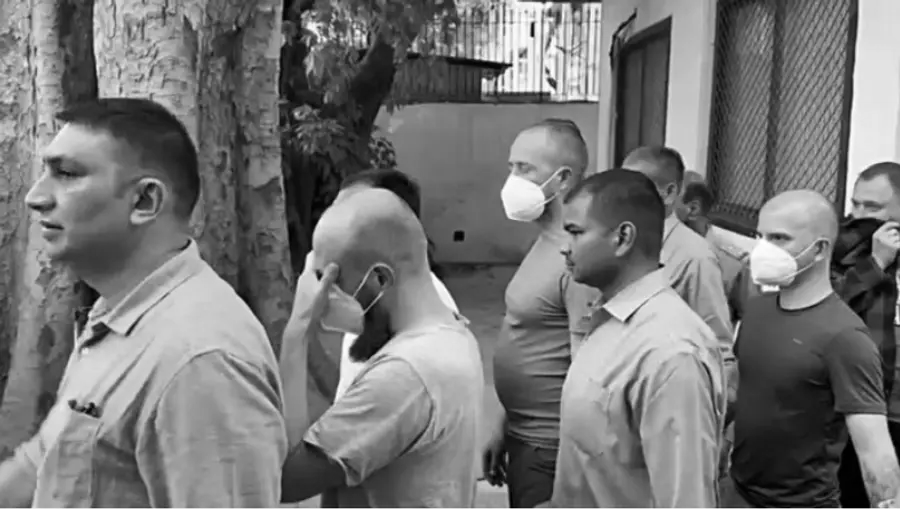
Ukraine demands release after arrests in Mizoram-linked case of 6 Ukrainians, American
Ukraine has lodged a formal protest with the Government of India over the arrest of six Ukrainian citizens and one American national , detained in connection with an alleged terror-related conspiracy . The Ukrainian Foreign Ministry said its ambassador to India, Oleksandr Polishchuk , met Sibi George, Secretary (West) in the Ministry of External Affairs, to hand over an official note of protest demanding immediate consular access and the release of its nationals. The ministry stressed that the Ukrainian embassy had not been officially informed of the detentions, insisting on unrestricted access to the detainees.
Indian investigators, led by the National Investigation Agency (NIA) , arrested the seven foreign nationals under the Unlawful Activities (Prevention) Act (UAPA) , including Section 18 relating to criminal conspiracy. The operation spanned multiple cities: the American was detained at Kolkata airport , while three Ukrainians each were arrested at Lucknow and Delhi airports , before being brought to New Delhi.
Authorities allege that the group entered India on valid visas but travelled to Mizoram without the mandatory Restricted Area Permit (RAP) and crossed the India–Myanmar border without authorisation. Investigators claim they met ethnic armed groups linked to insurgent activities, trained them in drone operations , and facilitated drone consignments from Europe, raising serious cross-border security concerns .
A Special NIA Court at Patiala House Court remanded all seven in custody until March 27 . The Ukrainian Foreign Ministry maintained that there are currently no established facts proving involvement in unlawful activities and criticised distorted media narratives. Embassy representatives attended a court hearing on March 16 but were denied direct communication with the detainees.
The US Embassy confirmed awareness of the case but declined comment for privacy reasons. The incident underscores the legal and diplomatic complexities of restricted border zones, counter-terrorism laws, and consular rights in India.