
UK, US seal landmark deals to power Britain with modular nuclear reactors
The UK and US have unveiled a string of nuclear energy agreements, promising a new wave of small modular reactors (SMRs) to boost Britain’s power capacity, jobs, and energy security. The deals, announced ahead of Donald Trump’s UK visit, mark what Prime Minister Keir Starmer called a “landmark nuclear partnership” to drive down bills and create thousands of skilled jobs.
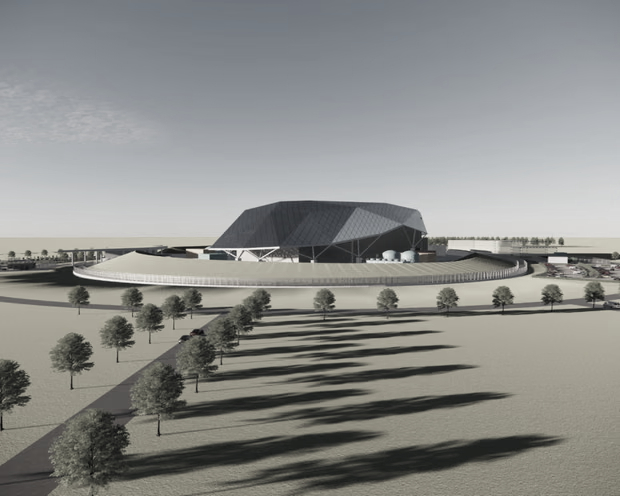
The centrepiece of the plan is a partnership between Centrica, Britain’s largest energy supplier, and US firm X-energy to build up to 12 advanced modular reactors in Hartlepool. The multi-billion pounds project is expected to generate power for 1.5 million homes and create 2,500 jobs in the north-east, securing the town’s energy future as its existing plant winds down in 2028.
Other ventures include a £11bn plan by Holtec, EDF Energy and Tritax to build small modular reactors powering datacentres in Nottinghamshire, and a tie-up between US company Last Energy and DP World to create one of the world’s first micro-modular plants at London Gateway port.
A key feature of the UK-US pact, dubbed the Atlantic Partnership for Advanced Nuclear Energy, is mutual recognition of safety checks, slashing licensing times from four years to about two. The move aims to halve bureaucracy, speed up deployment, and strengthen nuclear supply chains across the Atlantic.
Ministers say the expansion underpins Starmer’s pledge of the biggest nuclear build-out in generations, alongside the state-backed Sizewell C project. The US Secretary of Energy, Chris Wright, said the agreements would help meet the surging electricity demand of AI datacentres while reducing reliance on overseas energy and ending dependence on Russian nuclear fuel by 2028.
The Nuclear Industry Association said the transatlantic drive could trigger an “industrial revival,” creating thousands of high-value jobs and cementing the UK’s nuclear future.