
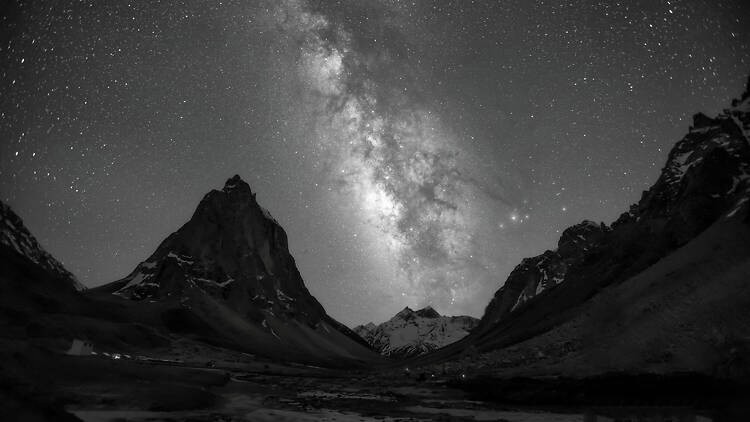
Udmal Looks to the Stars as Dark Skies Open New Doors for Tourism and Tribal Livelihoods
Udmal’s dark-sky initiative could turn a remote tribal village in Nashik into a model for how conservation, science and livelihoods can reinforce one another. Driven by 22-year-old stargazer Vipul Khiradi, the effort seeks to protect naturally dark skies while opening new opportunities for the community. The district administration has sanctioned ₹42.14 lakh for night-sky assessments, responsible lighting, awareness programmes and youth training.
At its heart is sustainable astro-tourism. Udmal could develop designated stargazing areas, telescope-viewing stations, astronomy interpretation centres and guided night-sky experiences, including constellation sessions, meteor-shower events and astrophotography. However, tourism must remain low-impact, with controlled visitor numbers, quiet hours and strict lighting rules so that the attraction itself is not damaged. Maharashtra has identified Udmal among 11 potential dark-sky sites as it expands its wider astro-tourism programme.
The economic gains could extend well beyond tourism operators. Local tribal youth could be trained as astronomy and nature guides, telescope assistants, interpreters and hospitality workers. Homestays, local food, transport, handicrafts and cultural experiences could allow more visitor spending to remain within the village. A community-led model could also direct part of tourism revenue towards education, conservation and better lighting.
The initiative could simultaneously support astronomy education and scientific temper. Clear skies can provide students with an outdoor laboratory for learning about planets, stars and space, potentially encouraging STEM interests without requiring expensive urban facilities.
Udmal could become a policy laboratory for Maharashtra’s proposed State Dark Sky Policy by tracking sky brightness, lighting compliance, electricity use, visitor numbers, wildlife observations and local employment. Its experience could help establish practical standards for lighting, enforcement, community participation, monitoring and tourism management. AstronEra and government agencies are already working toward a broader framework linking dark-sky conservation with tourism policy.
The ultimate test will be balance. Darkness must remain the foundation of development, not its casualty. If Udmal protects its night sky while ensuring residents gain skills, income, dignity and ownership, its model could eventually be replicated across Maharashtra’s other dark-sky destinations.