
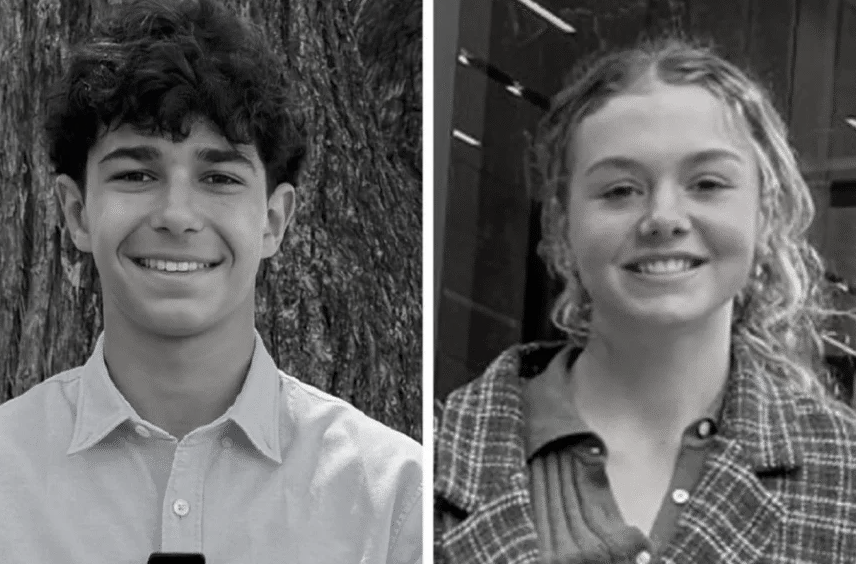
Two teens challenge Australia’s under‑16 social media ban in High Court
Two 15-year-olds, Noah Jones and Macy Neyland, have launched a High Court challenge against the federal government’s new law banning under‑16s from holding accounts on major social media platforms. The law, set to take effect on December 10, applies to Facebook, Instagram, Snapchat, Threads, TikTok, Twitch, X, YouTube, Kick, and Reddit. The teens argue that the law interferes with the implied freedom of political communication and is therefore unconstitutional. The plaintiffs are seeking an urgent injunction to prevent the law from being enforced until the High Court rules, though such injunctions are rarely granted.
It has been stated by Noah Jones that under‑16s are “the true digital natives” and that the ban represents an over-reach, while he warned that forcing young people underground via fake profiles or VPNs could make them more vulnerable. Macy Neyland has expressed that young people are being silenced and compared the ban to Orwell’s 1984 , calling it a poor approach to safety. She advocates instead for safer, nuanced measures such as age-appropriate features, privacy-preserving age verification, and stronger moderation rather than blanket exclusion.
Australia’s Online Safety Amendment (Social Media Minimum Age) Act 2024 requires social media platforms to take “reasonable steps” to pre vent under-16s from creating accounts, placing responsibility on the platforms rather than on children or their families. While under-16s will be unable to create accounts, they will still be able to view content through logged-out access. The federal government says the law is intended to “enhance the online safety and wellbeing of young people.” Civil fines of up to AUD 49.5 million may be imposed on platforms that fail to comply.
The law responds to growing concerns over the impact of social media on children. Research has linked excessive use to anxiety, depression, poor sleep, diminished self-esteem, and body-image issues. Cyberbullying, harassment, and exposure to inappropriate content are widespread risks, while high screen time may affect attention, impulse control, emotional regulation, and cognitive development, including reading and writing skills. Globally, similar concerns have been raised about children becoming increasingly dependent on digital platforms, with some struggling to maintain basic literacy and social skills. In Australia, a 2024 eSafety Commissioner survey found that 84% of children aged 8-12 had used at least one social media or messaging service, with 40% having created accounts, while 95% of 13-15-year-olds were active on these platforms. In India, 76% of children aged 14-16 reported using social media, and in the US, 90-95% of teens aged 13-17 regularly engage online.
The High Court challenge will hinge on whether the law significantly burdens political communication, which is protected under the Australian Constitution as a limitation on parliamentary power. Critics argue the law “places a heavy burden on political communication,” though studies indicate that few under‑16s engage extensively in political discourse online. Alternatives, such as parental consent mechanisms, platform duty-of-care settings, targeted moderation, and digital literacy programs, have been proposed, but the Office of Impact Assessment concluded that these may be less effective than a blanket ban.
In the broader context, the debate over the social media ban is not only about legal rights or political speech. It also highlights the need to safeguard children’s mental health, developmental potential, literacy, and life skills, while protecting them from the hidden harms of powerful platforms that research increasingly warns about.