
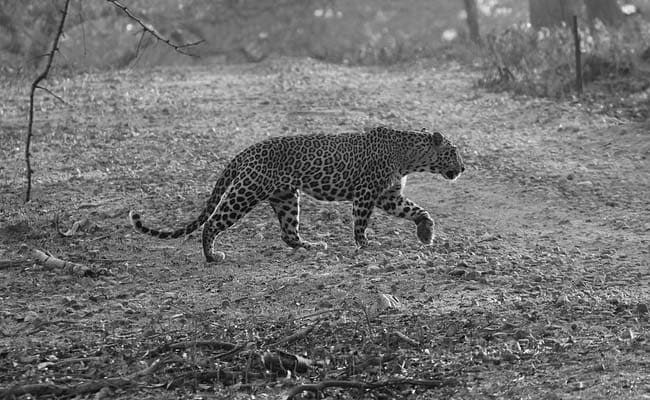
Two killed in Uttarakhand leopard attacks, human wildlife conflict rises
Two separate leopard attacks in Uttarakhand have claimed the lives of a five year old boy and a 60 year old woman , spreading fear across hill villages and once again highlighting the growing man animal conflict in the state. What were once routine daily activities, playing outside the house or collecting fodder from nearby forests, have now turned into life threatening risks for residents living close to wildlife zones.
The first tragedy unfolded in Sindravani village of Rudraprayag district on Tuesday afternoon. Daksh Bisht, just five, was playing in the courtyard of his home when a leopard suddenly entered the area, snatched him, and disappeared into the nearby forest before his family could react. Shocked relatives and neighbours alerted authorities as panic swept through the village.
Teams from the district administration and the forest department launched a search operation. Rudraprayag Sub Divisional Magistrate Sohan Singh Saini said seven teams carried out a continuous search , and the child’s mutilated body was recovered around 11 pm. “In view of the potential threat, cages will be installed and patrols intensified ,” he said. As a precaution, the administration declared a two day holiday in eight schools to ensure children’s safety.
Even as the district mourned, another fatal attack was reported from the Juna Estate area of Bhimtal in Nainital district. Sixty year old Ganga Devi had gone into the forest to collect fodder for her cattle, a daily chore for many villagers. When she did not return till late evening, locals began searching. Her body was found deep inside the forest the next morning with clear signs of a leopard attack.
Residents say leopard sightings have become frequent and allege that warnings to authorities went unheard. “We have been noticing leopard movement for weeks. No concrete steps were taken,” a villager said, demanding immediate action and traps in the area.
Forest Range Officer Vijay Bhatt said teams rushed to the spot as soon as information was received and that patrolling has been stepped up . Cages are being placed at strategic points to trap the animal. However, officials confirmed that the leopards involved have not yet been caught .
While cages are a common method used by the forest department, wildlife experts note that success is uncertain. Leopards are cautious predators and may avoid traps, meaning capture can take time. Often, constant monitoring, night patrols, and restricting human movement near forest edges prove more effective than cages alone.
The back to back deaths underline a deeper concern. With shrinking forests and expanding settlements, wildlife is moving closer to homes, increasing dangerous encounters. For many families in Uttarakhand’s hills, daily life is now shadowed by fear, a stark reminder that the line between forest and village is fading fast.