
Twin Gun Attacks In Central America’s Honduras Leave 25 Dead, Six Officers Killed
Honduras was plunged into fresh turmoil after twin gun attacks along its northern coast left at least 25 people dead , including six police officers , in one of the country’s deadliest days of violence in recent months. The coordinated attacks have once again exposed the fragile security situation in the Central American nation, where organised crime, gang warfare and land conflicts continue to fuel bloodshed despite years of military crackdowns.
The deadliest assault took place at a plantation in Trujillo , a region long troubled by agrarian disputes and battles over land ownership. According to prosecutors, heavily armed gunmen stormed the plantation and opened fire on workers, killing at least 19 people . Authorities initially struggled to confirm the exact death toll as frightened relatives removed bodies from the site before forensic teams arrived. Security officials later deployed investigators, prosecutors and military personnel to secure the area and gather evidence.
The violence in Trujillo has drawn renewed attention to the dangerous environment faced by environmental and land rights activists in Honduras . Human rights groups have repeatedly warned about threats, intimidation and killings linked to disputes over natural resources in the region. The 2024 murder of environmental activist Juan López had already intensified global concern, with three suspects recently arrested in connection with the killing. According to advocacy group Global Witness , Honduras remains one of the world’s most dangerous countries for environmental defenders.
Hours later, another deadly attack unfolded in Omoa , near the Guatemalan border, where gunmen ambushed police officers travelling on an anti gang mission from the capital, Tegucigalpa . The attack killed six officers , including a senior commander, in what officials described as a direct strike against security forces.
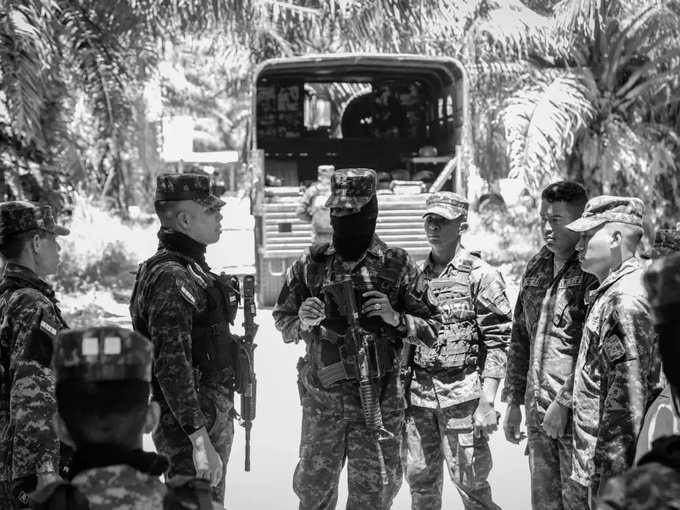
The Honduran government has launched large scale operations in both regions, with the Security Ministry promising full investigations and stronger deployments of police and armed forces. Despite a drop in homicide rates compared to the country’s violent peak in 2011, Honduras continues to battle powerful gangs, drug trafficking networks and widespread impunity. Human rights organisations have also criticised the country’s militarised security policies, warning that aggressive anti crime operations have often been accompanied by allegations of torture, forced disappearances and extrajudicial killings.