
Turbulence, Not Airline Failure? Experts Push Back Against Air India Blame
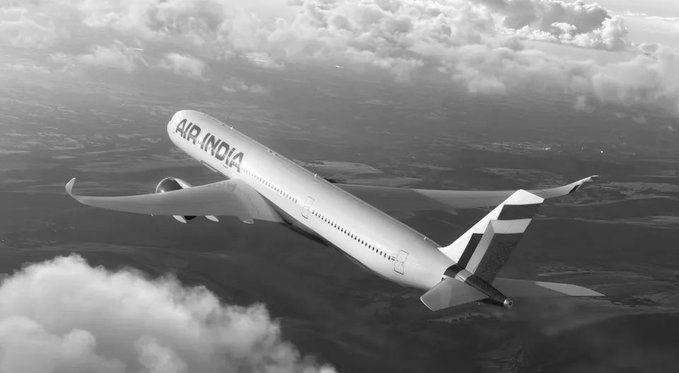
An Air India flight from Phuket that encountered severe turbulence, leaving 17 passengers injured, has triggered widespread criticism on social media, with several users blaming the airline despite experts cautioning against drawing conclusions without an investigation.
Videos of the incident quickly circulated online, prompting calls to boycott Air India and accusations over its safety standards, aircraft quality, pilots and management. Some users claimed the airline was safer when it was government-owned, while others alleged poor maintenance and questioned the competence of its crew. The online backlash adds to the reputational pressure facing Air India, which has already faced intense scrutiny following several aviation incidents, including the fatal Ahmedabad crash last year. Experts say unverified claims can further undermine passenger confidence and create perceptions of systemic safety problems even when no such link has been established.
Aviation scientist Venu Ganapuram explained that turbulence is a weather phenomenon caused by dynamic air movements and differences in air pressure. While pilots receive weather information before flights and can alter routes around severe storms, turbulence can develop suddenly and cannot always be predicted or avoided. Clear-air turbulence poses an additional challenge because it may not be visible on conventional weather radar. Pilots can take measures to maintain aircraft stability, but sudden atmospheric changes can leave limited opportunity for advance warning.
The incident has also highlighted the importance of passenger seat-belt compliance. Digital creator Ansh Mehra noted that passengers frequently ignore seat-belt signs, increasing the risk of injury when unexpected turbulence occurs.
Former Air Marshal Sanjeev Kapoor similarly stressed that passengers not wearing seat belts are often among those most seriously injured during turbulence and urged travellers to follow instructions from pilots and cabin crew. While regulators can examine whether weather information, crew response and safety procedures were adequate, experts cautioned against treating social-media speculation as an established fact.
For Air India, the episode demonstrates how misinformation can amplify reputational damage, particularly as the airline works to rebuild passenger confidence. The incident underscores the need for accurate information, regulatory scrutiny and greater passenger awareness rather than assumptions about airline responsibility.