
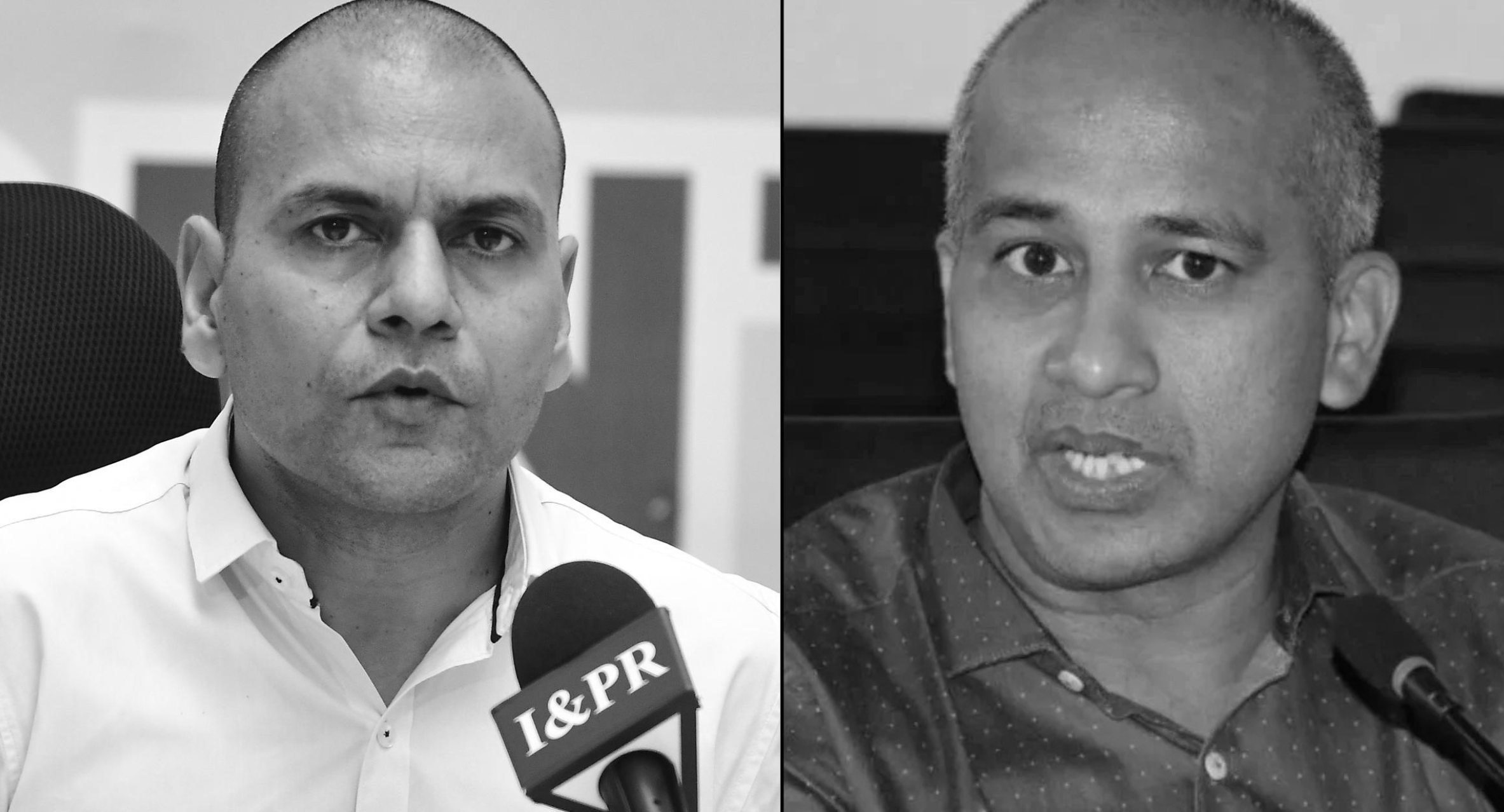
TTD EO Anil Kumar Singhal Transferred After SIT Files Chargesheet in Ghee Case
Amid the politically sensitive Tirumala laddu ghee controversy, the Andhra Pradesh government has transferred IAS officer Anil Kumar Singhal from his post as Executive Officer of the Tirumala Tirupati Devasthanams (TTD) and directed him to report to the General Administration Department, a move that came within days of the Special Investigation Team (SIT) filing a chargesheet related to alleged irregularities in ghee procurement. Special Chief Secretary Muddada Ravichandra has been given additional charge as EO, while interim administrative arrangements continue until he assumes office. The timing of the transfer has drawn intense political attention because it coincides with key investigative findings and escalating exchanges between the ruling Telugu Desam Party (TDP) -led alliance and the opposition YSR Congress Party (YSRCP) .
The controversy centres on the purity and sourcing of ghee used in the sacred Tirupati laddu prasadam. According to the SIT–CBI chargesheet, laboratory analysis described the supplied material as synthetic ghee , largely composed of vegetable oils such as palm, palm kernel, and coconut oil, with low milk-fat content and no conclusive detection of animal fats like tallow or lard. These technical findings have become a focal point of debate, as earlier NDDB-linked lab observations cited by some political leaders had suggested the possibility of animal-fat adulteration. While investigators have emphasised the absence of definitive evidence for animal fats, they have also underlined that the product did not meet standards expected of pure dairy ghee, thereby raising serious food-quality and procurement concerns.
A major aspect of the probe involves changes to tender norms. Investigators noted that, around 2019, a committee including external dairy experts was formed with administrative approval to review ghee procurement conditions, leading to a TTD Board resolution in February 2020 that relaxed certain eligibility criteria. The SIT indicated that these relaxations may have enabled private or newly established dairies with limited experience or without direct milk procurement capacity to secure supply contracts, while cooperative dairies reportedly lost opportunities. Such procedural changes are being examined as possible systemic weaknesses that could have affected quality control mechanisms rather than being confined to a single supplier issue.
Politically, the issue has intensified into a broader confrontation. State Finance Minister Payyavula Keshav and Chief Minister N. Chandrababu Naidu have referred to earlier lab inputs while alleging that adulteration began after 2019, whereas opposition leaders argue that the SIT’s final forensic framing is being selectively interpreted and that the matter is being politicised. With Tirumala being one of the most revered religious institutions in India, any question related to prasadam purity carries emotional and cultural weight, amplifying public scrutiny.
Administratively, transferring an officer to the GAD is often a step taken to detach ongoing inquiries from day-to-day institutional management, but in this case it has also acquired symbolic significance. The episode highlights larger concerns about procurement governance, laboratory evidence interpretation, and the intersection of religious administration with political narratives. As investigations continue, the case is expected to influence not only legal proceedings and departmental accountability but also the political discourse in Andhra Pradesh, where temple management and public trust remain deeply intertwined.