
Try, Try, But Don’t Try, Trump! Nobel Peace Prize Goes To Indian-Origin South African Jurist Navi Pillay
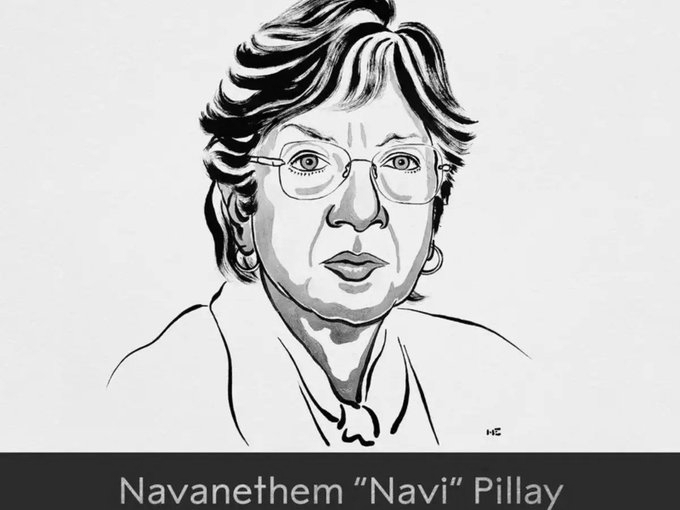
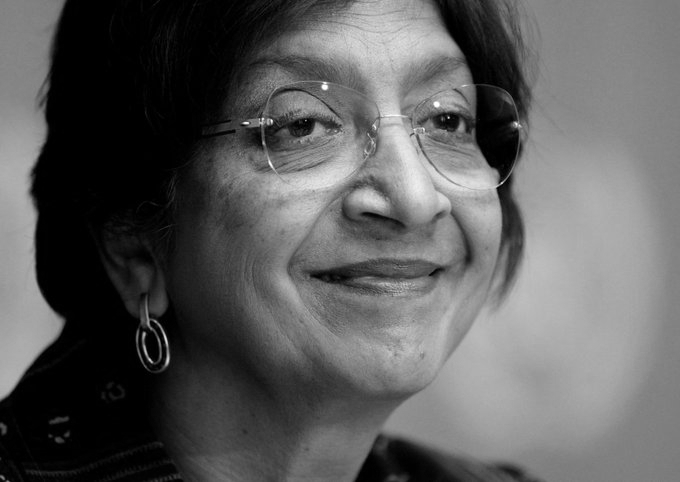
Try, try, but don’t try, Trump! South African jurist of Indian origin Navanethem “Navi” Pillay won the 2026 Nobel Peace Prize on Friday for her contributions to human rights, international justice and the rule of law. Adding humour to the announcement, Pillay joked about sharing the award with US President Donald Trump.
“If you clap a little bit more, I may share this prize with Trump,” Pillay reportedly told an audience at a legal conference in Nuremberg, Germany, after learning about her win. The remark drew laughter and attention amid Trump’s repeated expressions of interest in receiving the prestigious honour.
Born in Durban on September 23, 1941, to parents of Indian Tamil origin, Pillay grew up under South Africa’s apartheid system, which enforced racial segregation and discrimination against the Black majority. She studied at the University of Natal before earning postgraduate law degrees from Harvard University.
Her legal career began with defending people targeted by the apartheid government. In 1967, she became the first woman to establish a law practice in South Africa’s Natal Province, representing political activists and detainees. She challenged abuses in detention, including torture, and fought for prisoners’ rights. In 1973, she successfully argued for political prisoners to have access to legal counsel.
Following the end of apartheid, Pillay became the first Black woman to serve as a judge on South Africa’s High Court. She also helped advance women’s rights and co-founded Equality Now, an international organisation working to protect women and girls from discrimination, violence and harmful practices.
In 1995, she joined the International Criminal Tribunal for Rwanda, later becoming its president. Her judicial work included the landmark Jean-Paul Akayesu case, which helped establish that rape and sexual violence can constitute acts of genocide when the legal requirements are met. The tribunal’s work also strengthened accountability for incitement to genocide and crimes committed during the 1994 massacre.
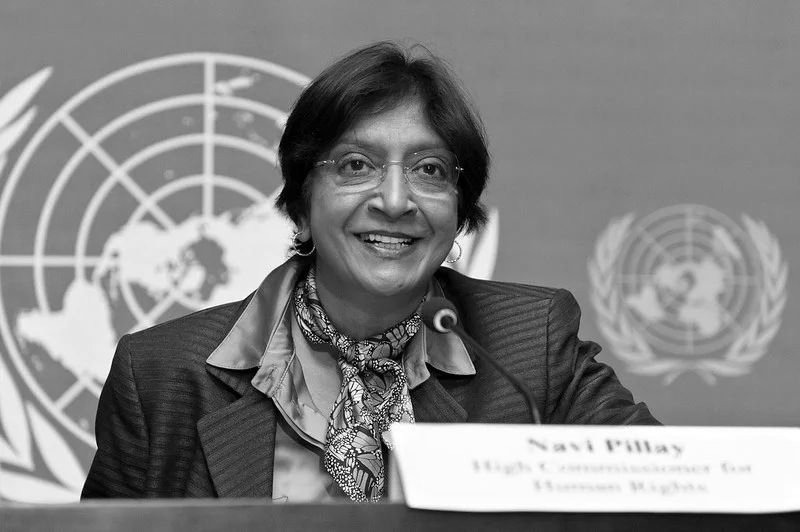
Pillay subsequently served as a judge at the International Criminal Court and as United Nations High Commissioner for Human Rights from 2008 to 2014. During her tenure, she pressed for investigations into serious abuses and urged governments to uphold international human rights obligations.
In 2025, a UN Commission of Inquiry chaired by Pillay concluded that Israel had committed genocide against Palestinians in Gaza. The Nobel Committee recognised Pillay’s wider contribution to peace and international law. Her career spans the struggle against apartheid, landmark developments in international criminal justice and decades of human rights advocacy.
The award also highlights the global achievements of people of Indian origin. Although her family has Tamil roots, Pillay is South African. The Nobel Peace Prize ceremony is scheduled for December 10 in Oslo.