
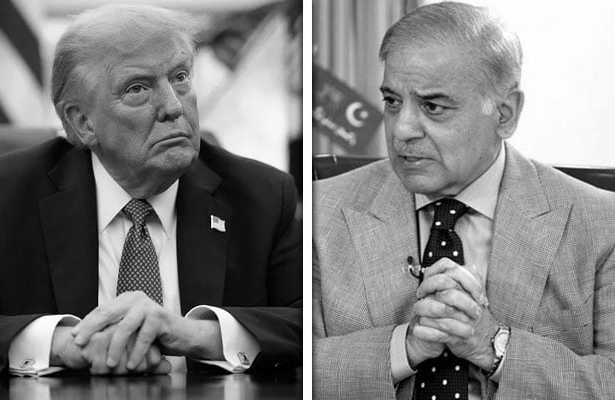
Trump–Sharif meeting signals strengthening of global tech and security shifts
In a notable development on September 25, 2025, U.S. President Donald Trump met with Pakistan’s Prime Minister Shehbaz Sharif during the United Nations General Assembly sessions in New York. The brief interaction, lasting approximately 36 seconds, was part of a broader diplomatic engagement that included discussions with leaders from several Islamic nations. While the meeting was characterized as routine, it underscores a potential shift in U.S.–Pakistan relations. Pakistan’s Foreign Minister Ishaq Dar accompanied Sharif, indicating the significance of the talks.
The White House has not confirmed the signing of a formal defense agreement during this meeting. However, reports suggest that security cooperation and bilateral ties were key topics of discussion, with the possibility of future agreements being explored. This engagement follows a recent trade deal between the two nations, highlighting a warming of ties after years of strained relations.
TikTok Deal: U.S. Investors Gain Majority Control
In a parallel development, President Trump is set to sign an executive order finalizing a deal that will restructure TikTok’s U.S. operations. The agreement stipulates that a consortium of American investors, including Oracle and Silver Lake, will acquire an 80% stake in TikTok’s U.S. business, with ByteDance retaining less than 20%. Oracle will oversee the platform’s data and algorithm, ensuring compliance with U.S. national security standards. This restructuring aims to address concerns over data security and foreign influence, aligning with the 2024 Protecting Americans from Foreign Adversary Controlled Applications Act, which mandates divestiture of foreign-controlled apps unless they meet specific criteria.
Implications for India and regional dynamics
The strengthening of U.S.– Pakistan relations and the restructuring of TikTok’s U.S. operations have potential implications for India. India has had a contentious relationship with Pakistan, marked by incidents such as the Pahalgam attack in April 2025, which led to India’s Operation Sindoor in May 2025. These developments may influence India’s diplomatic and security strategies, particularly concerning regional stability and counterterrorism efforts.
Additionally, the U.S. approach to TikTok could prompt India to reassess its own stance on the platform. TikTok has been banned in India since 2020 due to data security concerns. Observing the U.S. model, where stringent data governance measures are implemented, India may consider revisiting its ban if similar safeguards are established.
The recent U.S.– Pakistan meeting and the impending TikTok deal signify notable shifts in international relations and technology governance. While the full impact on India remains to be seen, these developments highlight the interconnectedness of global diplomatic, security, and technological landscapes. India will likely continue to monitor these changes closely, assessing their implications for national interests and regional stability.