
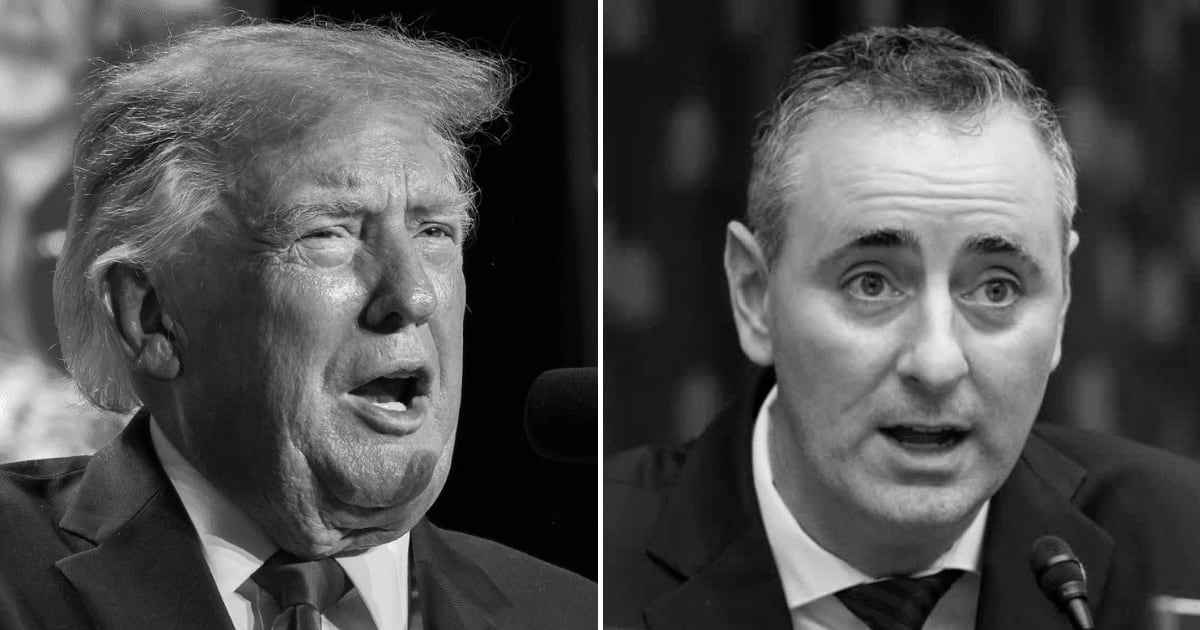
Trump’s Russia Deal Faces Republican Pushback as Lawmakers Plan Blocking Bill
A Republican lawmaker has moved to challenge US President Donald Trump’s decision to allow Russian diesel imports, exposing fresh divisions within his party over Washington’s policy towards Moscow and the war in Ukraine.
Representative Brian Fitzpatrick of Pennsylvania has announced plans to introduce the bipartisan Ronald Reagan Peace Through Strength Act, aimed at blocking purchases of Russian oil. Fellow Republican Don Bacon of Nebraska has agreed to co-sponsor the proposed legislation, which Fitzpatrick says he intends to bring to the House floor through a discharge petition.
The proposal comes after Trump announced an agreement with Russian President Vladimir Putin on October 9 for Russia to supply more than 300,000 tonnes of diesel immediately to the US and global markets. Additional shipments are planned in the coming months as Washington seeks to ease fuel-price pressures.
However, the announcement has triggered criticism from lawmakers who argue that easing restrictions on Russian energy could provide Moscow with additional revenue to sustain its war against Ukraine.
The proposed bill follows the passage of the Lindsey O. Graham Sanctioning Russia and Iran Act of 2026, which Trump signed into law on September 18. The legislation strengthened measures targeting Russia and authorised the administration to impose steep tariffs on countries meeting specified conditions linked to Russian energy purchases.
Democratic Senator Jeanne Shaheen has questioned whether the administration followed the required consultation and review procedures. Senator Richard Blumenthal, a co-author of the sanctions legislation, has also criticised the diesel agreement.
Republican Congressman Michael McCaul expressed concern that relaxing restrictions could help finance the Kremlin’s war effort, despite the administration’s objective of bringing down fuel prices.
Fitzpatrick has predicted overwhelming support for his proposal. However, its prospects remain uncertain, with the current House term approaching its January 2027 end and the November 3 midterm elections looming. A discharge petition would generally require 218 signatures to bypass the usual procedural obstacles and bring a measure to the floor.