
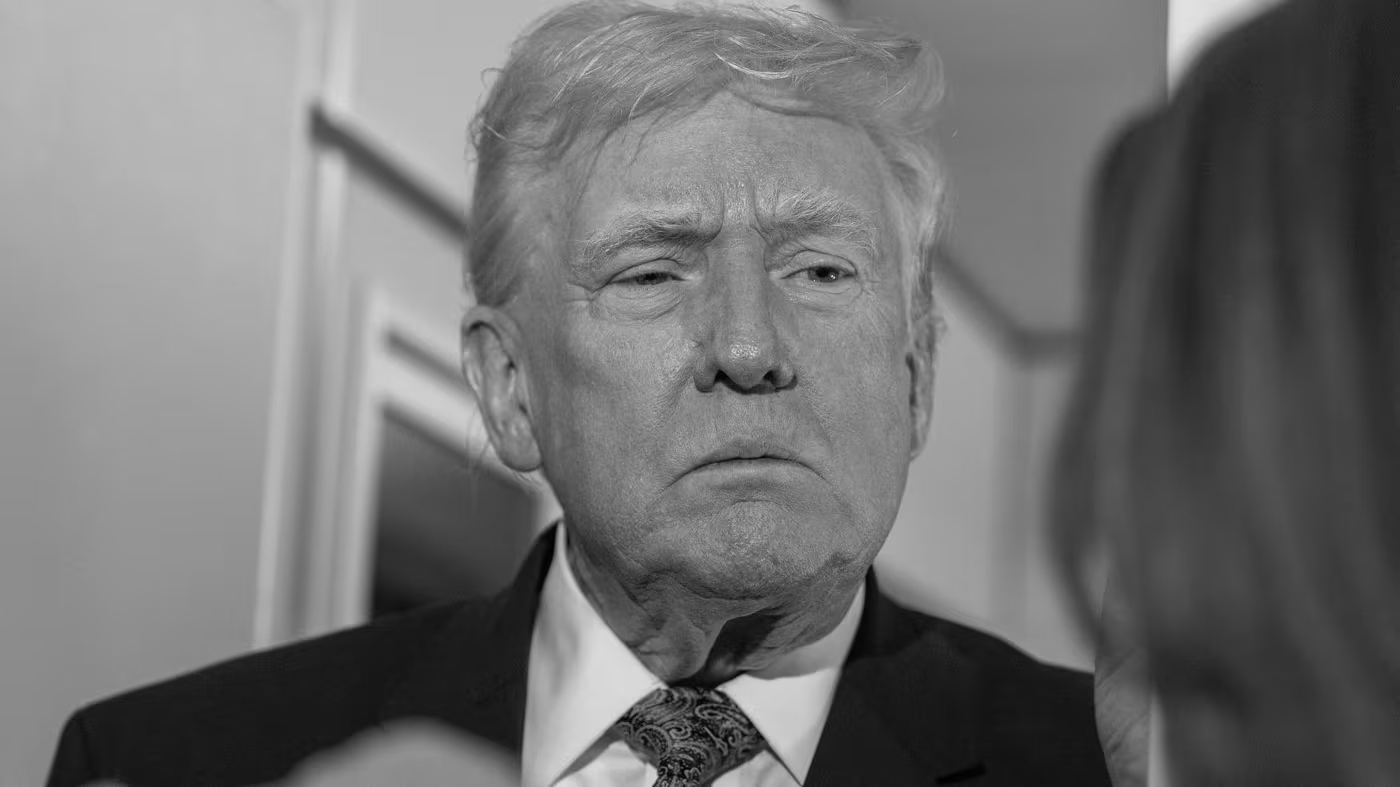
Trump’s preventive MRI shows heart and abdomen in perfect health: Doctor
President Donald Trump underwent Magnetic Resonance Imaging (MRI) of his heart and abdomen in October as part of a preventive health screening recommended for men in his age group, according to a memo released by the White House. The statement, issued by Trump’s physician Sean Barbabella, said the scans formed part of the President’s routine annual physical and were aimed at early detection of age-related medical risks.
Barbabella noted that the “advanced imaging” was standard for an executive physical and was intended to identify potential cardiovascular or abdominal issues before symptoms appeared. He added that the results of the MRI were “perfectly normal,” confirming overall organ health. The reference to “supporting long-term monitoring of the President’s fitness” does not imply any current health issues; rather, it reflects standard preventive care practices to ensure ongoing health and early detection of potential problems over time.
However, the disclosure came after several days of speculation regarding the purpose and scope of the test. Although Trump and the White House had previously acknowledged that he underwent an MRI as part of his physical examination, officials initially declined to specify which organs were scanned during the October visit to the Walter Reed National Military Medical Center. The lack of clarity fuelled questions, particularly given Trump’s age and the heightened public scrutiny surrounding the health of national leaders.
Confusion increased further when Trump told reporters on Sunday that he had “no idea” which part of his body had been scanned. “It was just an MRI,” he said, adding jokingly, “It wasn’t the brain because I took a cognitive test, and I aced it.” His remarks, viewed as unusually casual for a discussion on medical testing, intensified media and public interest and prompted renewed demands for transparency.
The White House ultimately released Barbabella’s memo, with Press Secretary Karoline Leavitt stating that it provided “quite a bit of detail,” reiterating that the imaging was purely preventive and part of the President’s routine physical examination.