
Trump’s department of government efficiency quietly disbanded months before mandate ends
The Trump administration has quietly dissolved the Department of Government Efficiency (DOGE), an agency created with major fanfare at the start of President Donald Trump’s second term and originally mandated to operate until July 2026. Instead, the department has ceased to exist with eight months still remaining in its term. Office of Personnel Management (OPM) Director Scott Kupor confirmed its end, stating simply, “That doesn’t exist,” and noting that DOGE’s responsibilities have now been absorbed by the OPM.
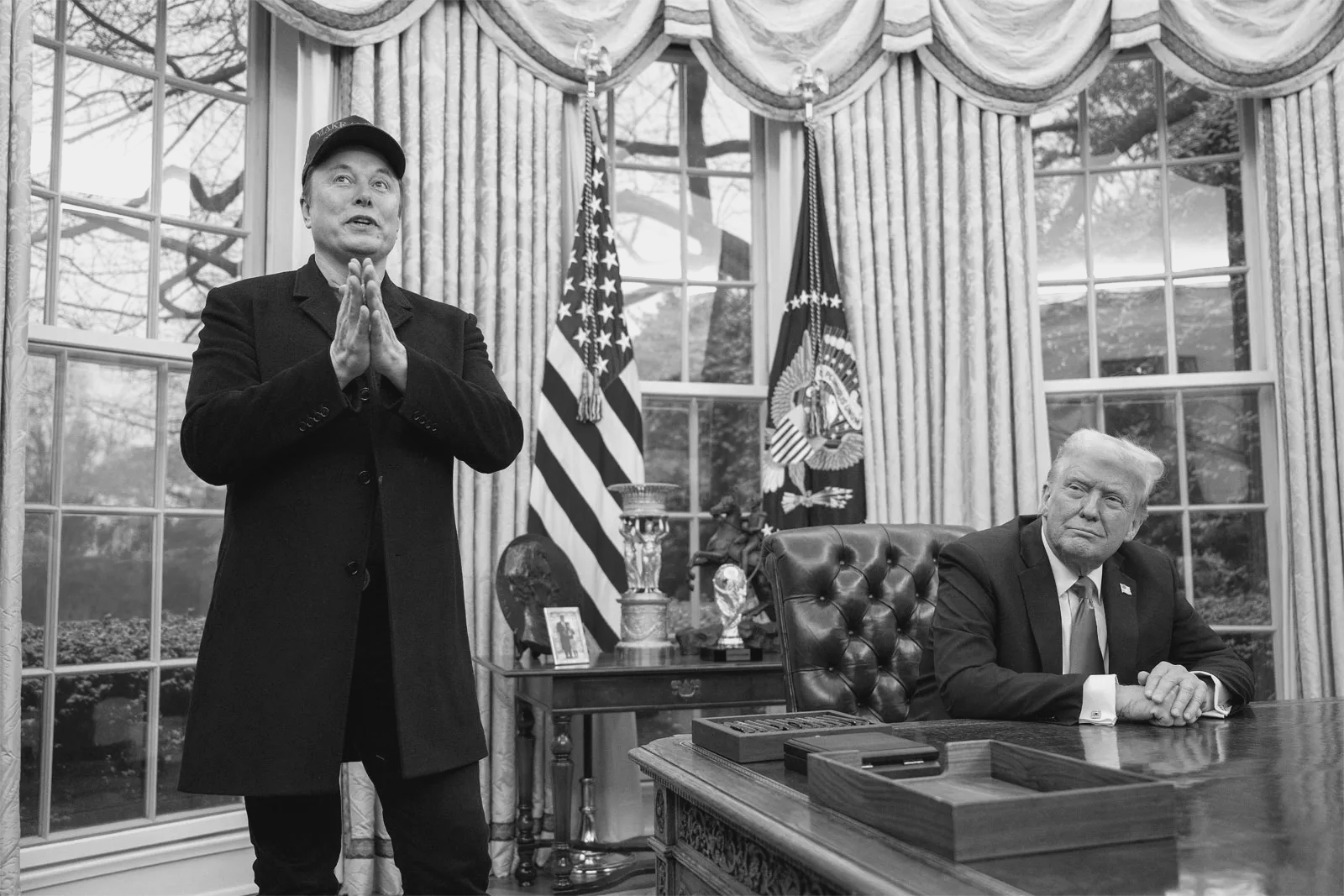
Launched as a forceful initiative to slash budgets, reduce federal staff, eliminate regulations and redirect government programs toward Trump’s priorities, DOGE initially operated under the high-profile leadership of billionaire Elon Musk. The department claimed large savings and frequently showcased its work publicly, though it never released transparent accounting to verify its financial impact. Over recent months, Trump began referring to DOGE in the past tense, and key officials, including Acting Administrator Amy Gleason, shifted quietly into new roles, signaling the agency’s gradual fading from public view.
Several factors contributed to DOGE’s shutdown, including the lack of verifiable savings, internal concerns over oversight, friction with federal agencies, and the political fallout from Trump’s public clash with Musk. Leadership turnover further weakened the department, and officials ultimately determined that OPM and other existing bodies could carry out its remaining tasks more efficiently.
The administration kept the closure quiet to avoid undermining Trump’s core promise to cut government waste, to prevent scrutiny of DOGE’s unconfirmed claims and controversial early actions, and to sidestep potential legal review since the executive order establishing the department still formally remains in effect. Quietly absorbing DOGE into existing agencies allowed the administration to move on without public backlash.
Despite DOGE’s dissolution, many of its former staff now hold influential positions across the government. Joe Gebbia leads the National Design Studio, Zachary Terrell serves as Chief Technology Officer at Health and Human Services, Rachel Riley heads the Office of Naval Research, and Jeremy Lewin oversees foreign assistance at the State Department. Meanwhile, former DOGE representative Scott Langmack is working on AI tools to identify federal regulations that could be eliminated.
The hiring freeze once promoted by DOGE has also ended, further signaling the rollback of its policies. Still, the White House maintains that Trump continues to pursue his mandate to reduce government inefficiency. The silent shutdown of DOGE marks a subdued end to what was once one of the administration’s most heavily promoted and controversial government-restructuring experiments.