
Trump’s covert push for Russia-Ukraine peace talks raises questions in Europe
The Trump administration has been quietly working on a fresh peace plan with Russia to end the war in Ukraine, a source familiar with the discussions told CNN, marking one of the most significant diplomatic pushes of Trump's presidency. Steve Witkoff, the president's special envoy and the central figure in Washington's back-channel talks with Moscow, has been leading the negotiations. The source said the pace of discussions increased this week as U.S. officials believe the Kremlin has shown new openness to a potential agreement.
The draft peace plan reportedly spans 28 points and includes major concessions. Ukraine would be asked to cede parts of the east, including Russian-controlled areas of Donetsk, Luhansk, and Crimea, while current front lines in regions such as Zaporizhzhia and Kherson would be frozen. The plan also proposes significant reductions in Ukraine’s armed forces, restrictions on long-range strike capabilities, and limits on the deployment of foreign or NATO troops. In return, the U.S. and European partners would provide NATO-style security guarantees to deter future Russian aggression. Additional provisions include granting the Russian language official status in Ukraine, recognizing the local branch of the Russian Orthodox Church, and establishing demilitarized zones in contested regions. Critics argue that the framework appears heavily weighted toward Russian demands, raising concerns about its acceptance in Kyiv and Europe.
In a parallel move, Army Secretary Dan Driscoll arrived in Ukraine on Wednesday with a senior Pentagon delegation “on a fact-finding mission to meet with Ukrainian officials and discuss efforts to end the war,” Army spokesperson Col. Dave Butler said. A U.S. official told CNN the trip was ordered by the president as part of the administration’s revived diplomatic push.
Driscoll was expected to brief President Volodymyr Zelensky and senior Ukrainian officials on battlefield realities, weapons needs, and the emerging diplomatic track. Ukrainian Defense Minister Denys Shmyhal confirmed his meeting with Driscoll, sharing a photo on Telegram and thanking the U.S. for support that “saves the lives of Ukrainians every day.” He said he presented Ukraine’s latest defense innovations and discussed next steps in implementing “the historic defense agreements reached by President Zelensky and President Trump.”
Though Driscoll has not been involved in previous rounds of talks, he is a close ally of Vice President JD Vance from their time at Yale Law School and has primarily worked on defense acquisitions. Senior officials traveling with him included Army Chief of Staff Gen. Randy George, Gen. Chris Donahue, the top U.S. Army commander in Europe, and Sergeant Major of the Army Michael Weimer.
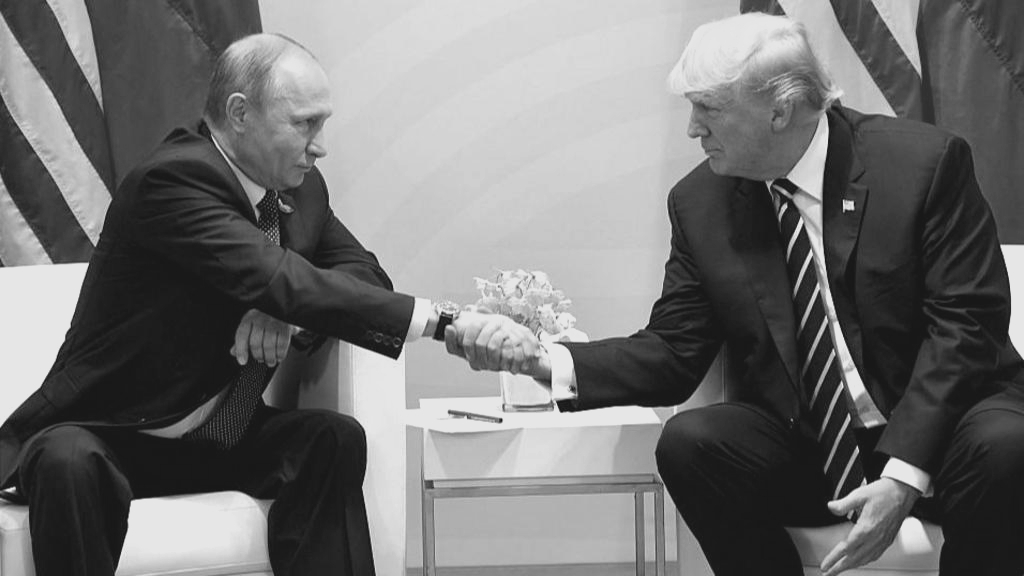
Russian officials confirmed high-level contacts are ongoing, telling CNN that U.S.–Russia engagement continues through Witkoff. Russian Special Envoy Kirill Dmitriev visited the U.S. in October for what a Russian source described as “very productive discussions.” When asked about the emerging framework, Kremlin spokesperson Dmitry Peskov downplayed reports, saying there were “no new developments to report,” beyond what was discussed at the August meeting between President Vladimir Putin and Trump in Alaska.
CNN reported that it remains unclear how deeply Europe or Ukraine are involved in the negotiations, or whether they would support the proposed framework.
The push for renewed dialogue comes as previous Trump administration attempts to broker a settlement collapsed after Putin failed to commit to concrete terms. “I thought that was going to be my easy one, because I have a good relationship with President Putin, but I'm a little disappointed in President Putin right now,” Trump said at a U.S.–Saudi investment conference on Wednesday. “He knows that.”
After Trump’s phone call with Putin last month, he believed there was enough progress to plan an in-person summit in Budapest. But within days, the meeting was canceled and new sanctions the first imposed under Trump’s second administration were introduced. U.S. officials told CNN the White House concluded that Putin’s position on ending the war had not meaningfully changed since their meeting at the U.S. air base in Alaska.
Earlier peace efforts had focused on freezing Russian and Ukrainian forces along present front lines, a plan backed by Europe and Ukraine as a basis for renewed talks. The Kremlin rejected that approach, insisting it wanted a long-term settlement rather than a temporary ceasefire.