
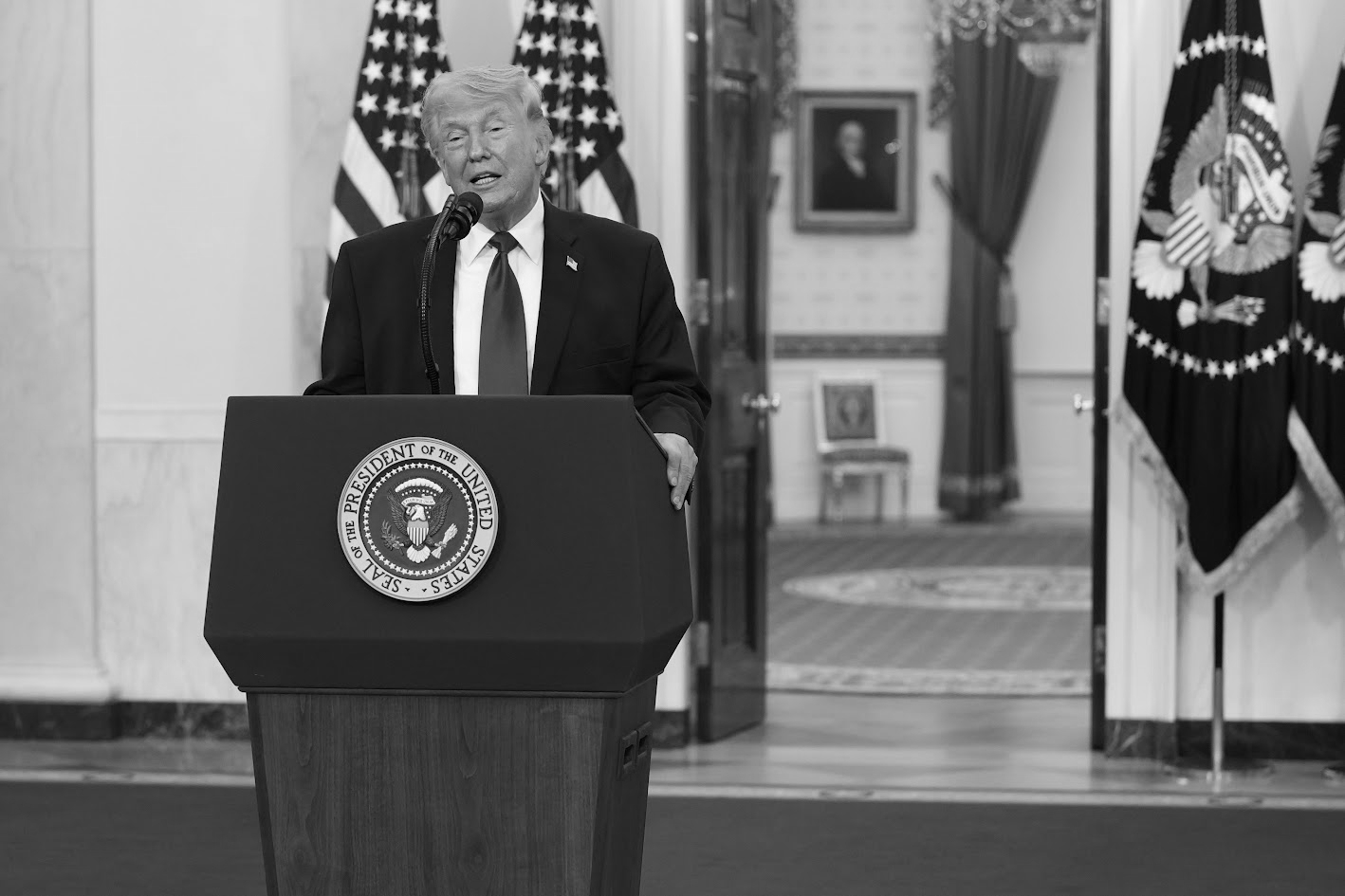
Trump’s address on the Iran war: Calling a bleeding situation “winning”
Thirty-two days into Operation Epic Fury , Donald Trump finally stood before the American people in a prime-time address and delivered roughly 19 minutes that felt, plainly, like a rerun. No major announcement. No exit plan. No peace deal. Just the same sentences, reassembled into a speech.
Before the war, Iran did not control the Strait of Hormuz ; now it holds decisive leverage over it, with countries increasingly approaching Tehran rather than the United States for arrangements to secure oil passage. Iranian oil was once tightly restricted under sanctions but the crisis has weakened that pressure. US bases across the Gulf , once strategic assets of American power projection, have become exposed liabilities. Inflation in the United States, which had been declining, is rising again as energy shocks spread through the economy.
This is the backdrop against which Trump stood Wednesday night and said things were going great.
Analysts had expected Trump to announce either an end to the war or an escalation in the conflict , such as ground operations inside Iran . Instead, the US president only gave the public and the media more of the same rhetoric.
The contradictions inside the speech itself were remarkable. He declared victory on regime change while simultaneously insisting he never wanted it, "We never said regime change, but regime change has occurred because of all of their original leaders' death - they're all dead." He also casually dropped, in a Reuters interview the same day, that he no longer cares about Iran's underground uranium stockpile , which was supposedly the entire point of the war.
Oil prices surged almost 4% as traders processed the speech as a signal that the war would not end quickly, with Brent crude spiking above $105 per barrel.The market, at least, is not confused about what it heard.
What is most striking watching this speech is not the bluster, that is expected, but the sheer unbothered quality of it all. A war that has closed the world's most important oil lane, killed 13 American service members , rattled NATO alliances , and reversed years of inflation progress was discussed with the casual confidence of someone describing a home renovation that's almost done. Inside the White House, top officials have privately acknowledged they cannot both achieve military objectives quickly and reopen the strait within the same timeline - yet none of that tension made it into the speech. The verdict from the Oval Office: "Very shortly. We're winning."