
Trump Was Ready To Strike Houthis After Saudi Plea. Why Did He Suddenly Back Off?
Saudi Arabia is facing a widening Houthi offensive after US President Donald Trump reportedly prepared strikes against the Iran-backed group at Riyadh's request before calling them off, while Türkiye has now offered to meet Saudi Arabia's military needs under its new defence pact with Pakistan. The developments come as the Houthis make territorial gains in Yemen, attack Saudi cities and infrastructure, and threaten key Red Sea shipping routes, raising the stakes of an already expanding war.
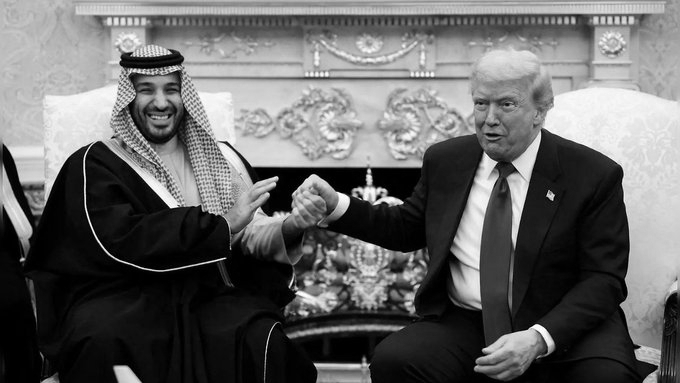
According to The New York Times, Trump spent days weighing whether to intervene directly in Yemen after Saudi Crown Prince Mohammed bin Salman sought US military assistance. Trump reportedly ordered the Pentagon to prepare for possible strikes, with target lists approved and bombs being loaded onto aircraft, before reversing the decision at the last moment.
The reported U-turn leaves Washington in a delicate position. The US has fought the Houthis previously but is already engaged in a wider confrontation with Iran. A new Yemen operation could expose American forces to retaliation and open another military front.
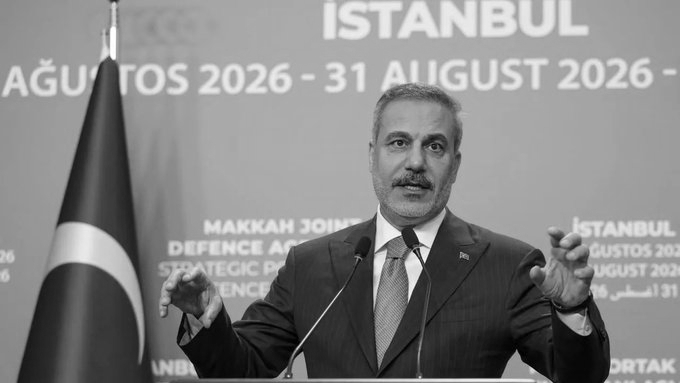
That is where Türkiye enters the picture. Turkish Foreign Minister Hakan Fidan said Ankara was ready to help meet Saudi Arabia's military and technical needs under the recently signed Mecca Joint Defence Agreement involving Saudi Arabia, Türkiye and Pakistan. The agreement says an armed attack on one member is regarded as an attack on all three.
But Türkiye has not announced that it is sending troops to Yemen. Publicly available details of the pact do not establish an automatic deployment mechanism, and Turkish officials have indicated that Riyadh has not requested combat forces.
Pakistan has also stopped short of announcing combat operations. Its military spokesman has said Islamabad's commitment to Saudi security is unconditional and that Pakistan would go "to any extent" to defend the kingdom, but there has been no announcement of Pakistani military action against the Houthis.
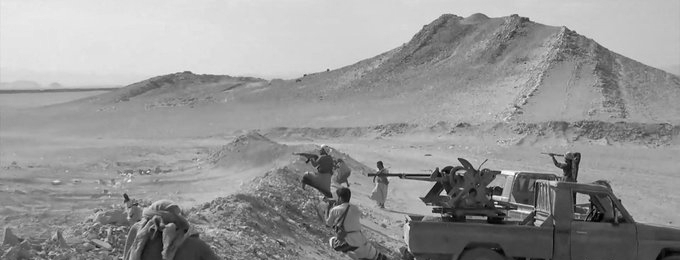
Meanwhile, the Houthis are pushing towards strategic highlands in Yemen and have been threatening Saudi territory and shipping. The wider confrontation with Iran is also intensifying. Reports have claimed that Tehran has activated its highest military readiness level, "Code 100".
At the same time, Washington has denied visas to some members of Iranian President Masoud Pezeshkian's UN delegation, including his communications team. Iranian state media described the move as an "unprecedented hostile" action. Pezeshkian is still expected to address the UN General Assembly on Wednesday, while Foreign Minister Abbas Araghchi has travelled via Qatar amid mediation efforts.
Iran has also conveyed conditions through Qatar for reopening the Strait of Hormuz, adding another major pressure point to the confrontation.