
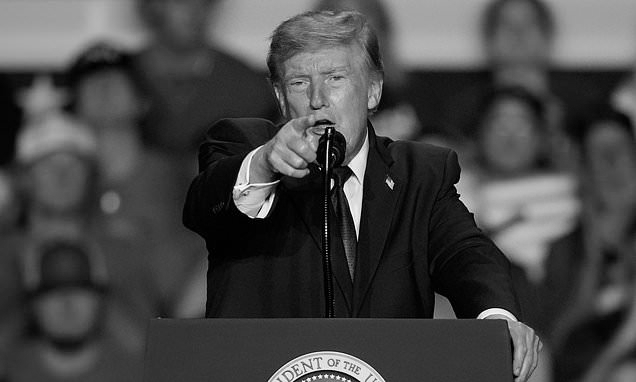
Trump Vows $90 Medicare Checks For 20 Million Seniors Ahead Of Midterms
US President Donald Trump has announced one-time $90 payments for more than 20 million Medicare beneficiaries to help offset the cost of their Medicare Part B premiums, with the payments due weeks before the November 3 midterm elections.
“I am pleased to announce that my Administration will, immediately, begin sending ‘Checks’ of nearly $100 to over 20 MILLION wonderful Seniors to help pay for their Medicare Part B premiums,” Trump wrote on Truth Social.
The money will come from the Medicare Improvement Fund, which was established by Congress in 2008 to finance improvements to the Medicare fee-for-service programme. The fund currently has about $2 billion, according to the White House.
The Centers for Medicare & Medicaid Services said 20.8 million Americans are eligible for the rebate. They must be enrolled in Original Medicare Part B, live in the US, and not receive premium assistance through Medicaid or pay an Income-Related Monthly Adjustment Amount. Medicare Advantage enrollees are not eligible.
Most eligible beneficiaries are expected to receive a $90 direct deposit around October 8, followed by an email or letter. Those without direct deposit will receive a paper check from the US Treasury later in October. CMS said the rebate is a one-time payment intended to offset the October Part B premium.
The standard Medicare Part B premium is $202.90 per month, meaning the payment covers less than half of one month’s premium.
The announcement comes shortly before the November 3 midterms, when control of Congress will be contested. It is also the latest in a series of financial measures announced by the Trump administration. The government has separately begun sending $500 Affordable Care Act-related payments to nearly 1 million Americans, while Trump has proposed a much larger $5,000 payment for adults if Republicans retain control of Congress.
The White House says this is the first time the Medicare Improvement Fund has been used to make direct payments to beneficiaries. CMS said Congress had previously withdrawn money from the fund on multiple occasions to offset other spending.