
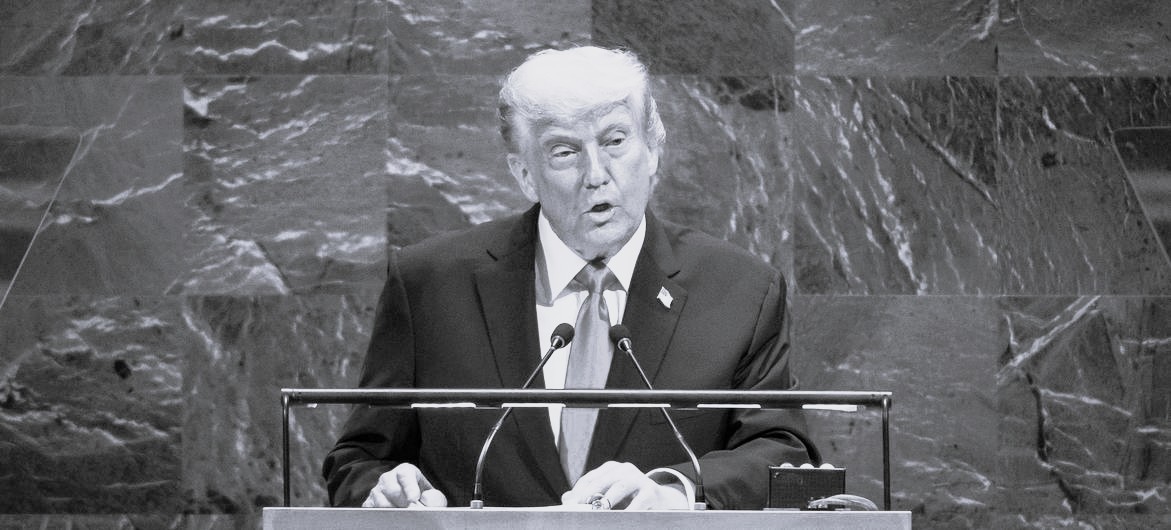
Trump vows 100% tariff on foreign made films
U.S. President Donald Trump has announced a 100% tariff on films produced outside the United States, claiming that the American movie industry has been “stolen” by foreign competitors. According to Trump, countries offering tax incentives, lower production costs, and subsidies have lured projects away from Hollywood, causing domestic job losses and weakening the U.S. film industry. He has framed the move as a way to bring back American filmmaking and protect jobs for actors, crew members, and technicians. At this stage, Trump has not provided an exact timeline for when the tariff would take effect, and trade experts warn that enforcement could face months of legal and diplomatic hurdles.
One of the major challenges is defining what constitutes a “U.S.-made” film. Modern filmmaking is highly globalized: actors often come from multiple countries, scenes are filmed across several continents, and post-production work frequently takes place abroad. Many Hollywood blockbusters and popular web series shoot significant portions of their content in the United Kingdom, Europe, and even Asia, making it extremely complex to determine whether a film qualifies for the tariff. Legal experts have also raised questions about whether movies can be classified as imports under trade law, as cultural and informational products may be exempt from such duties.
Hollywood has reacted with concern and confusion. Studios and producers warn that a 100% tariff could disrupt international collaborations, complicate co-productions, increase production costs, and make American films less competitive globally. Unions like the Teamsters, representing roughly 20,000 motion picture workers, support the proposal, hoping it will bring jobs back to the U.S. Ticket prices for foreign films could theoretically double if the tariff is passed on to consumers, while domestic films may remain largely unaffected. Streaming platforms such as Netflix and Amazon Prime may also face higher costs for international content, potentially raising subscription fees for U.S. viewers.
The announcement also has potential implications for India’s film industry. India, particularly Bollywood and regional cinema, exports a significant number of films to the U.S. market. While most Indian productions are shot domestically, with popular locations including Mumbai, Hyderabad, and Kerala, overseas screenings and streaming rights contribute substantially to revenue. The U.S. market accounts for roughly 10–15% of India’s total overseas box office revenue, with big-budget films, Telugu and Tamil productions, and crossover films relying heavily on U.S. viewership. A 100% tariff could reduce ticket sales and streaming revenue for Indian movies with international appeal, although the majority of production costs would remain unaffected since filming primarily occurs within India.
Trump’s tariff highlights the tension between economic protectionism and the globalized nature of modern filmmaking. While aimed at revitalizing domestic production and protecting U.S. jobs, the policy raises complex questions about enforcement, legal feasibility, and international trade. The ripple effects are already being felt worldwide, with Hollywood studios, foreign producers, and international markets expressing concern. For India, the main impact would be economic, potentially reducing revenue from U.S. screenings and streaming platforms. The announcement underscores how interconnected the global film industry is and illustrates the far-reaching consequences that protectionist policies in one country can have across continents.