
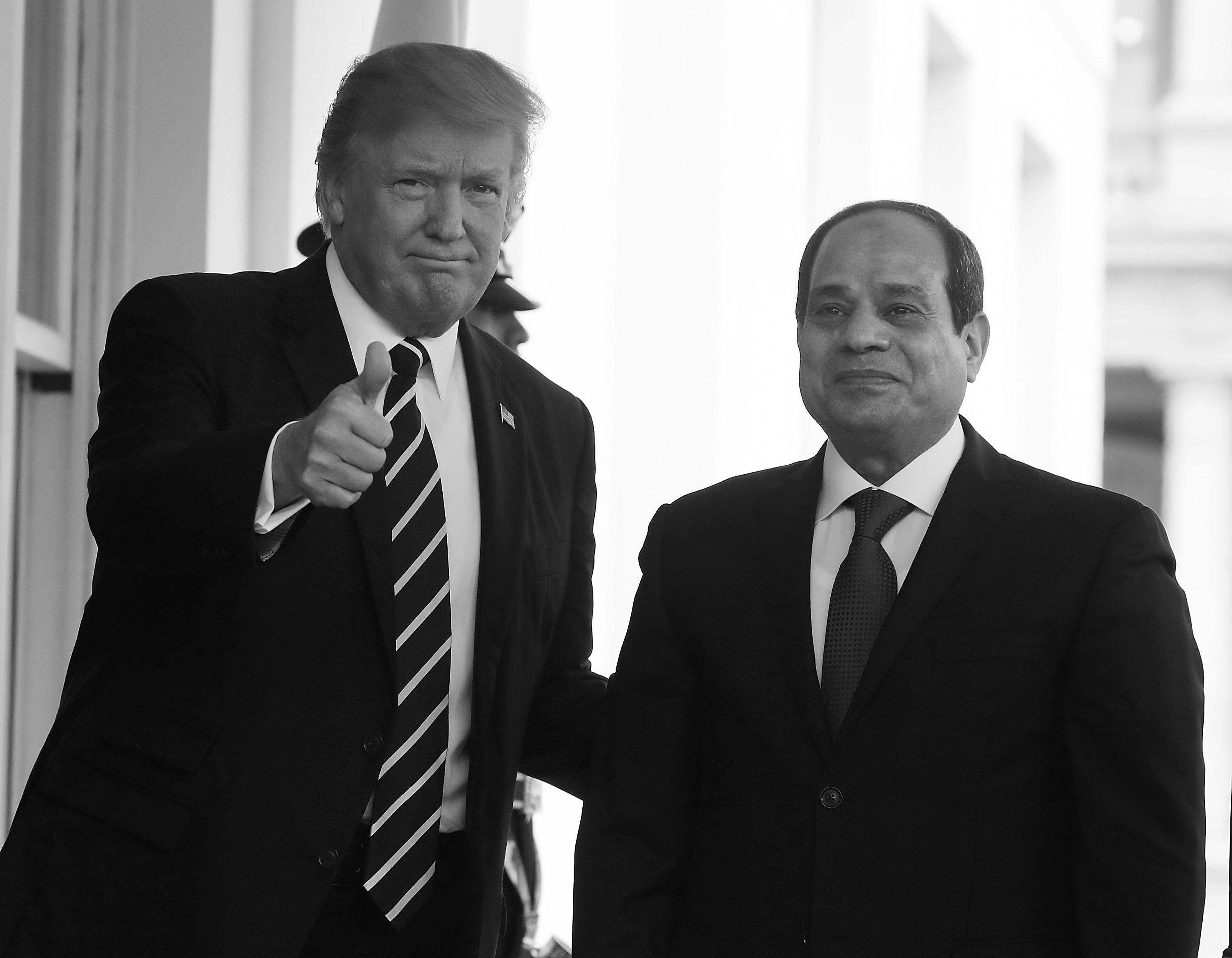
Trump to visit Israel and Egypt, to participate in signing ceremony of Gaza peace plan
U.S. President Donald Trump is scheduled to visit Israel and Egypt to participate in the signing ceremony of the Gaza Peace Plan, which will be finalized at a summit in Sharm el-Sheikh tomorrow. Co-chaired with Egyptian President Abdel Fattah el-Sisi, the summit aims to formalize a ceasefire between Israel and Hamas and establish a roadmap for humanitarian relief and reconstruction in Gaza, despite the notable absence of both Israel and Hamas from the talks.
The summit will gather over 20 world leaders, including UN Secretary-General António Guterres, UK Prime Minister Keir Starmer, French President Emmanuel Macron, and Spanish Prime Minister Pedro Sánchez. The United States has extended a formal invitation to India, which will be represented by Foreign Secretary Vinay Kwatra, highlighting New Delhi’s growing role in international diplomacy.
The conflict in Gaza over the past two years has resulted in over 67,000 Palestinian deaths and the displacement of more than 2 million people, creating one of the world’s most severe humanitarian crises. In the wake of the ceasefire, tens of thousands of Palestinians have begun returning to Gaza City, while aid convoys have resumed deliveries and rubble is being cleared from destroyed neighborhoods.
In preparation for maintaining peace, around 200 U.S. troops have landed in Israel to monitor compliance with the ceasefire, coordinate humanitarian efforts, and support regional security. At a press briefing, U.S. envoy Larry Witkoff confirmed that the “first phase of IDF withdrawal from Gaza has been completed” and emphasized that American forces are committed to ensuring the ceasefire holds. “The summit is not about recognition, it’s about reconstruction and stabilizing Gaza,” Witkoff said.
Despite the progress, tensions remain high. Hamas has warned that it is prepared to resume fighting if Israel violates the ceasefire, rejecting key elements of the U.S.-backed peace plan. Meanwhile, Arab nations, including Egypt, Saudi Arabia, Jordan, the UAE, Bahrain, and Qatar, have defended their cooperation with Israel and the U.S., citing shared concerns over Iran’s influence and regional security priorities.
The summit has also been marred by tragedy. Three Qatari diplomats were killed in a car crash near Sharm el-Sheikh while en route to the conference. Egyptian authorities are investigating the accident, and there is currently no evidence of foul play. The Qatari officials were part of the protocol and security teams assisting the summit.
Key elements of the peace plan to be discussed include the phased release of Israeli hostages held by Hamas, the freeing of nearly 2,000 Palestinian prisoners, and the reopening of the Rafah border crossing to facilitate humanitarian aid and reconstruction. Prior to the summit, Trump will also visit Israel to meet Prime Minister Benjamin Netanyahu and the families of recently freed hostages, emphasizing U.S. commitment to securing a stable ceasefire.
As the world watches, the Sharm el-Sheikh Summit represents a pivotal moment in Middle East diplomacy. With Arab nations cautiously backing U.S. initiatives, Palestinian families returning home, U.S. forces on the ground, and humanitarian aid resuming, hopes are high that this fragile ceasefire can evolve into lasting peace, even as the absence of Israel and Hamas underscores the challenges that remain.