
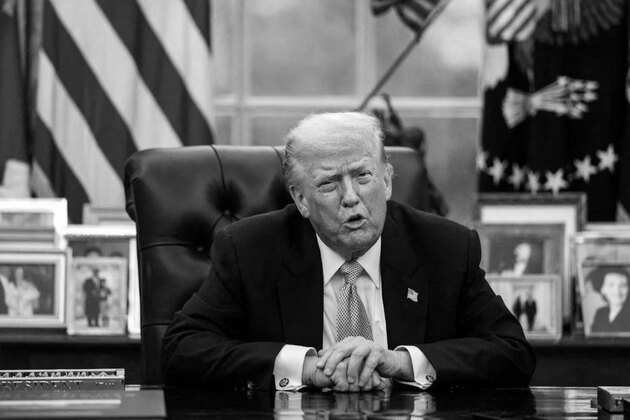
Trump Tariff Tantrums Continue: Coerces Cuba and Canada Now
US President Donald Trump has escalated his aggressive trade and foreign policy approach with two major moves this week, targeting Cuba and Canada.
On Thursday, Trump signed an executive order imposing tariffs on any country that sells or supplies oil to Cuba , signaling heightened economic and diplomatic pressure on nations trading with the island nation, particularly Mexico. Under the order, countries continuing oil shipments to Cuba could face tariffs on their exports to the United States, making their goods more expensive and less competitive in the world’s largest market. Experts warn this could disrupt trade, reduce foreign investment, and create financial market uncertainties for affected countries.
Mexico, a major oil supplier to Cuba, has responded cautiously. President Claudia Sheinbaum confirmed that Mexico has temporarily halted oil shipments, but stressed that it was a “sovereign decision” made independently, not under US pressure. Observers say the move reflects Mexico’s attempt to balance relations with both Cuba and the US while maintaining its foreign policy autonomy.
Trump’s executive order forms part of a broader US strategy to economically isolate Cuba . By threatening secondary sanctions on countries trading with the island, the US extends the impact of its Cuba policy beyond its borders, creating strong incentives for nations to reconsider commercial ties with Havana.
On the same day, Trump threatened Canada with a 50% tariff on aircraft sold in the United States , intensifying an ongoing trade dispute. The warning, issued via social media, followed Canada’s refusal to certify jets from Georgia-based Gulfstream Aerospace. Trump further threatened to decertify all Canadian aircraft, including Bombardier jets, if the issue was not “immediately corrected.”
Experts say escalating tariffs between major economies like the US, Canada, and Cuba can disrupt global supply chains, increase costs, and create market uncertainty. Industries such as aerospace, automotive, and technology are particularly vulnerable, as companies adjust production and trade flows to avoid tariffs. Rising tariffs can also drive countries to seek alternative suppliers, reshaping trade patterns and potentially slowing global economic growth.
Trump’s latest actions underscore his reliance on tariffs as a tool of leverage , combining traditional trade policy with direct public communication via social media. The approach highlights the growing intersection of economic coercion, diplomacy, and instant global messaging, forcing governments and markets alike to respond rapidly to US policy moves.